The Ultimate Empath Survival Guide: Dr. Judith Orloff’s Expert Strategies for Thriving
Understanding Empaths: Are You One?
Have you ever been around someone who is fearful or in a bad mood, and suddenly you feel the same way? You might be an empath. Dr. Judith Orloff, a psychiatrist, intuitive healer, and empath expert, joined Heal Squad with Maria Menounos to share how empaths can protect their energy and thrive in a world that often overwhelms them.
Dr. Orloff, a faculty member at UCLA’s psychiatric clinical team and a New York Times bestselling author, specializes in working with empaths and highly sensitive individuals. Her book, The Empath’s Survival Guide, provides practical tools for navigating life as an empath. In this conversation, she breaks down what it means to be an empath and how to manage energy vampires, toxic energy, and emotional overload.
What Is an Empath?
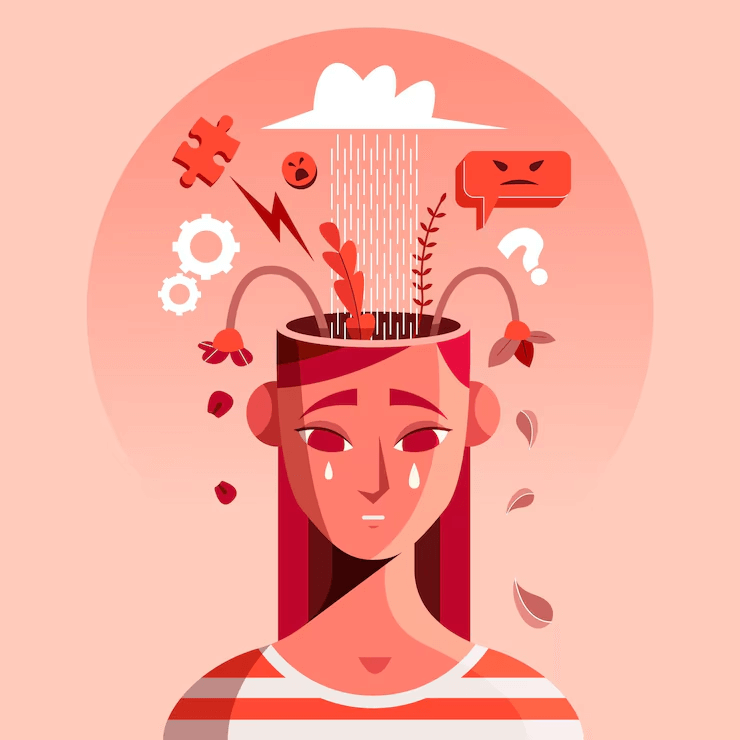
Empaths are emotional sponges who absorb the energy, emotions, and even physical symptoms of those around them. Unlike the average person, empaths lack ordinary energetic filters, making them more susceptible to the moods and pains of others. Many empaths go through life feeling drained, anxious, or overwhelmed, unaware that they are carrying energy that isn’t their own.
Dr. Orloff explains that sensitivity is often seen as a weakness, but in reality, it’s a superpower. “Being different is a gift, and we need to embrace our unique qualities instead of feeling shame,” she says.
Empathic children, in particular, often hear phrases like ‘You’re too sensitive’ or ‘Grow a thicker skin.’ These messages can make them feel like something is wrong with them, when in fact, they simply have heightened perceptive abilities.
Signs That You’re an Empath
According to Dr. Orloff, some key traits of an empath include:
- Feeling overwhelmed in crowds
- Absorbing other people’s emotions
- Extreme sensitivity to noise, light, and smells
- Feeling drained after social interactions
- Preferring solitude to recharge
- Being deeply connected to nature and animals
- Having strong intuition
She suggests that if you often feel exhausted after interactions or sense emotions that don’t seem to be your own, you may be an empath.
How to Protect Your Energy as an Empath
Dr. Orloff shares several practical strategies for managing energy and preventing emotional exhaustion:
1. Set Clear Boundaries
Empaths often struggle with saying no, leading to emotional burnout. Dr. Orloff emphasizes that “No is a complete sentence.” She recommends practicing setting small boundaries first—like telling a friend, “I can only chat for five minutes”—before moving on to bigger challenges, such as limiting time with toxic people.
2. Identify Energy Vampires
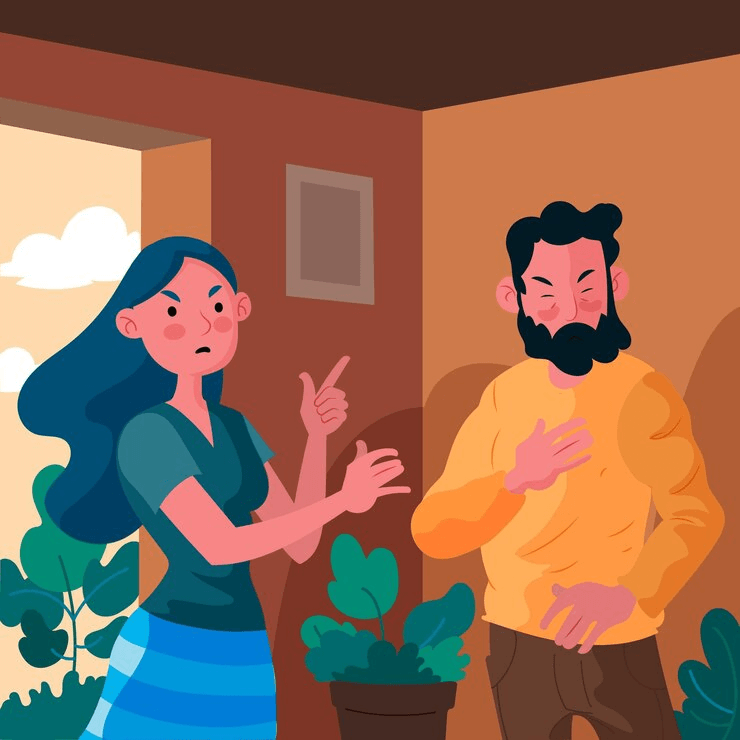
Energy vampires are individuals who drain your energy, whether through excessive complaining, neediness, or manipulation. Signs that you’re around an energy vampire include:
- Feeling suddenly exhausted or moody
- Becoming self-critical
- Reaching for comfort foods for an energy boost
If you can’t avoid them entirely, create an “energetic shield” by visualizing a protective barrier around yourself when interacting with them.
3. Honor Your Need for Alone Time
Empaths recharge best in solitude. Dr. Orloff advises carving out quiet time daily, whether through meditation, nature walks, or simply being in a calm environment. “Alone time is essential, not optional,” she stresses.
4. Use Movement and Water to Clear Energy
Taking baths, swimming, or even standing under a shower can help release absorbed energy. “Water has a cleansing effect on empaths,” Dr. Orloff explains.
5. Limit Overstimulation
Many empaths struggle in noisy, crowded places. If you have to be in such environments, take breaks, wear noise-canceling headphones, or plan shorter visits to manage sensory overload.
6. Listen to Your Body
Empaths often experience physical symptoms related to emotional energy they’ve absorbed. If you suddenly feel fatigued, anxious, or achy, check in with yourself: Is this mine, or am I picking up someone else’s emotions? If the latter, visualize the energy leaving your body.
Empaths in Relationships: Challenges & Solutions
Relationships can be complex for empaths, particularly if they are partnered with another empath. Dr. Orloff notes that empaths tend to deeply connect with others but must learn to balance their emotions. “Two empaths together can be like setting fire to hay—it can be too much,” she jokes.
Her relationship tips for empaths include:
- Creating space—sleeping in separate bedrooms part of the week if needed
- Avoiding energy overload by spending time apart to recharge
- Setting clear emotional boundaries
Why Empaths Are More Prone to Certain Illnesses
Dr. Orloff explains that empaths are more susceptible to certain illnesses due to their heightened sensitivity. Common empath-related conditions include:
- Chronic fatigue
- Anxiety and depression
- Autoimmune disorders like Hashimoto’s thyroiditis
- Migraines and body aches
Many of these illnesses stem from absorbing others’ stress. Learning to protect your energy is key to maintaining long-term health.
Embracing Your Empathic Nature
Empaths have unique gifts that allow them to experience deep connection, intuition, and healing abilities. However, without proper self-care, they can become exhausted and overwhelmed. Dr. Orloff’s expert strategies—from setting boundaries to recharging in nature—offer a powerful roadmap for empaths to thrive rather than just survive.
For more insights, tune into Dr. Orloff’s full interview on Heal Squad with Maria Menounos. And remember: sensitivity is not a weakness—it’s a superpower.
For more healing and wellness tips, be sure to subscribe to Heal Squad with Maria Menounos on YouTube or Apple Podcasts.