How to Break Negative Thought Patterns Before They Take Over
A single negative thought rarely feels like a big deal.
You wake up tired. You think about everything you have to do. You replay something that happened yesterday. You worry about an upcoming conversation. Then another worry appears. And another.
Before long, you’re no longer having one negative thought.
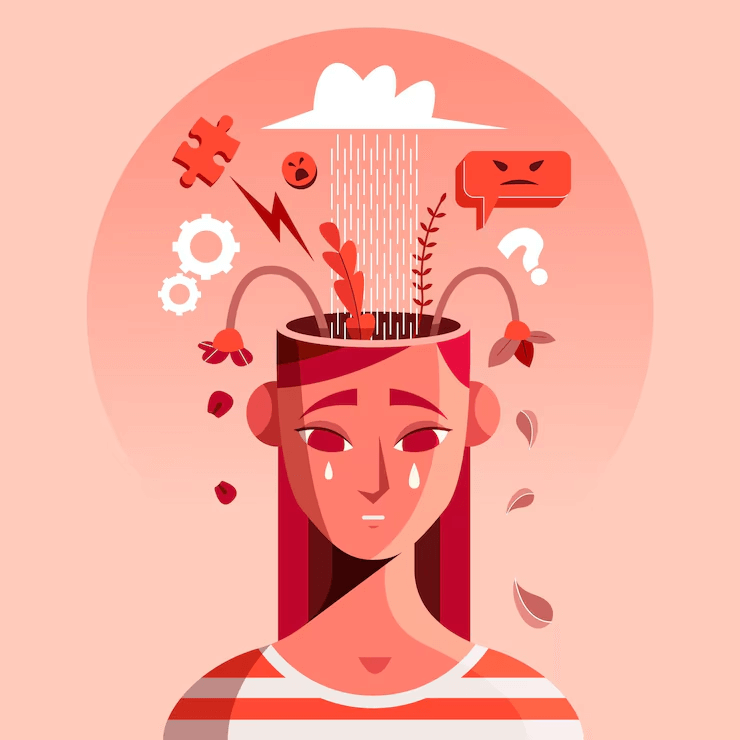
You’re caught in a thought spiral.
Maria Menounos describes these recurring patterns as “binge thoughts”—negative or stressful thoughts that seem to gather momentum once they begin. Drawing from what she says she has learned through meditation and the teachings of Dr. Joe Dispenza, Menounos explores how becoming more aware of these patterns helped her interrupt them and become more present.
The underlying idea is straightforward: If you can notice a thought before automatically following it, you create an opportunity to choose what happens next.
What Is a Negative Thought Pattern?
Negative thought patterns are recurring ways of thinking that can become so familiar that we barely notice them.
They might sound like:
I don’t have enough time.
Something is going to go wrong.
I can’t believe that happened to me.
I have so much to worry about.
I’m exhausted.
The specific thought isn’t necessarily the problem. Some concerns are legitimate and uncomfortable emotions can provide useful information.
The issue is what happens when the same patterns begin running automatically—and repeatedly shape how you experience your day.
Menounos describes realizing that she had spent significant time thinking either about the past or the future, rather than what was actually happening in the present.
The past can lead to replaying old experiences.
The future can become a running list of responsibilities and possible problems.
Both can pull attention away from right now.
Are You Addicted to Stress?
One idea Menounos discusses from Dispenza’s teachings is that people can become accustomed to the arousal associated with stress.
That can create an interesting problem:
Calm may initially feel unfamiliar.
When you’ve spent years rushing, worrying, planning and anticipating problems, that heightened state can begin to feel normal.
You may even find yourself creating or entering situations that return you to familiar feelings.
Menounos describes this as becoming “addicted to chaos”—not necessarily because someone enjoys feeling stressed, but because the pattern is known.
And human beings often find comfort in what is familiar, even when the familiar isn’t particularly comfortable.
Why the Future Can Become a Source of Anxiety
Planning ahead is useful.
We need calendars, schedules, deadlines and appointments. Thinking about tomorrow isn’t inherently unhealthy.
The difference is whether you’re planning for the future or mentally living in it.
If you’re exercising but thinking about tomorrow’s meeting, eating dinner while answering emails about next week and watching television while reviewing everything you still need to accomplish, your body may rarely receive the message that it’s okay to simply be where you are.
The practical shift discussed in the episode is small:
When you’re doing something, be there.
If you’ve scheduled Pilates, experience Pilates.
If you’re sitting on the couch watching a show, watch the show.
If you’re having a conversation, have the conversation.
Presence doesn’t require abandoning your responsibilities. It means not carrying all of them simultaneously.
The Past Can Become a Pattern, Too
The other direction our thoughts travel is backward.
We replay conversations.
Remember painful experiences.
Reconstruct arguments.
Think about people who hurt us.
Menounos discusses how repeatedly returning to a past experience can keep the emotions associated with it active in the present.
In other words, the event may be over.
But your experience of the event may continue every time you mentally return to it.
The episode also raises the possibility that memories aren’t always perfect representations of what happened. That makes repeatedly living through the emotional consequences of an old story potentially even more complicated.
The useful question isn’t whether the past mattered.
It’s:
Do I want this past experience determining how I feel today?
Start by Catching the Thought
You can’t change a pattern you don’t recognize.
That’s why the first step isn’t necessarily replacing every negative thought with a positive one.
It’s simply noticing.
Menounos describes visualizing herself as a baseball catcher.
A negative thought comes toward her.
She catches it.
Then, rather than automatically following it, she interrupts the pattern.
Her mental cue is simple:
“Change.”
Then she redirects her attention toward how she wants to feel or what she wants her future to look like.
Whether or not you use that exact technique, the broader practice is useful:
Thought → Notice → Pause → Choose
That pause is where the pattern begins to change.
Pay Attention to Your First Thought of the Day
One way to identify your automatic patterns is to notice what happens immediately after you wake up.
What’s your first thought?
I’m tired.
I don’t want to get up.
I have so much to do.
I’m already behind.
Menounos says she began deliberately changing the way she starts her morning.
Instead of allowing whatever thought appears first to dictate the emotional tone of the morning, she smiles and intentionally tells herself it’s going to be a great day.
She also uses gratitude and asks herself:
Who do I want to be today?
For her, this is less about pretending that everything is perfect and more about deciding what she wants to bring into the day before outside circumstances make that decision for her.
Your Body Can Help You Spot What’s Happening
Thought awareness doesn’t only happen in your head.
Menounos suggests checking in with your body, particularly when you’re around other people.
Ask yourself:
How do I feel when I’m with this person?
Calm?
Tense?
Anxious?
Relaxed?
Do you feel as though you can be yourself?
Or do you feel as though you need to perform, impress, defend or change yourself?
The point isn’t to immediately judge another person based on one physical sensation.
It’s to become more aware of your own internal state.
If you’ve spent years overriding those signals, simply noticing them can provide information you haven’t been paying attention to.
Make Space to Hear Your Thoughts
Constant stimulation makes thought patterns difficult to recognize.
Work.
Texts.
News.
Social media.
Appointments.
Entertainment.
Other people’s problems.
Menounos describes temporarily disconnecting from outside demands while attending an immersive meditation event. That distance helped her pay closer attention to her own patterns.
You don’t necessarily need a weeklong retreat to experiment with the same principle.
Try creating a small amount of quiet.
Take a shower without a podcast.
Sit outside.
Walk without your phone.
Spend a few minutes doing nothing.
Menounos specifically recommends slowing down enough to see what thoughts appear.
You may be surprised by how repetitive they are.
Are You Carrying Other People’s Worries?
Another pattern Menounos recognized was worry.
Not only about herself—but about everyone around her.
When there wasn’t something in her own life to worry about, she could find something happening to someone else.
That realization led to another important distinction:
Caring about someone isn’t necessarily the same thing as carrying their worry.
You can support people without taking responsibility for every problem they experience.
You can love someone without mentally solving their life all day.
And you can recognize that another person’s stress doesn’t automatically need to become yours.
Negative Emotions Aren’t Always Bad
Breaking negative thought patterns doesn’t mean trying to eliminate every uncomfortable feeling.
Menounos acknowledges that fear, stress and other negative emotions can sometimes provide useful direction.
They may tell you:
I don’t feel comfortable around this person.
This business deal doesn’t feel right.
This environment isn’t good for me.
Something needs my attention.
The distinction is between experiencing an emotion and living inside it continuously.
Fear can provide information.
Chronic fear is different.
Stress can mobilize you when something needs to happen.
Living in a constant state of stress is another matter.
The goal isn’t perpetual positivity.
It’s awareness.
Why Changing Your Thoughts Can Feel Uncomfortable
There’s a frustrating part of changing any deeply established habit:
The old behavior may feel easier.
Menounos describes this using the idea of “crossing the river of change.”
You begin trying to respond differently.
Then something happens.
You become irritated.
Someone creates drama.
An old memory resurfaces.
Suddenly you’re right back in the emotional state you were trying to leave.
That doesn’t necessarily mean the new approach isn’t working.
It may simply mean the old pattern is deeply familiar.
Menounos compares the process to learning to ride a bike. At first, you’re thinking about every movement and struggling to stay upright.
Eventually, what required enormous concentration becomes more automatic.
She says she experienced something similar with catching negative thoughts: practice made the interruption easier.
Meditation Can Create a Pause in the Day
Meditation became a major part of Menounos’ approach.
She describes using longer meditation practices as well as shorter sessions, and says her team also began taking a 20- to 30-minute meditation break during the afternoon.
For people who aren’t ready for formal meditation, the broader lesson may be more accessible:
Create moments when you’re not reacting to anything.
No incoming information.
No conversation.
No problem solving.
No scrolling.
Even a quiet period in the afternoon can provide an opportunity to notice how mentally activated you’ve become.
And if sitting meditation doesn’t appeal to you, Menounos suggests something even simpler:
Go outside.
Notice the flowers.
Be where you are.
Build a New Pattern Instead of Only Fighting the Old One
One of the ideas Menounos takes from Dispenza’s teachings is that changing your life isn’t simply about stopping an unwanted thought.
You need somewhere else to direct your attention.
She summarizes the progression this way:
New thoughts → new choices → new behaviors → new experiences → new emotions.
Instead of repeatedly asking yourself not to worry, ask:
What do I want to think about instead?
Instead of:
What if everything goes wrong?
Try:
What would I like this experience to look like?
Instead of:
I can’t believe what happened.
Ask:
What do I want to create from here?
You’re giving your mind another direction to travel.
A Simple Practice for Interrupting a Thought Spiral
The next time you notice yourself spiraling, try making the process concrete.
1. Catch it.
Notice the thought without immediately following it.
2. Name the pattern.
Is this worry? Replaying the past? Predicting the future? Taking responsibility for someone else’s problem?
3. Check your body.
Notice whether you’re tense, rushed, anxious or activated.
4. Return to now.
Ask: What is actually happening in this moment?
5. Redirect.
Instead of continuing the same thought, decide what deserves your attention next.
You may have to repeat this process many times.
That’s the practice.
You Don’t Have to Believe Every Thought That Arrives
Perhaps the biggest takeaway from the conversation is that thoughts can feel automatic without being commands.
A thought appears.
That doesn’t mean you have to follow it.
A worry appears.
That doesn’t mean you have to spend the next hour solving it.
A painful memory surfaces.
That doesn’t mean you have to relive the entire experience.
And an anxious prediction about tomorrow doesn’t mean tomorrow has already happened.
Menounos’ experience suggests beginning with something much smaller than trying to “think positively” all day.
Pay attention.
Notice the thoughts that appear repeatedly.
Notice the ones that pull you into the past.
Notice the ones that drag you into the future.
Notice the worries you’ve adopted from other people.
Then practice catching them.
Because sometimes changing a thought pattern doesn’t begin by forcing yourself to feel differently.
It begins with realizing that you have a choice about which thought you follow next.