The Science of Healing: How Dr. Joe Dispenza Explains the Power of Thought
Can Your Thoughts Make You Sick—or Heal You?
In a world where chronic illness and stress-related diseases are on the rise, a groundbreaking concept is gaining traction: the idea that our thoughts can influence our health. On Heal Squad with Maria Menounos, Dr. Joe Dispenza shares insights into how the mind can either be a catalyst for illness or a powerful tool for healing.
How Your Thoughts Shape Your Health
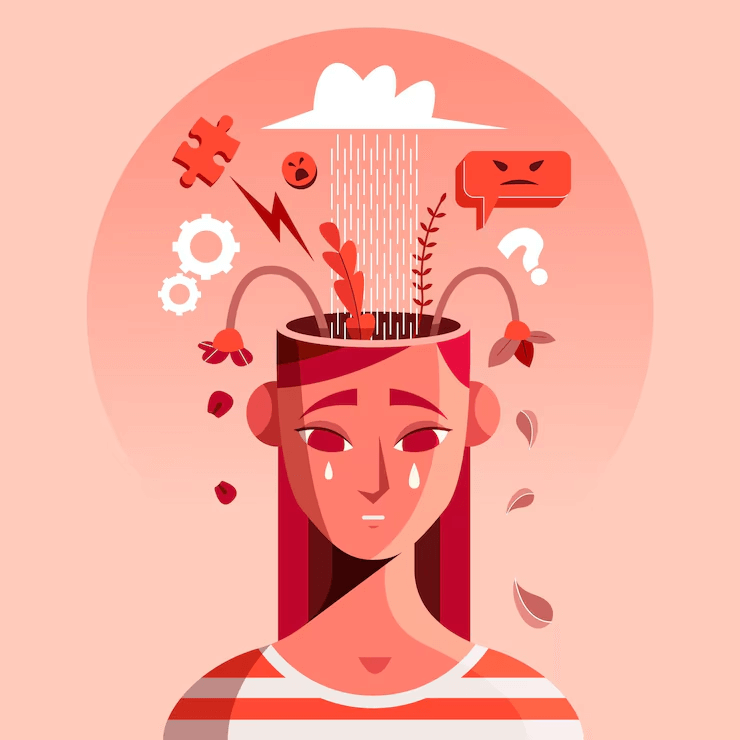
Dr. Dispenza explains that every thought triggers a chemical reaction in the body. If you consistently dwell on stress, anxiety, or negativity, your brain produces stress hormones like cortisol and adrenaline. Over time, these hormones keep the body in a fight-or-flight state, depleting energy reserves meant for healing and regeneration.
“Every time you have a thought, you make a chemical,” Dr. Dispenza says. “If you have a good thought, you create chemicals that make you feel good. If you have a stressful thought, you make chemicals that keep you in survival mode. If this becomes chronic, it disrupts the body’s natural healing process.”
Breaking the Cycle of Chronic Stress
Living in a perpetual state of stress keeps the body out of balance, contributing to autoimmune diseases, inflammation, and even cancer. Dr. Dispenza highlights a crucial point: the brain doesn’t distinguish between a real threat and a perceived one. If you constantly ruminate on past traumas or anticipate worst-case scenarios, your body reacts as if the danger is happening in real time.
He cites studies showing that people who consciously shift from negative emotions to positive emotions—like gratitude—can boost their immune system by 50% in just four days. “Your thoughts alone can activate the stress response, which over time leads to disease. But if your thoughts can make you sick, then they can also make you well,” he states.
The Key to Transformation: Rewiring Your Brain
Many people struggle with change because they are neurologically wired to their past experiences. Dr. Dispenza describes how we develop habitual thought patterns that shape our identity.
“The body becomes conditioned to expect a certain reality, and the brain fires in predictable patterns. If you wake up every day and immediately check your phone, react to emails, and rehash yesterday’s problems, you are reinforcing the same neurological pathways. That means today is just a repeat of yesterday.”
To break free, he suggests changing daily routines. Even small changes—like taking a different route to work, brushing your teeth with your non-dominant hand, or practicing daily meditation—help the brain build new neural pathways. “New behaviors create a new reality,” he emphasizes.
Meditation and Brainwave Coherence: The Shortcut to Healing
One of Dr. Dispenza’s most compelling findings is the role of meditation in shifting brainwave states. When people move from high-beta brainwaves (associated with stress and over-analysis) into alpha or theta brainwaves (states of deep relaxation and creativity), the brain becomes more suggestible to new thoughts and behaviors.
“When we teach people how to slow their brainwaves and move into a heart-coherent state, we see profound shifts in their biology,” he says. “People report spontaneous healing, reduced inflammation, and even remission of chronic diseases.”
One powerful example shared on Heal Squad was a woman with brain tumors who had been doing Dr. Dispenza’s work for two years. Doctors found 20 to 40 tumors had completely disappeared—a phenomenon that defied medical expectations.
Letting Go of Perfectionism and Fear
For many, the biggest challenge isn’t the science—it’s the emotional baggage that keeps them stuck. Maria Menounos shares her personal journey, describing how perfectionism and self-criticism made her feel like any setback in healing would undo all her progress.
Dr. Dispenza reassures listeners that transformation isn’t about never feeling negative emotions—it’s about shortening the time you spend in those states. “We all react,” he says. “The question is, how long do you stay there? Mastering that is worth more than gold.”
How to Start Changing Yourself Today
If you want to apply this knowledge, here are some simple steps to get started:
- Practice Awareness: Before you grab your phone in the morning, take a moment to observe your habitual thoughts and emotions.
- Consciously Choose Different Thoughts: Decide how you want to feel today. What does the best version of yourself look like?
- Reprogram with Meditation: Spend 10-15 minutes daily shifting into a calm state. Focus on gratitude, love, or joy.
- Change Your Routine: Take a different path to work, try a new activity, or break a habit that keeps you in the past.
- Limit Negative Storytelling: Repeating past traumas only reinforces their emotional charge. Instead, focus on the future you want to create.
The Future of Healing
Dr. Dispenza’s research is opening doors in medical schools, operating rooms, and even veteran trauma recovery programs. His work suggests that true healing isn’t just about diet, exercise, or medicine—it’s about mastering your inner world.
“If we believe in possibilities, we have to believe in ourselves,” he says. “We are more powerful than we know.”
For more healing and wellness tips, be sure to subscribe to Heal Squad with Maria Menounos on YouTube or Apple Podcasts.