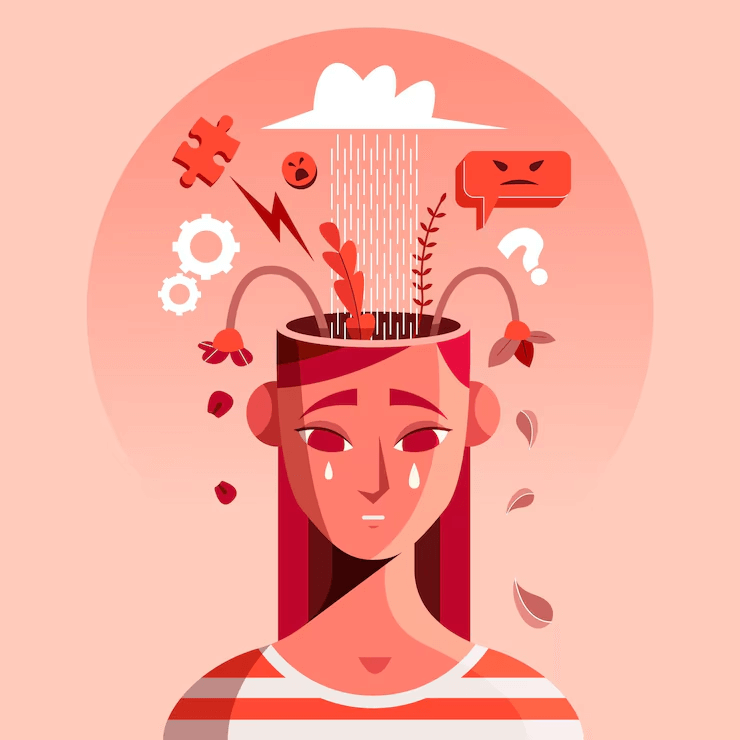
The Parenting Revolution: How Conscious Parenting Can Transform Your Child’s Future with Dr. Shefali
Rethinking Parenthood: A Wake-Up Call for Parents
What if we’ve been approaching parenting all wrong? Dr. Shefali Tsabary, renowned clinical psychologist and parenting expert, challenges traditional parenting methods in her book The Parenting Map and in her conversation on Heal Squad with Maria Menounos. She urges parents to abandon control-based parenting and embrace a conscious approach that fosters growth, awareness, and connection.
Her philosophy is clear: “Children are never ours to own, nor to control, manage, or produce. Their presence is bestowed upon us for one reason only—to ignite our own inner transformation.”
In this enlightening discussion, Dr. Shefali shares key insights from her book, revealing how outdated parenting paradigms are rooted in ego, fear, and a desire to mold children into specific outcomes. The shift, she argues, must begin with parents themselves.
Understanding Conscious Parenting
Traditional parenting often centers around control—dictating behaviors, enforcing discipline, and measuring success through external achievements. But conscious parenting asks us to look inward first.
Dr. Shefali outlines 20 essential steps for shifting into conscious parenting, including:
1. Focusing on the Right Problem
Instead of trying to “fix” a child’s behavior, parents must first recognize their own emotional triggers. If a child is resisting, rather than reacting with anger or frustration, the parent should ask: “What am I resisting?” This self-reflection is the key to breaking unhealthy patterns.
2. Destroying the Fantasy
Many parents unconsciously project their own desires and expectations onto their children, creating rigid fantasies of what their child “should” be. Dr. Shefali warns that clinging to these fantasies leads to disappointment and pressure, robbing both parent and child of authentic connection.
3. Relinquishing Control
Parents mistakenly believe they can control their children’s destinies, but true growth happens when they step back and guide instead of dictate. Dr. Shefali emphasizes that the need for control stems from fear, and when parents release this need, they foster healthier relationships with their children.
4. Ending the Chase for Happiness and Success
In today’s world, parents are obsessed with raising “successful” children, often equating success with wealth, academic achievements, or social status. Dr. Shefali argues that this obsession with external validation leads to stress and anxiety, rather than true fulfillment. Instead, parents should encourage self-discovery and inner contentment.
5. Dumping the Savior Complex
Many parents believe they must save their children from discomfort, failure, or hardship. However, shielding children from struggles robs them of resilience and problem-solving skills. Dr. Shefali stresses that the best gift parents can give their children is the ability to navigate challenges independently.
6. Observing the Ego in Parenting
One of the most eye-opening aspects of conscious parenting is recognizing the role of ego. Parents often impose their own fears, insecurities, and unfulfilled dreams onto their children. When parents become aware of this, they can shift from reactionary parenting to a more mindful and supportive approach.
The Power of Mindfulness in Parenting
A major component of Dr. Shefali’s teachings is mindfulness, which she practices through Vipassana meditation. She describes how negative thoughts affect our breath, which in turn impacts our physical and emotional well-being. By learning to observe and regulate their thoughts, parents can model emotional stability for their children.
“Mindfulness is the key,” she explains. “Without it, you will be screaming bloody murder every day.”
Through mindfulness, parents can learn to pause, breathe, and detach from automatic reactions. This simple yet powerful practice helps parents approach situations with calmness and clarity, reducing unnecessary conflict.
The Role of Play and Independence in Childhood
Dr. Shefali stresses the importance of preserving childhood as a sacred phase of life—one filled with imagination, unstructured play, and self-discovery.
“Our children are not meant to be mini-adults, scheduled from one structured activity to the next,” she says. “True childhood involves long stretches of nothingness, allowing children to explore and develop their inner worlds.”
Parents today, however, often mistake over-scheduling and constant supervision for effective parenting. Instead, children need space to solve problems, interact with peers, and experience life on their own terms. Over-involvement can stifle independence and resilience.
Raising Emotionally Healthy and Resilient Children
Dr. Shefali believes that much of adult suffering stems from childhood wounds—feelings of not being seen, heard, or validated. To break this cycle, parents must acknowledge their own upbringing and how it influences their parenting style. By addressing their own past, parents can avoid passing down unhealed traumas to their children.
Rather than focusing on raising “happy” children, the goal should be to raise self-aware children—individuals who can navigate life’s ups and downs with confidence, emotional intelligence, and inner stability.
A Parenting Model for the Future
Dr. Shefali’s approach may seem radical, but it is deeply rooted in common sense and compassion. By shifting from control to connection, from judgment to understanding, and from reaction to mindfulness, parents can create a new paradigm for raising emotionally secure, confident, and self-aware individuals.
For those looking to implement conscious parenting, The Parenting Map serves as an essential guide. Dr. Shefali also offers free resources, courses, and meditations on her website, providing practical tools for parents ready to embrace this transformative journey.
To dive deeper into this eye-opening discussion, listen to the full interview on Heal Squad with Maria Menounos.
For more healing and wellness tips, be sure to subscribe to the Heal Squad with Maria Menounos podcast via YouTube or Apple Podcasts.