Relationships: Breaking Free from Toxic Patterns and Building Deeper Connections with Mark Groves
Relationships are the cornerstone of our emotional well-being, yet so many of us struggle to cultivate and maintain healthy, fulfilling connections. On Heal Squad with Maria Menounos, human connection specialist Mark Groves dives deep into the science and psychology of relationships, shedding light on why some relationships thrive while others crumble. He explores the impact of childhood traumas, over-functioning, and relational awareness—offering invaluable insights into breaking free from toxic cycles and fostering deeper, more authentic love.
Whether you find yourself stuck in the same relationship patterns, struggling with conflict resolution, or simply looking to build a stronger connection with your partner, this conversation is packed with transformative wisdom.
What Is a Human Connection Specialist?
Mark Groves describes his work as that of a “human connection specialist,” a term that captures his passion for understanding why some relationships succeed while others fail. His journey began in sales, where he studied human behavior to influence decision-making. But when his own relationship ended, he turned his focus to romantic relationships, asking himself:
- Why do some relationships thrive while others remain stagnant?
- What skills do people need to build lasting, fulfilling connections?
- Why aren’t we taught these crucial relationship skills?
Groves launched his platform, Create the Love, to help people understand their own relational patterns, navigate conflict, and build stronger emotional connections.
Why Some Relationships Last—and Others Don’t
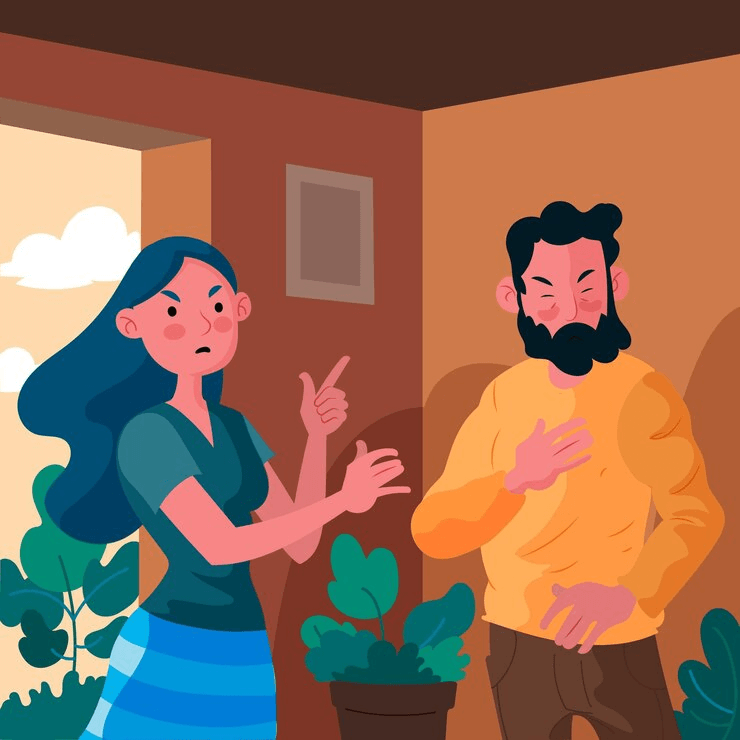
According to Groves, successful couples don’t avoid conflict—they embrace it as a pathway to deeper intimacy. Many people assume that never fighting is a sign of a good relationship, but in reality, conflict resolution is a key factor in relationship longevity.
“Great couples navigate conflict differently,” Groves explains. “Conflict is a bridge to intimacy, to understanding, to learning more about our partners.”
He highlights key habits of thriving couples:
- Prioritizing repair: Instead of leaving their partners in pain, they make intentional efforts to heal conflicts.
- Acknowledging relational wounds: The patterns we repeat in relationships often stem from unresolved childhood wounds.
- Breaking the cycle of avoidance: Many of us enter relationships thinking we have everything figured out, only to realize that true growth happens when we’re challenged by another person.
The Impact of Childhood Trauma on Adult Relationships
One of the most eye-opening revelations in the conversation was how deeply our childhood experiences shape our romantic relationships. Many people aren’t even aware that they are recreating the relational patterns of their past.
Groves explains:
- If your parent was emotionally unavailable, you may be unconsciously drawn to partners who are distant.
- If your childhood home was chaotic, you may associate instability with love and seek out tumultuous relationships.
- If your needs were consistently ignored, you may struggle to express them as an adult.
“The relationships we form as adults are invitations to heal childhood wounds,” Groves says. “We are drawn to partners who wound us in a similar way to our parents—not because we want to suffer, but because our subconscious is trying to rewrite the past.”
Taking Responsibility for Your Relationship Patterns
One of the hardest but most important steps in personal growth is taking responsibility for our relational behaviors. Many of us resist self-awareness because it forces us to confront painful truths.
“If we recognize that our way of handling conflict isn’t functional, that means we have to change it,” Groves says. “And that’s scary. Because behind our dysfunctional communication behaviors is pain—unattended pain.”
He suggests asking yourself these powerful questions:
- What are the patterns that keep playing out in my relationships?
- What kind of people am I repeatedly attracted to?
- What unmet childhood needs might be influencing my relationship choices?
By identifying these patterns, we can stop blaming external circumstances and start making conscious choices in our relationships.
Over-Functioning: The Hidden Relationship Killer
A major theme of the conversation was over-functioning—a pattern where one partner takes on too much responsibility, often at the expense of their own well-being. This is especially common among women, who are socialized to be caretakers.
“Wherever there’s an over-functioner, there’s an under-functioner,” Groves explains. “If you’re exhausted and resentful, it’s a sign that you’re prioritizing others over yourself.”
Over-functioners often:
- Take on emotional labor for their partners.
- Feel responsible for “fixing” problems in the relationship.
- Ignore their own needs in favor of keeping others happy.
The way out? Setting boundaries and allowing others to step up. Resentment is often a sign that we need to prioritize ourselves more.
The Power of Boundaries and Self-Expression
One of the most profound takeaways from Groves’ insights is the idea that true belonging comes from self-expression—not people-pleasing.
“All humans have two core needs: authenticity and belonging,” he says. “But when authenticity threatens belonging, most people choose belonging.”
This means that we often suppress our true selves in order to fit in—whether it’s in our family, friendships, or romantic relationships. However, the path to deeper, more fulfilling relationships requires us to stand in our truth, even if it means losing certain connections.
“If you’re willing to risk belonging to be your full self, you’ll find your true people,” Groves says.
Breaking Free from Trauma Bonds
Many relationships are built on trauma bonds, where two people unconsciously connect over shared wounds rather than genuine compatibility. These relationships often feature rapid escalation, intense highs and lows, and a deep fear of abandonment.
“The key to breaking trauma bonds is learning how to self-soothe,” Groves advises. “When we can meet our own emotional needs, we stop looking for partners to complete us.”
Signs of a trauma bond include:
- Feeling addicted to the relationship despite its dysfunction.
- Repeating cycles of emotional highs and lows.
- Prioritizing the relationship at the cost of your well-being.
To break free, Groves encourages people to:
- Spend time alone to build self-sufficiency.
- Seek professional support.
- Develop a strong sense of self-worth outside of relationships.
Living in Integrity with Your Knowledge
Perhaps the most powerful lesson from Groves is that awareness alone isn’t enough—we have to act on what we learn.
“You can’t pretend you don’t know something once you’ve realized it,” he says. “Knowledge that isn’t integrated into our lives is useless.”
If you recognize a pattern in your relationships, don’t ignore it. Do the work. Read the books. Have the hard conversations. Because every time you make a conscious change, you break a generational cycle.
For more healing and wellness tips, be sure to subscribe to the Heal Squad with Maria Menounos podcast via YouTube or Apple Podcasts.