Can Stress and Trauma Affect Your Physical Health? Understanding the Mind-Body Connection
Stress doesn’t exist only in your head.
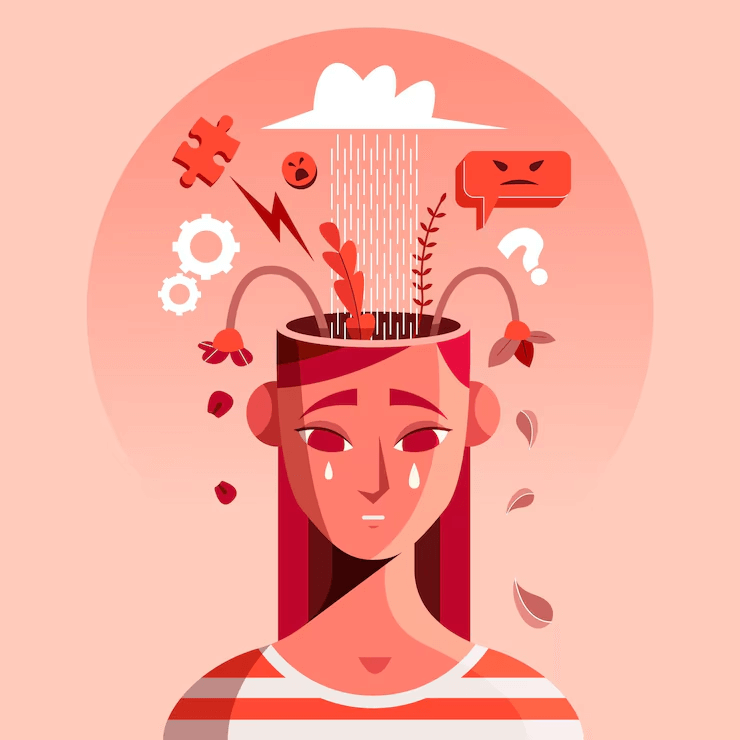
Your heart may beat faster. Your muscles tense. Your stomach reacts. Your sleep changes. Hormones are released, and your immune and nervous systems respond.
Usually, those reactions help the body adapt to a challenge. But what happens when stress isn’t temporary? What happens when difficult experiences, emotional suppression or patterns developed in childhood follow us for years?
In a Heal Squad conversation with physician and The Myth of Normal author Dr. Gabor Maté, Maria Menounos explores the relationship between emotional health, chronic stress, trauma and physical well-being. Maté’s central message is that health shouldn’t be viewed as purely physical or purely psychological. Our biology, relationships, environment and emotional lives continually interact.
That doesn’t mean trauma causes every illness—or that someone is responsible for becoming sick. But understanding how stress affects the body can add an important piece to the larger picture of health.
Your Mind and Body Aren’t Separate Systems
We often talk about “mental health” and “physical health” as though they’re two different things.
Biologically, the distinction isn’t so simple.
Your brain, nervous system, endocrine system and immune system communicate constantly. Emotional stress can produce physical responses, while physical illness can affect mood, energy and emotional well-being.
Maté argues that this interconnectedness is essential to understanding health. Rather than looking only at a diagnosis, he encourages people to consider the broader context of a person’s life—including relationships, chronic stress and emotional experiences.
The practical takeaway isn’t to replace medical care with emotional healing.
It’s to recognize that both may deserve attention.
What Is Trauma?
One of Maté’s most important distinctions is between a difficult event and the trauma that may result from it.
He describes trauma as a wound—the lasting internal effect of an experience rather than simply the experience itself.
That distinction matters because two people can experience similar events and respond very differently.
Trauma may affect how someone experiences relationships, handles conflict, responds to stress or perceives safety long after the original event has passed.
And trauma doesn’t always come from one catastrophic event.
Repeated emotional stress, instability, neglect or feeling unable to safely express emotions can also influence the patterns a child carries into adulthood.
Childhood Can Teach Us to Ignore Our Own Needs
Children depend on caregivers for safety and connection.
But they also need to develop a sense of themselves—their emotions, preferences, limits and boundaries.
Maté describes a conflict that can occur when those two needs collide.
Imagine a child who learns that anger isn’t acceptable.
The child becomes angry and is rejected, punished or told to stop.
Eventually, the lesson may no longer be simply:
“I shouldn’t act this way.”
It may become:
“I shouldn’t feel this way.”
The child learns to suppress the emotion in order to preserve connection.
That coping strategy may make sense in childhood. The problem is that it can follow someone into adulthood, when the circumstances that created it no longer exist.
Healthy Anger Is Really About Boundaries
Anger often gets treated as a negative emotion.
But anger itself isn’t necessarily unhealthy.
Maté describes healthy anger as a boundary-defense system. Its message is essentially:
Don’t do that to me.
Don’t speak to me that way.
This isn’t okay.
That doesn’t require yelling, aggression or holding a grudge.
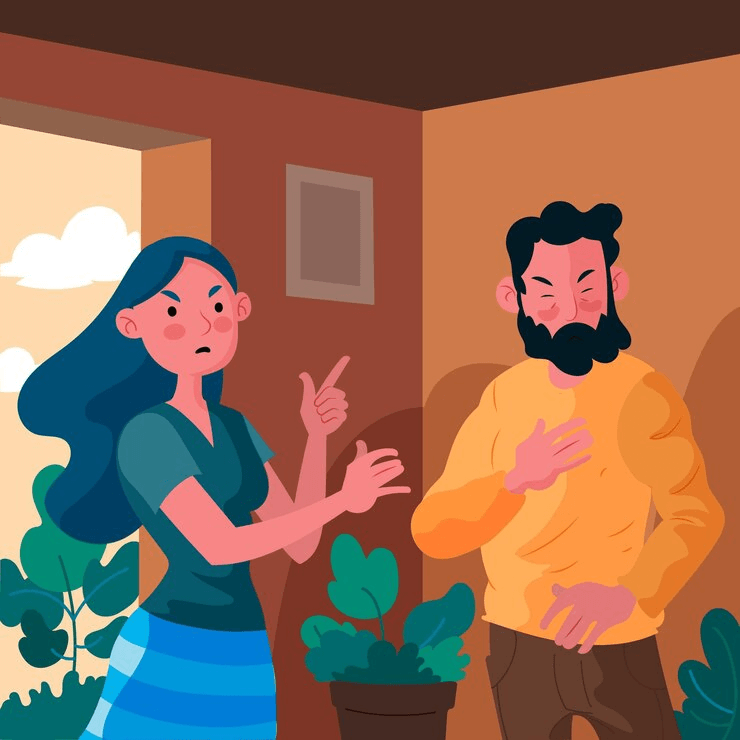
In fact, Maté distinguishes healthy anger from rage. Healthy anger recognizes the emotion, communicates or enforces the boundary and then allows the emotion to pass once it has done its job.
That’s a useful distinction.
The goal isn’t to eliminate anger.
It’s to learn how to experience it without either suppressing it or allowing it to control your behavior.
Why Emotional Suppression Can Become a Problem
Many people become very good at overriding what they feel.
Don’t be angry.
Don’t disappoint anyone.
Keep everyone happy.
Don’t complain.
Just push through.
Those habits can become so automatic that you may not even recognize them as choices.
Maria discusses this in the episode through her own experience of becoming a caretaker early in life and later pushing herself professionally. Maté describes how childhood patterns can make people highly attuned to everyone else’s needs while becoming disconnected from their own.
That doesn’t mean suppressing anger automatically causes a particular disease. Health conditions generally have multiple interacting influences, including genetics, biology, environment, behaviors and medical history.
But chronic stress and emotional well-being are legitimate parts of health—and shouldn’t automatically be excluded from the conversation.
When Achievement Becomes a Way to Prove Your Worth
Sometimes coping doesn’t look unhealthy from the outside.
It can look like success.
Working harder. Achieving more. Making more money. Collecting accolades. Becoming indispensable.
Maria describes realizing after a major health crisis that she had built parts of her life around a pace and definition of success that didn’t necessarily reflect what she actually wanted. Maté shares his own experience with workaholism and the need for external validation.
This raises an uncomfortable but useful question:
Am I pursuing this because I genuinely want it—or because I need it to prove something about myself?
Achievement isn’t the problem.
The issue is what happens when achievement becomes the primary source of self-worth.
Addiction Isn’t Always About Drugs or Alcohol
Maté also broadens the conversation around addiction.
He describes addiction as a behavior that provides temporary pleasure or relief, creates negative consequences and becomes difficult to stop. Under that definition, addictive patterns can involve substances, but they can also involve work, shopping, gambling, food, sex, gaming or other behaviors.
His approach shifts the question from:
“Why won’t this person stop?”
to:
“What is this behavior doing for this person?”
Is it providing relief?
Numbing emotional pain?
Creating a sense of control?
Providing validation?
Helping someone temporarily escape feelings they don’t know how to handle?
Understanding the function of a behavior doesn’t excuse harmful behavior. But it may help reveal what needs to be addressed alongside the behavior itself.
Healing Can Start With Reconnecting With Yourself
So what does healing look like?
For Maté, an important part of it is reconnecting with the authentic self that may have been pushed aside in order to adapt.
That can mean recognizing your needs.
Setting boundaries.
Allowing yourself to experience emotions without judging them.
Examining old coping patterns.
Making choices based less on other people’s expectations and more on your own values.
And becoming an active participant in your health rather than feeling powerless within it.
None of this requires rejecting conventional medicine.
In fact, Maté acknowledges the extraordinary accomplishments of modern medicine while arguing that emotional and social factors deserve a larger place alongside biological treatment.
For someone dealing with a physical or mental health condition, that can mean continuing appropriate medical care while also asking whether chronic stress, relationships, sleep, emotional health, therapy, social support or lifestyle deserve attention.
It’s not either/or.
Don’t Turn Healing Into Self-Blame
There’s an important danger in conversations about trauma and illness.
If we’re not careful, asking “What contributed to this?” can become “What did I do wrong?”
Maté explicitly pushes back against that idea.
Many coping patterns are developed when we’re children, before we have the ability to consciously understand or choose what’s happening. They may have helped us navigate the environment we were in at the time.
Instead of blame, Maté recommends what he calls compassionate inquiry.
Rather than:
What’s wrong with me?
Try:
What am I doing that may be contributing to my stress?
Where did I learn this pattern?
Is it still helping me?
What might need to change?
Those questions create room for responsibility without shame.
Health Is Bigger Than the Individual
One of the broader ideas in The Myth of Normal is that we can’t completely separate individual health from the culture in which people live.
Families matter.
Communities matter.
Workplaces matter.
Food and environment matter.
Relationships matter.
Loneliness and connection matter.
The expectations placed on us matter.
Maté argues that when large numbers of people are struggling, it’s worth examining not only what is happening inside those individuals, but also the environments in which they’re trying to live.
That shifts the health conversation from simply “What’s wrong with this person?”
to something bigger:
“What does a human being need in order to thrive?”
Your Move
You don’t have to uncover every childhood experience or completely reinvent your life today.
Start smaller.
Pay attention to one place where your body or emotions may be asking for your attention.
Maybe you’re exhausted but keep saying yes.
Maybe you’re angry but afraid to set a boundary.
Maybe achievement has become your measure of worth.
Maybe you’ve become so accustomed to caring for everyone else that you no longer know what you need.
Ask yourself:
What would taking better care of myself look like here?
Healing isn’t about blaming the past for everything happening in the present.
It may be about understanding the patterns you carried forward—and deciding which ones you no longer need.