Healing from Narcissistic Wounds and Emotional Trauma with Xavier Dagba
Understanding the Role of Shame in Emotional Wounds
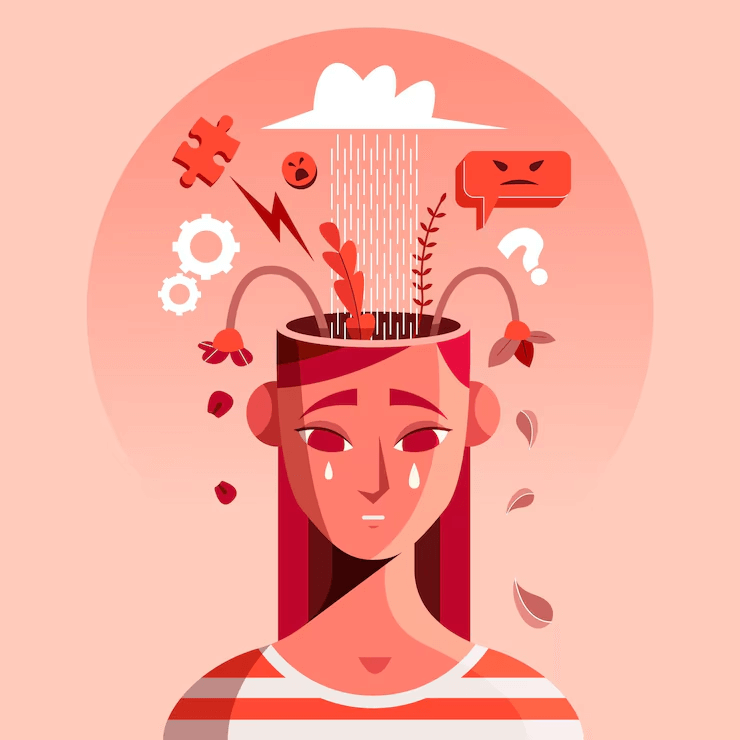
Shame is an emotion deeply embedded in our psyche, and according to transformational life coach and shadow work facilitator Xavier Dagba, it plays a crucial role in shaping our behavior—often in destructive ways. In a recent episode of Heal Squad with Maria Menounos, Dagba shared profound insights on how shame fuels narcissism, codependency, and emotional pain, and most importantly, how we can break free from these cycles.
“You cannot dismiss an emotion and expect it to go away,” Dagba explains. “Repressing shame or anger only allows it to fester beneath the surface, influencing behaviors in unconscious ways.”
Narcissism as a Shield Against Shame
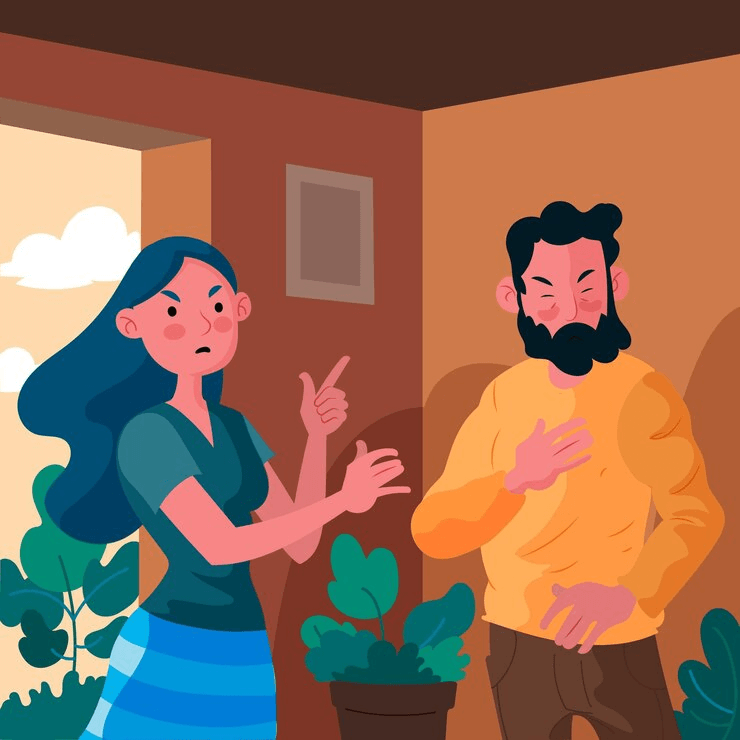
One of the most eye-opening takeaways from the conversation is Dagba’s explanation of narcissism as a defense mechanism. He describes it as a spectrum, with varying degrees of intensity, but at its core, narcissism often stems from environments where shame was overwhelmingly present.
“When people refuse to welcome any degree of shame, they build a fortress to protect themselves from ever feeling ‘less than,’” Dagba says. “They project shame outward, deflect responsibility, and gaslight those around them to avoid confronting their own wounds.”
For those dealing with narcissists in their lives, this perspective offers a new level of understanding. It doesn’t excuse toxic behavior, but it provides insight into its roots. Recognizing this allows for a more grounded approach to setting boundaries and protecting oneself from emotional harm.
The Codependency Connection
On the other end of the spectrum lies codependency, which Dagba refers to as a “self-love deficit disorder.” In contrast to narcissists, codependent individuals absorb shame rather than deflect it. They often self-sacrifice for love and validation, leading to a cycle of people-pleasing, poor boundaries, and emotional exhaustion.
“Codependency is often rooted in childhood experiences where love was conditional—where you had to perform, please, or suppress your needs to receive approval,” Dagba explains. Healing requires recognizing these ingrained patterns, reclaiming personal worth, and setting strong emotional boundaries.
The Power of Reparenting Your Inner Child
A key part of emotional healing is what Dagba calls “reparenting”—learning to nurture and validate the wounded parts of yourself that were neglected in childhood. “In order to heal the victim within, you must first meet them,” he says.
This involves:
- Acknowledging emotions rather than suppressing them
- Offering self-compassion instead of self-criticism
- Rewriting the internal narrative that keeps you trapped in shame or unworthiness
Dagba emphasizes that true forgiveness—whether for yourself or others—isn’t about forcing premature acceptance. It is an outcome of deep healing, not the starting point. “You don’t need an apology to find closure. You need to process the emotions holding you hostage.”
Breaking Free from Toxic Patterns
One of the most practical lessons Dagba shares is how to break free from toxic emotional cycles. Whether dealing with narcissists, struggling with self-worth, or battling destructive habits, the first step is always awareness.
“Identify the triggers that make you feel unworthy or unseen,” he advises. “Instead of reacting, pause and get curious. Ask yourself: What am I feeling? Where have I felt this before?”
He encourages replacing self-judgment with self-inquiry. “If you find yourself in a shame spiral, take a breath and say, ‘Can it be okay that I feel this way right now?’ Just that simple act of acceptance disrupts the cycle of self-punishment.”
Final Takeaway: Leading from the Heart, Not the Wound
Ultimately, Dagba’s message is about reclaiming personal power by leading from the heart, not from past wounds. By recognizing and addressing emotional pain with radical honesty and compassion, individuals can transform their lives in profound ways.
For more wisdom on healing and self-transformation, be sure to subscribe to Heal Squad with Maria Menounos on YouTube or Apple Podcasts.