Eyebrow Transplants: Everything You Need to Know with Dr. Jason Champagne
Introduction
Eyebrows frame the face, define expression, and can significantly impact self-confidence. Yet, many struggle with thinning brows due to over-plucking, aging, or medical conditions like alopecia and chemotherapy side effects. Enter eyebrow transplants—a revolutionary procedure that restores natural, full brows permanently.
On Heal Squad with Maria Menounos, guest host Kevin Undergaro and co-host Kelsey Meyer sit down with renowned facial plastic surgeon and hair restoration expert, Dr. Jason Champagne, to break down everything you need to know about eyebrow transplants. From the causes of thinning brows to the intricacies of the procedure and how to find a qualified specialist, here’s your complete guide to achieving the perfect brows.
Why Do People Seek Eyebrow Transplants?
Dr. Champagne explains that one of the biggest reasons patients seek eyebrow restoration is due to the over-tweezing trend of the ‘90s. “Many people plucked their brows to a pencil-thin line, and over time, those hairs stopped growing back due to trauma and scar tissue,” he says. Other common reasons include:
- Aging: Thinning brows can occur naturally as we get older.
- Medical Conditions: Alopecia, chemotherapy, and thyroid disorders can contribute to eyebrow hair loss.
- Scarring: Injuries or microblading can cause permanent damage to the follicle, preventing regrowth.
With fuller, natural brows being the current beauty trend, more people are seeking long-term solutions beyond temporary fixes like makeup or microblading.
What Is an Eyebrow Transplant?
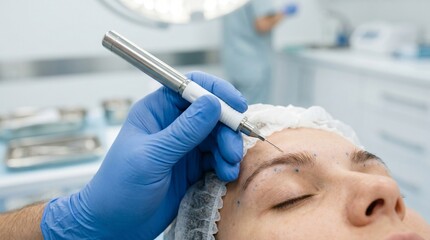
An eyebrow transplant is a surgical procedure where hair is taken from the patient’s scalp (typically from the back of the head) and transplanted into the brow area. This meticulous process involves:
- Donor Hair Extraction: Hair follicles are removed one by one from the donor site.
- Graft Preparation: Each follicle is carefully refined under a microscope to ensure proper placement.
- Implantation: The hairs are strategically implanted into the brow at the correct angle, direction, and density for a natural look.
“The artistry involved in this procedure is critical,” Dr. Champagne emphasizes. “Without the right angle and placement, brows can look unnatural or even cartoonish.”
Recovery and Results: What to Expect
Eyebrow transplants are an outpatient procedure, and most patients recover quickly. Here’s a general timeline:
- First 10 Days: Some redness, scabbing, and swelling. Scabs fall off after about 9-10 days.
- 2-3 Weeks: Transplanted hairs may shed—a normal part of the process.
- 3-4 Months: New hair growth begins, but results are still developing.
- 6-8 Months: Hairs become thicker and more natural-looking.
- One Year: Final results, with fully matured and settled eyebrow hairs.
Since the transplanted hair comes from the scalp, it continues to grow like regular hair, meaning it requires regular trimming and grooming—something Dr. Champagne personally teaches each of his patients.
How Does Eyebrow Transplant Compare to Microblading?
While microblading remains popular, Dr. Champagne cautions that it is a temporary solution with potential downsides:
- Fades over time, requiring regular touch-ups.
- Can cause scar tissue, making future hair transplants more difficult.
- Not three-dimensional, as it relies on tattooing rather than real hair.
“I haven’t had a single patient who was happy with their microblading results long-term,” he reveals. “They always wish they had known about eyebrow transplants first.”
Cost and Choosing the Right Surgeon
Eyebrow transplants vary in price, typically ranging from $10,000 to $20,000 depending on location, surgeon expertise, and procedure complexity.
When looking for a qualified specialist, Dr. Champagne advises:
- Check Before & After Photos: Look for natural results, not overly thick or unnatural brows.
- Read Reviews & Testimonials: Be wary of fake or misattributed images.
- Consult with the Surgeon: They should analyze your facial structure and tailor the brows to suit your features.
- Ask About Their Experience: They should specialize in hair restoration, not just general cosmetic procedures.
Eyebrow Trends: What Works and What to Avoid
While trends like ultra-thin brows and laminated brows come and go, Dr. Champagne recommends avoiding extreme styles that don’t stand the test of time.
“The most youthful, timeless brows are full but natural-looking, with a shape that enhances your facial symmetry,” he explains. “I always advise against over-arched or too-thin brows, as they can age you prematurely.”
The Bottom Line
If you’ve struggled with thin or over-plucked brows, an eyebrow transplant could be a game-changer. With natural, permanent results, it’s a worthwhile investment for those looking to restore their brows once and for all.
For more healing and wellness tips, be sure to subscribe to the Heal Squad with Maria Menounos podcast via YouTube or Apple Podcasts.