Self-Worth Beyond the Spotlight with Nikki Glaser
Nikki Glaser, the powerhouse comedian known for her sharp wit and unfiltered humor, recently joined Heal Squad with Maria Menounos for a candid conversation about the emotional toll of always being “on.” In an industry where success is often equated with relentless hustle, Glaser opened up about her struggles with self-worth, control, and the pressure to perform. If you’ve ever felt like you’re playing a role rather than living authentically, this conversation is a must-read.
The Weight of Always Performing
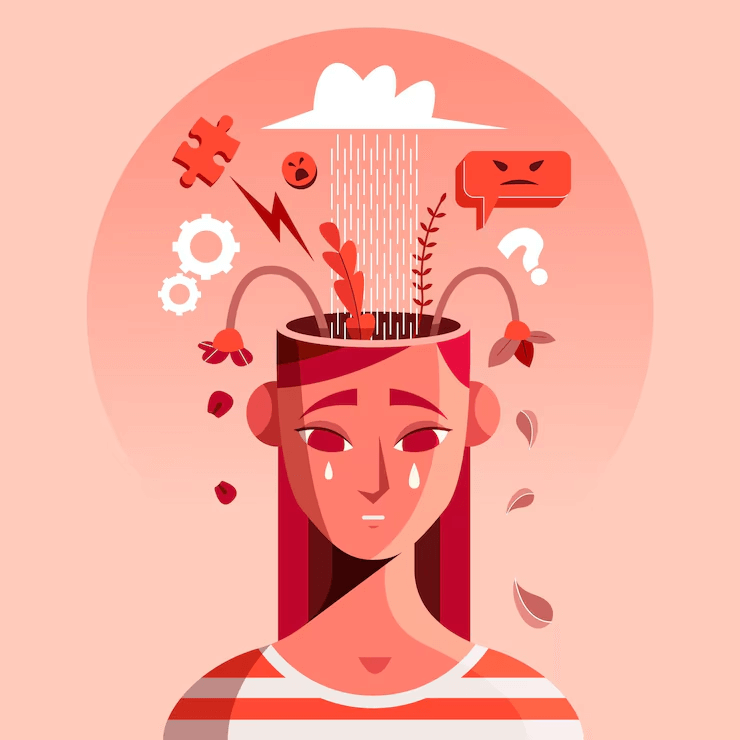
Glaser admitted that the more attention she receives for her on-stage persona, the more resentful she feels. “People like the show version of me, but do they like the real me?” she questioned. This internal conflict leads to feelings of isolation and self-doubt. The fear that people only value her for her jokes, rather than her true self, creates an exhausting cycle of performance anxiety.
The conversation illuminated a common struggle—many of us feel like we must curate our personalities to be accepted. Whether in entertainment, social media, or even within our personal relationships, the pressure to be “likable” can lead to burnout and disconnection from our authentic selves.
The Fear of Slowing Down
Glaser also touched on a deep-rooted fear many ambitious individuals share: what happens when you stop? “I feel like if I don’t keep working, I’ll lose my place,” she confessed. The idea of taking a break or slowing down feels terrifying, as if stepping off the hamster wheel means forfeiting success.
Maria Menounos, who has faced her own reckoning with overworking, offered a powerful perspective: “Who we were at 19 when we discovered our passions and who we are now are two different people. Sometimes, we have to let go of old dreams that no longer serve us.”
The Role of Self-Worth and Vulnerability
Glaser also explored the link between self-worth and relationships. “I keep being drawn to unavailable people, while the ones who genuinely like me, I find repulsive,” she admitted. This realization led to a deeper discussion about how unresolved childhood wounds shape our adult relationships.
Menounos recommended reprogramming limiting beliefs with practices like EMDR (Eye Movement Desensitization and Reprocessing) therapy, energy work, and conscious self-talk. “If you don’t believe you deserve love, you’re going to keep pushing it away,” she noted. Rewiring our subconscious thoughts about self-worth is key to attracting healthier relationships.
Learning to Surrender
One of the biggest takeaways from the conversation was the concept of surrender. Many high achievers struggle with control, feeling like they must force things to happen. But surrendering doesn’t mean giving up—it means allowing things to unfold naturally and trusting that what is meant for you will come.
Menounos emphasized the importance of differentiating between “resonance” and “dissonance” when making decisions. If something lights you up and excites you, it’s resonant. If it feels like an obligation or drains your energy, it’s dissonant. Learning to say no to dissonance creates space for opportunities that truly align with your authentic self.
Conclusion
Nikki Glaser’s raw honesty in this conversation is a reminder that no amount of external success can compensate for internal struggles. True fulfillment comes from learning to embrace who we are—not just the version of ourselves we present to the world.
If you’ve ever struggled with feeling like you have to “earn” happiness or perform to be loved, know that you’re not alone. The journey to self-acceptance is ongoing, but with the right tools—like therapy, mindfulness, and community support—it’s possible to break free from the need to constantly prove your worth.
For more healing and wellness tips, be sure to subscribe to Heal Squad with Maria Menounos on YouTube or Apple Podcasts.