Prioritizing Soul Awareness and Avoiding Burnout with Pastor Toure Roberts
In a world that glorifies hustle and achievement, we often find ourselves running on empty—physically, mentally, and emotionally. Best-selling author, businessman, and pastor Toure Roberts joined Heal Squad with Maria Menounos to share insights from his book Balance: Positioning Yourself to Do All Things Well. In this conversation, Roberts redefines what balance truly means and how we can cultivate it in our lives for greater fulfillment and success.
Why Balance is More Than Just Work-Life Harmony
Many of us think of balance as achieving perfect work-life harmony. However, as Roberts explains, true balance is an internal state that prioritizes the self and meets our unique internal needs. “Your balance is different from my balance,” he notes. Rather than following generic productivity hacks, Roberts urges individuals to tune into their own souls and recognize what brings them energy, peace, and purpose.
The Difference Between Being Tired and Being Weary
One of the most powerful distinctions Roberts makes in his book is the difference between being tired and being weary.
- Tiredness is physical exhaustion, which can be remedied with rest or sleep.
- Weariness, on the other hand, is a depletion of emotional and spiritual energy—something that can’t be fixed by just taking a nap.
Roberts calls weariness “the subtle, gradual gravitational pull down to the tarmac of disaster.” When we ignore the signs of weariness, we risk burnout, poor decision-making, and even physical illness. To counter this, he advises tuning into our bodies and prioritizing self-care before we reach the breaking point.
Becoming Soul-Aware: The Key to Avoiding Burnout
Roberts introduces the concept of soul awareness, which goes beyond self-awareness. While self-awareness helps us recognize habits and patterns, soul awareness is a deeper connection with our most authentic selves.
To become soul-aware, Roberts suggests:
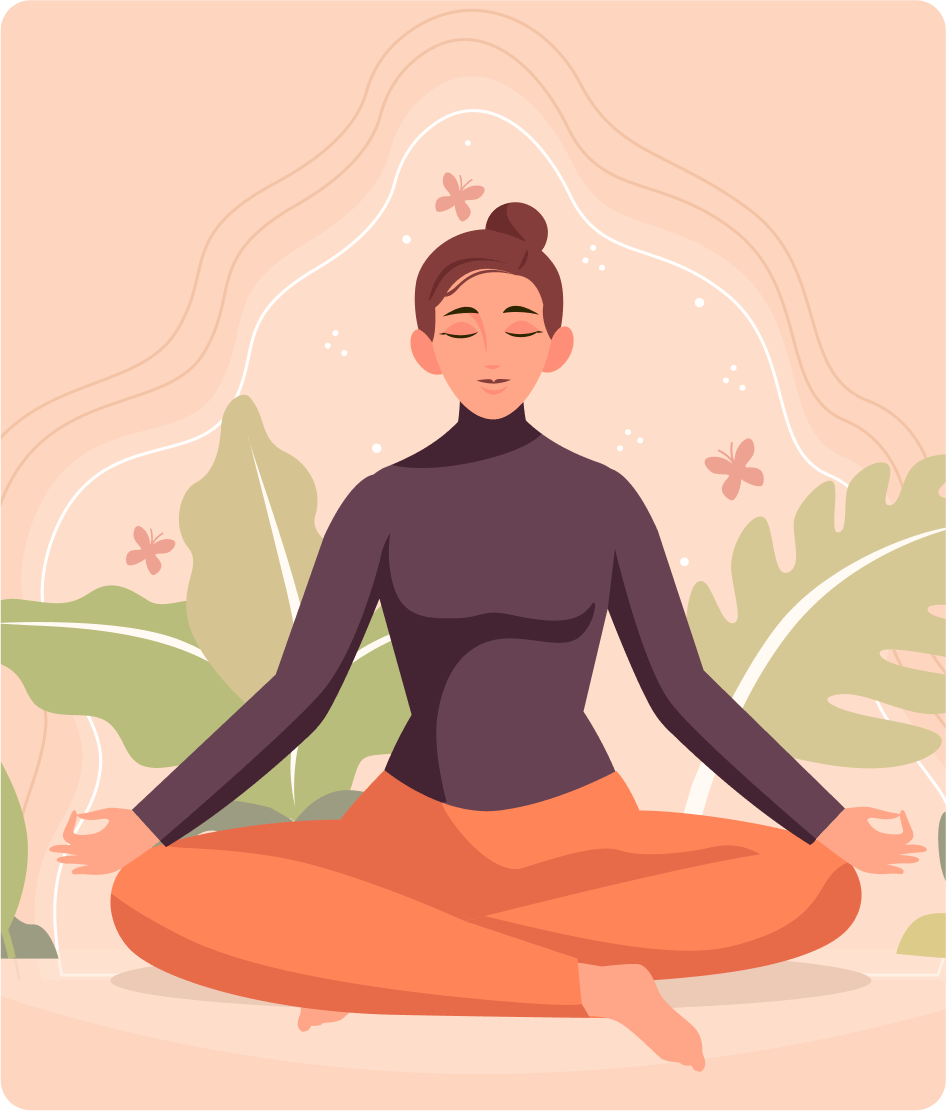
- Daily Stillness: Taking at least 30 minutes to an hour each day to sit in silence, meditate, or engage in reflective practices.
- Intentional Rest: Learning to stop, not just when forced by exhaustion, but as an act of self-preservation.
- Listening to Inner Guidance: Our soul already knows what we need; we just need to create the space to listen.
The Courage to Stop: Why Rest is Productive
One of the biggest obstacles to achieving balance is the fear that taking a break will lead to failure. “Most people don’t believe they can afford to stop,” Roberts says. High achievers, in particular, struggle with this mindset, believing that their constant movement is what keeps everything from falling apart.
However, he argues that rest is not a luxury but a necessity. The irony is that when we refuse to rest, we become less effective. Over time, exhaustion leads to poor choices, decreased creativity, and even strained relationships. “Taking a pause allows you to come back stronger and offer the world the best version of yourself,” Roberts emphasizes.
Fear-Based Decisions: How to Break the Cycle
Many of us make decisions out of fear—fear of failure, scarcity, or not being enough. However, Roberts warns that fear-based decisions keep us stuck in survival mode rather than thriving.
Instead, he recommends shifting our mindset to one of abundance:
- Recognizing that operating from fear consumes mental and emotional energy that could be used for creation and innovation.
- Understanding that fear-based success is still limited success—without true fulfillment.
- Focusing on moving toward positive opportunities rather than simply running away from negative possibilities.
The Importance of Being Alone (Alone vs. All-One)
The idea of being alone is often associated with loneliness or deprivation. However, Roberts reframes it as an opportunity for self-discovery. The original Middle English phrase for “alone” was al one, meaning “all one”—a state of completeness rather than lack.
Spending time alone allows us to:
- Reconnect with our inner selves.
- Heal past wounds without external distractions.
- Cultivate self-love and confidence without relying on external validation.
“If you are uncomfortable being alone, it may be because you haven’t yet built a relationship with yourself,” Roberts explains. By embracing solitude, we learn to enjoy our own company and make peace with our thoughts.
Final Thoughts: Cultivating Balance for a More Fulfilling Life
Finding balance isn’t about achieving perfection; it’s about continually adjusting and tuning into what we need. By becoming soul-aware, taking intentional rest, and learning to let go of fear-based thinking, we can create a life that is not only successful but also deeply fulfilling.
For more insights from Toure Roberts, be sure to check out his book Balance: Positioning Yourself to Do All Things Well.
For more healing and wellness tips, be sure to subscribe to the Heal Squad with Maria Menounos podcast via YouTube or Apple Podcasts.