Mark Groves on Love, Relationships, and Breaking Unhealthy Patterns
How do we show up in relationships, and what do we need to do better? This week on Heal Squad with Maria Menounos, human connection specialist Mark Groves dives deep into the intricacies of love, communication, and self-awareness. From recognizing unhealthy relationship patterns to taking full responsibility for our emotional well-being, this conversation is packed with life-changing insights. If you’ve ever wondered why certain relationships thrive while others crumble, get ready to take notes!
What is a Human Connection Specialist?
Mark Groves describes himself as a human connection specialist, an emotional translator who helps people understand the intricate dance of love and relationships. But how did he get into this field? Originally working in sales, Mark became fascinated with human behavior—why people choose one product over another, and more importantly, why some relationships succeed while others fail. A painful breakup led him to ask deeper questions about his own emotional intelligence and communication skills, setting him on a path of self-discovery and eventually leading to the creation of Create The Love, a platform dedicated to guiding people toward healthier, more fulfilling relationships.
Why Some Relationships Last While Others Don’t
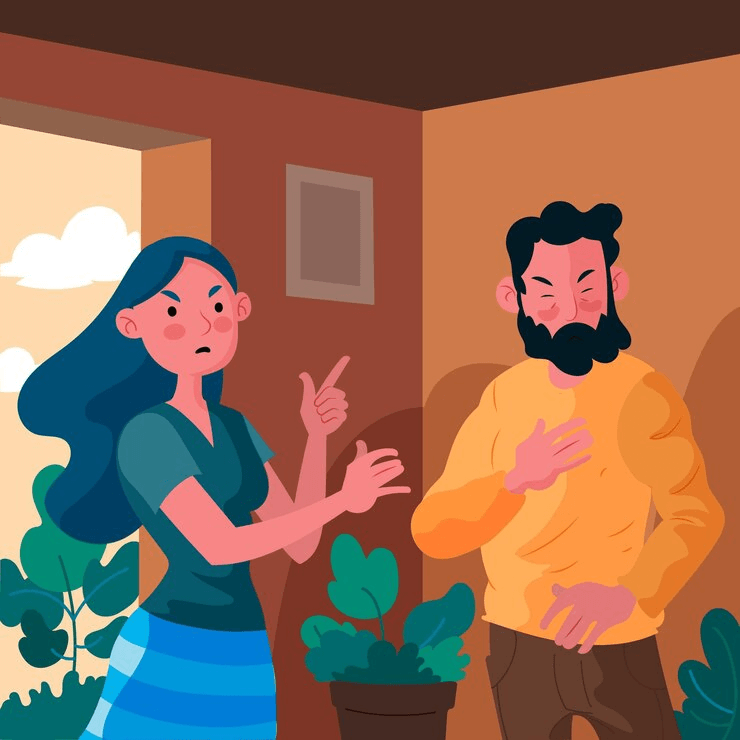
According to Mark, successful relationships aren’t conflict-free; rather, the way couples navigate conflict determines their longevity. “The absence of fighting isn’t a sign of success,” he explains. Instead, thriving couples use conflict as a bridge to deeper intimacy and understanding.
One major reason relationships fail? Many of us enter them without understanding our own emotional wounds. These wounds, often stemming from childhood, play out in our adult partnerships, dictating our expectations and reactions. Mark emphasizes that relationships serve as mirrors, reflecting back to us the areas where we still need to heal.
The Role of Childhood Trauma in Adult Relationships
So many of our relationship struggles stem from unresolved childhood experiences. Mark highlights that we often unconsciously seek partners who replicate the emotional dynamics we experienced growing up.
For instance, if your father was absent or emotionally unavailable, you might find yourself drawn to partners who are distant or hard to reach. Alternatively, if you grew up in a chaotic household, you may subconsciously seek partners who bring a sense of drama or instability. These patterns aren’t random—they are your subconscious mind’s way of trying to “solve” unfinished emotional business. The first step to breaking these cycles? Awareness.
Taking Responsibility for Your Own Healing
One of the hardest but most necessary steps in relationship growth is accepting responsibility for our own emotions and behaviors. Many people resist this because it requires acknowledging painful truths.
Mark states: “It’s not our fault, but it is our responsibility.” We may not be to blame for the wounds we carry, but healing them is on us. This means auditing our relational patterns, seeking therapy or self-work, and making conscious choices to shift old behaviors. It also means breaking free from the belief that another person will “fix” us or fill our emotional voids.
The Danger of Over-Functioning in Relationships
Many people, particularly women, fall into the role of over-functioning in relationships—giving too much, caretaking, and putting everyone else’s needs before their own. Mark warns that over-functioning often leads to resentment, exhaustion, and emotional depletion.
“If you’re feeling resentful, it’s because you’re not prioritizing yourself,” he explains. The antidote? Setting boundaries and allowing others to step up rather than constantly over-extending. True love is not about sacrificing yourself for another—it’s about bringing your fullest, healthiest self to the relationship.
How to Improve Communication and Conflict Resolution
Mark highlights four toxic communication patterns that often lead to breakups or divorces, based on research from The Gottman Institute:
- Criticism – Attacking your partner’s character instead of addressing the specific issue.
- Defensiveness – Refusing to take responsibility or deflecting blame.
- Stonewalling – Shutting down or withdrawing instead of engaging.
- Contempt – Disrespect, eye-rolling, sarcasm, and belittling behaviors.
The key to better communication? Learning to express needs constructively and receiving feedback without defensiveness. Mark suggests using phrases like “I can see some truth in what you’re saying” as a way to de-escalate conflicts and foster deeper understanding.
Breaking Free From Codependency & Trauma Bonds
Many relationships are rooted in trauma bonds—connections formed through shared wounds rather than mutual growth and respect. Mark explains that healing requires moving away from the belief that love means saving or fixing someone.
Instead of looking for a rescuer, we need to learn how to rescue ourselves. This means cultivating self-worth, prioritizing personal growth, and choosing relationships that reflect our highest potential rather than our deepest wounds.
Final Thoughts
Relationships are the ultimate classroom for personal growth, but they require self-awareness, responsibility, and conscious effort. Whether you’re looking to heal past wounds, improve your communication skills, or break free from unhealthy patterns, Mark Groves’ wisdom offers invaluable tools for building deeper and more meaningful connections.
To hear the full conversation, tune in to Heal Squad with Maria Menounos. For more healing and wellness tips, be sure to subscribe to the Heal Squad with Maria Menounos podcast via YouTube or Apple Podcasts.