Marianne Williamson on Anxiety, Intuition, and How to Find Hope in Uncertain Times
Understanding Anxiety: A Call to Action, Not a Condition to Suppress
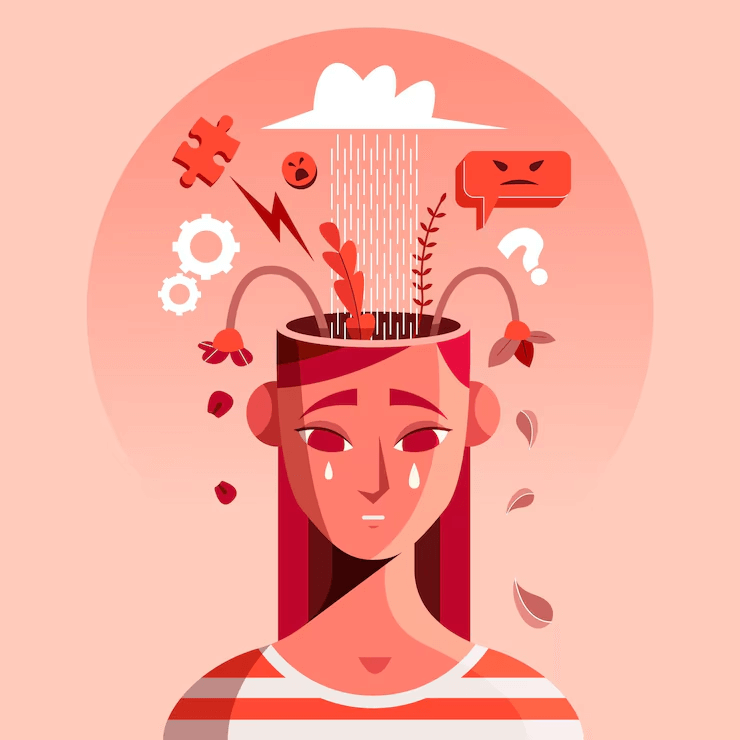
Anxiety has become a pervasive issue in today’s world, especially for women, as noted by best-selling author and spiritual thought leader Marianne Williamson in her conversation on Heal Squad with Maria Menounos. However, Williamson suggests that rather than treating anxiety as an affliction, we should see it as a signal—an intuitive warning that something in our environment is off balance.
“We have developed an aversion to being sad, and it does not serve us,” Williamson explains. “Sometimes, sadness is the appropriate emotion for a sad event. The cure for anxiety is to solve the problems that cause the anxiety.”
In other words, our emotions are telling us something valuable, and suppressing them with distractions or medication might not be the best course of action. Instead, she encourages individuals to listen to their instincts, embrace discomfort, and take actionable steps toward change.
The Power of Women’s Intuition
For generations, women have been told they are “too emotional” or that their fears and gut instincts are irrational. Williamson dismantles this notion and urges women to reclaim their intuitive power. “We used to call it a woman’s intuition,” she says. “Now, we dismiss it, and that’s a huge mistake.”
She shares a personal story about hiring a caregiver for her daughter. Everything seemed fine on the surface, but she felt an unease she couldn’t explain. That unease, she later discovered, was an internal warning system. Our intuition is a gift, not a flaw.
Why Feeling Hopeless is a Sign of Awareness
The overwhelming state of the world—rising inequality, social injustices, and political unrest—has led many people to feelings of despair and hopelessness. But Williamson argues that these emotions are not a sign of weakness; rather, they show awareness.
“If you’re not anxious about what’s happening right now, who are you?” she asks. “You’d have to be a sociopath not to feel something.”
Instead of viewing these feelings as personal problems, she reframes them as a natural response to societal issues—ones that require collective action to solve. Rather than numbing the discomfort, she urges people to channel it into change.
Breaking Free from the ‘Judgment Trap’
A major roadblock to healing is judgment—both of ourselves and others. Many of us engage in self-judgment, believing we are not doing enough or not handling stress correctly. Others pass judgment outwardly, creating division rather than unity.
Williamson suggests taking a “judgment detox” by practicing empathy, shifting perspectives, and recognizing that small efforts matter.
“Even if you go from not donating anything to picking one organization and giving ten dollars a month, that is still something,” she reminds us. “We don’t all have to change the world overnight, but we do have to start somewhere.”
The Role of Women in Leading Change
One of the most powerful takeaways from Williamson’s insights is the essential role women play in societal transformation. Throughout history, women have been at the forefront of movements for change, from suffrage to civil rights. Now, in the face of modern challenges, Williamson believes it is time for women to step into leadership roles and push for solutions.
“The fierce behavior of the adult female when she senses a threat to her cubs is present in all mammalian species,” she says. “It’s time for us to stop looking away and take action.”
Turning Tears into Triumph: A Path Forward
Williamson’s book Tears to Triumph explores how embracing pain can lead to personal and collective healing. She argues that spiritual resilience, faith, and action are key components of overcoming despair.
Her message is clear: Hope is not about waiting for a miracle—it is about stepping up and becoming part of the solution.
“Hope comes from knowing we’re going to handle this,” she says. “We’re going to get through COVID. We’re going to fix our economy. And on the other side, we’ll be better people because we showed up.”
Final Thoughts: A Call to Wake Up
Williamson reminds us that this is our time to rise. Just as past generations faced wars, civil rights battles, and suffrage movements, this generation must navigate its own defining moments.
“We’ve been waiting for someone else to fix things,” she says. “Santa isn’t coming. It’s up to us now.”
For more insights, listen to the full conversation on Heal Squad with Maria Menounos. And for more healing and wellness tips, be sure to subscribe to Heal Squad with Maria Menounos via YouTube or Apple Podcasts.