Are You an Empath? The Signs You May Be Absorbing Other People’s Stress
Some people can walk into a crowded room and thrive on the energy. Others leave feeling exhausted, anxious or desperate for quiet—even when they were having a perfectly good time.
A conversation with a negative person can linger for hours. Loud noises can feel unusually jarring. Someone else’s anxiety can seemingly become your own. And after a day filled with people, meetings and stimulation, being alone can feel less like a preference and more like a necessity.
Psychiatrist and The Empath’s Survival Guide author Dr. Judith Orloff believes these experiences may be particularly common among people she describes as empaths—highly sensitive individuals who are deeply affected by the emotions and stimulation around them.
For Maria Menounos, Orloff’s description sounded remarkably familiar.
“I realized I was one,” Maria said.
She recognized her sensitivity to crowds, noise and other people’s moods, as well as the restorative effect that nature and animals have on her. It also helped explain something that had confused her for years: how someone so outgoing could sometimes feel so overwhelmed by being around people.
According to Orloff, the answer isn’t necessarily becoming less sensitive. It’s learning how to recognize what affects you—and developing boundaries before you become depleted.
What Does It Mean to Be an Empath?
Orloff describes empaths as people who are extremely receptive to the emotions and energy around them.
That can make them compassionate and intuitive, she says, but it can also make overstimulation a problem.
Crowds, excessive noise, intense conversations or prolonged social interaction may become exhausting. Orloff says some empaths are introverted and naturally prefer smaller groups, while others are extroverted and genuinely love socializing—but still need time afterward to recover.
That distinction resonated with Maria.
“I always thought I was an extrovert,” she said. “So I’m like, how can I be an empath? But I definitely get overwhelmed.”
Orloff’s explanation gave her a different way to understand the contradiction.
Being socially outgoing and being sensitive to stimulation aren’t necessarily mutually exclusive.
One Simple Test: Check How You Feel Before and After Seeing Someone
Orloff recommends a straightforward exercise for people trying to understand how strongly they’re affected by others.
Before meeting someone, check in with yourself.
How do you feel physically? Emotionally? Are you calm, energized, tense or tired?
Then notice what happens during the interaction—and check again afterward.
If you felt fine beforehand but consistently leave a particular person anxious, irritable or depleted, Orloff says the pattern may be worth noticing.
Maria has begun paying attention to similar physical cues when she meets people.
If she suddenly feels herself tightening or becoming anxious around someone, she no longer automatically dismisses the reaction.
“I’m starting to get very in tune with when I meet people and I start clenching,” she said.
The exercise isn’t necessarily about immediately blaming someone else for how you feel. It’s about noticing a change that might otherwise pass unnoticed.
When Other People Leave You Drained
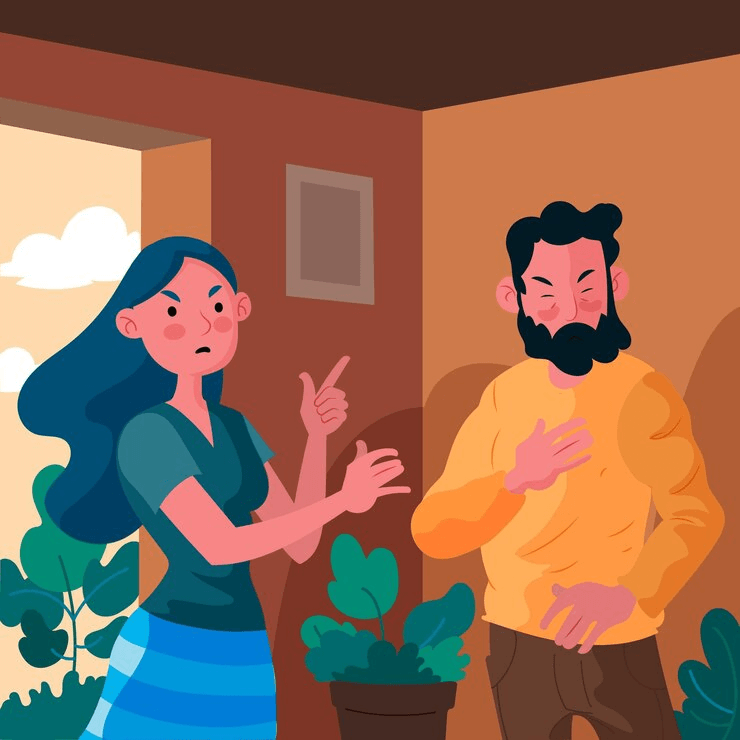
Orloff uses the term “energy vampires” for people whose behavior consistently leaves others feeling depleted.
They may complain incessantly, dominate conversations, criticize, create drama or repeatedly unload their problems without considering the impact on the person listening.
Maria and her husband even developed a private shorthand for recognizing those encounters.
But Orloff makes an important distinction: people shouldn’t only look outward.
Most of us, she says, have probably been energy vampires ourselves at some point.
“We’re all capable of complaining and dumping and criticizing and being negative,” Orloff said.
The question is whether we become aware of it.
That awareness can change the conversation from simply identifying who drains me? to also considering how does my own behavior affect other people?
Why Sensitive People May Need Stronger Boundaries
For someone who is highly empathetic, setting limits can feel uncomfortable.
A friend calls to complain about work. You listen.
Then they complain about their relationship.
You listen again.
The same problem comes up the following week—and the week after that.
You offer suggestions, but the person isn’t necessarily interested in changing anything. They simply want somewhere to put their frustration.
Orloff says caring about someone doesn’t mean you have to provide unlimited access to your attention.
She suggests setting a time limit when necessary: explain that you care about the person but you’re tired and only have a few minutes to talk.
If there’s a genuine crisis, that’s different.
But repeatedly absorbing someone’s problems at the expense of your own well-being isn’t the same thing as being supportive.
For people who struggle with boundaries, Orloff recommends starting small.
Practice saying no in situations where the emotional stakes aren’t enormous. Keep the language simple and avoid becoming combative.
A boundary can be as straightforward as: “I’m sorry, I can’t do that.”
Why Alone Time Can Matter Even If You Love People
One of Maria’s biggest realizations after reading Orloff’s work was that her desire for solitude wasn’t necessarily inconsistent with her outgoing personality.
She decided to deliberately spend time alone.
“I need to be alone,” Maria recalled thinking. “I need to be quiet.”
The result surprised her.
“This feels so good,” she said.
Orloff intentionally builds similar periods into her life, reducing stimulation and giving herself time when she doesn’t have to talk to anyone.
For someone sensitive to other people’s moods, noise and demands, she sees solitude as an opportunity to reset.
The important distinction is that needing time alone doesn’t necessarily mean you dislike being around people.
You may simply need recovery after being around them.
Sensory Overload Can Make Everything Feel Worse
Orloff also warns about making important decisions while overwhelmed.
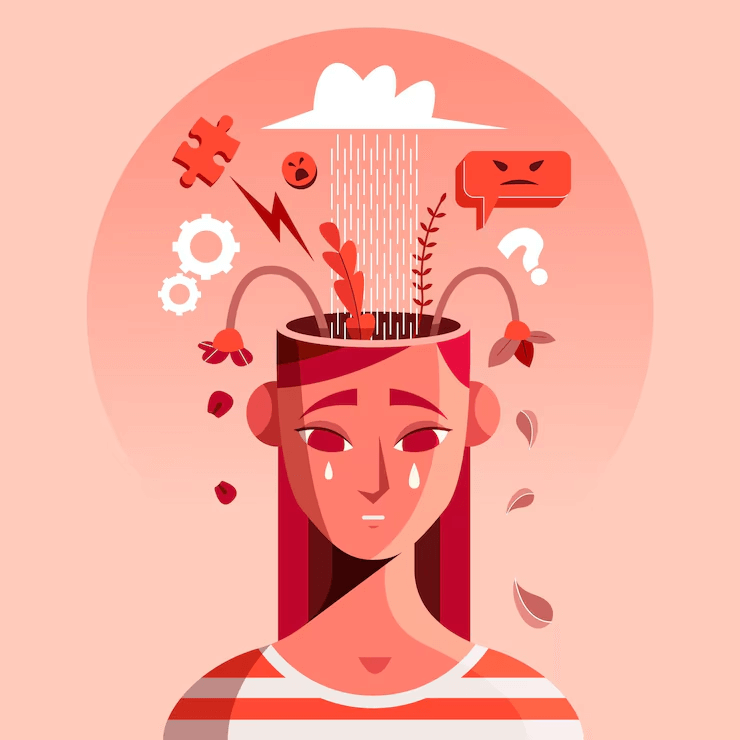
When too many demands, people, sounds or emotions pile up, she says sensitive people can reach a point of sensory overload.
Suddenly everything seems wrong.
The job feels impossible.
The relationship seems unbearable.
The schedule feels unmanageable.
Rather than immediately making a major life decision from that state, Orloff recommends first reducing the stimulation.
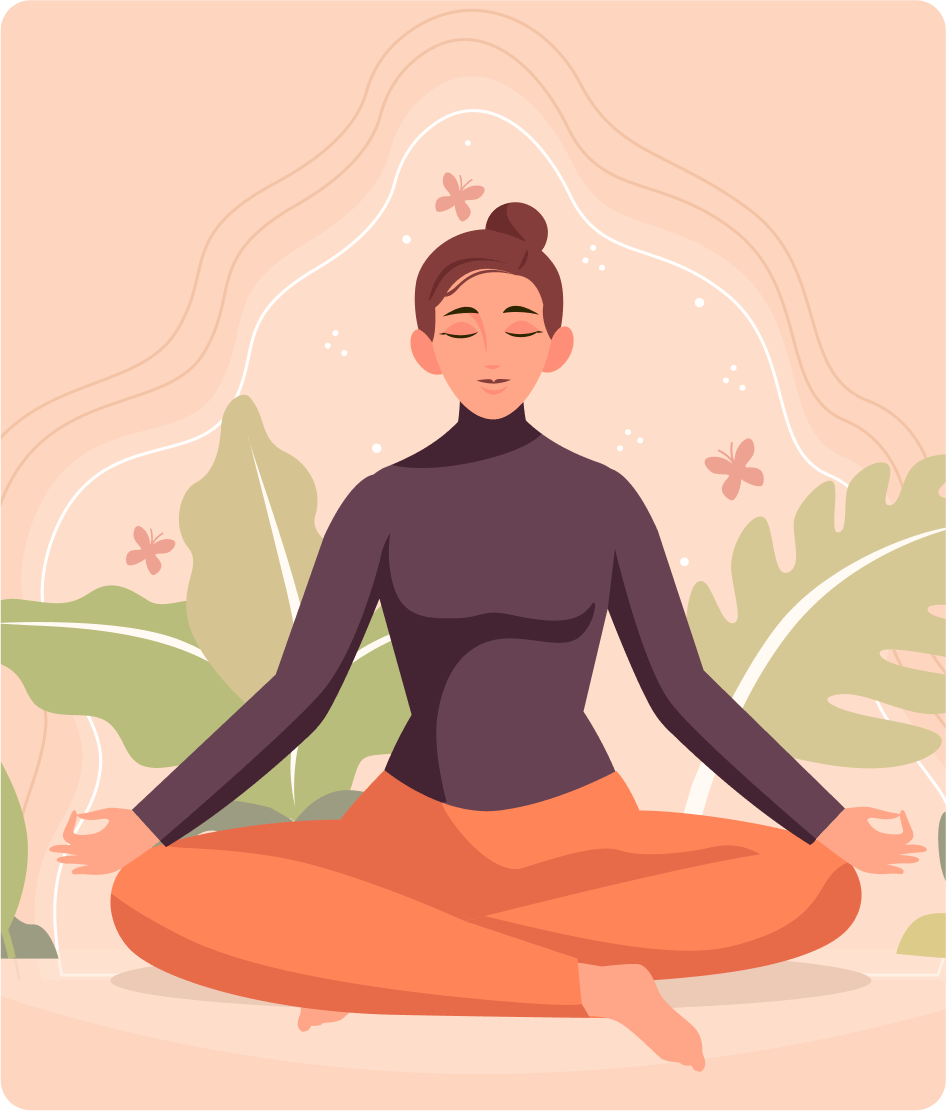
Get quiet. Rest. Meditate. Spend time outside. Take a bath. Step away from the phone.
Then revisit the problem.
Maria has been experimenting with the same idea in her own schedule. Instead of moving relentlessly from one obligation to another, she has started creating more space between commitments and using short meditation or hypnotherapy sessions when she feels overwhelmed.
For her, the change has also meant accepting that the pace she could maintain earlier in life may not be the pace she wants now.
The Way You Start Your Morning May Matter
Orloff sees another common source of overwhelm in the first few minutes of the day.
You wake up.
Look at the calendar.
See a packed schedule.
And immediately think: How am I going to get through all of this?
The day hasn’t actually begun, but mentally you’re already racing through every obligation.
Orloff prefers beginning with a short meditation or quiet moment before confronting everything ahead.
The schedule may not change.
What changes is the state you’re in when you approach it.
Maria recognized the difference in her own experience. She can look at a demanding calendar and immediately feel overwhelmed—or she can approach the same day with the expectation that she will handle each thing as it comes.
Nature Can Provide a Different Kind of Reset
Both Maria and Orloff described nature as particularly restorative.
Animals. Flowers. Water. The moon. Stars. Time outdoors.
Maria recalled spending more time noticing flowers after losing her mother and finding herself almost childlike in her excitement over their beauty.
Orloff similarly described feeling restored by time in nature and by being around animals.
For people who constantly feel bombarded by stimulation, the implication is strikingly simple: sometimes recovery doesn’t require another complicated wellness routine.
It may mean deliberately spending time somewhere that asks less of you.
Boundaries Can Change Relationships, Too
Sensitivity can also affect romantic relationships in ways couples don’t always talk about.
Orloff says some highly sensitive people have trouble sleeping next to someone because of snoring, movement, noise or simply the constant physical proximity.
Rather than assuming separate sleeping arrangements signal a relationship problem, she encourages couples to talk openly about what each person needs.
That could mean a larger bed, separate work spaces or, in some cases, separate bedrooms.
The larger principle is one that appeared repeatedly throughout the conversation:
A healthy boundary doesn’t necessarily push someone away. Sometimes it makes being together easier.
Instead of structuring a relationship around what other people think it should look like, Orloff encourages couples to find arrangements that allow both people to function well.
Sensitivity Doesn’t Have to Be Something You Fix
For people who have spent their lives hearing that they’re too emotional, too affected by others or simply “too sensitive,” Orloff offers a different interpretation.
Sensitivity, she argues, can coexist with strength.
The challenge is learning how to live with it without becoming overwhelmed.
That can mean recognizing when a person consistently leaves you depleted. Saying no before resentment builds. Leaving an event when you’ve had enough. Spending time alone without feeling guilty about it. Creating space between commitments. Or simply noticing that the tension you suddenly feel wasn’t there before you walked into the room.
For Maria, understanding those patterns changed the way she thought about herself.
The goal wasn’t to become someone who feels less.
It was to become better at recognizing what she feels, when it changes and what she needs to do about it.
And for anyone who’s spent years believing sensitivity was a flaw, that may be the more useful question:
What if you don’t need thicker skin? What if you need better boundaries?