Healing Trauma Through Somatic Experiencing with Brian Mahan
Understanding Somatic Experiencing: A New Approach to Trauma Healing
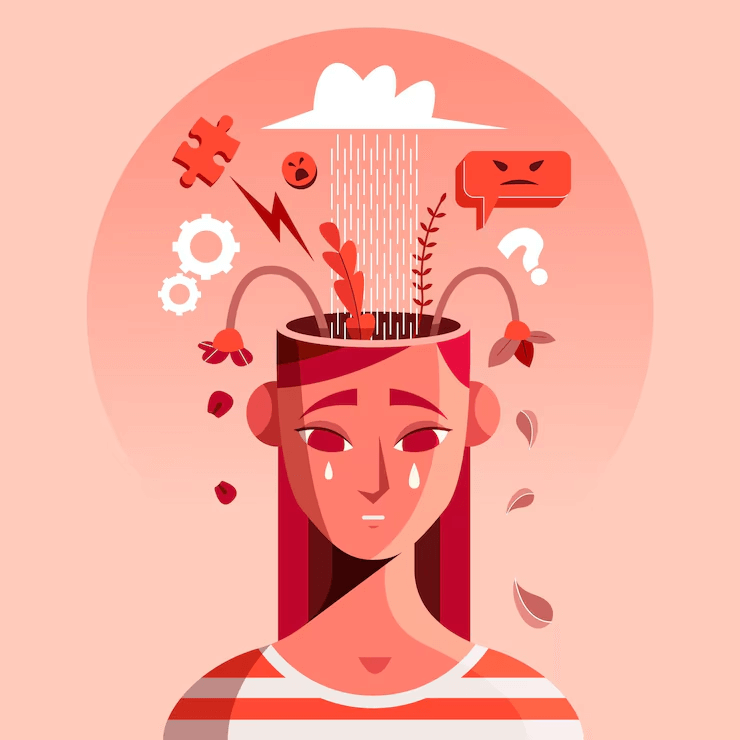
Trauma isn’t just psychological—it’s deeply embedded in our bodies. On Heal Squad with Maria Menounos, somatic experiencing expert Brian Mahan revealed how trauma manifests physically and how we can rewire our nervous system for healing. If you’ve ever felt stuck in old emotional patterns or overwhelmed by stress responses, Mahan’s insights might be the missing key to unlocking a healthier, more resilient mind-body connection.
What is Somatic Experiencing?
Somatic experiencing (SE) is a body-based therapy designed to release stored trauma. Unlike traditional talk therapy, which focuses primarily on emotions and cognition, SE addresses how trauma lingers in the nervous system.
Mahan explains that trauma isn’t just about what happened to us—it’s about what happens inside us as a result. Often, the nervous system gets stuck in a loop, continuously reactivating stress responses long after the traumatic event has passed. SE works by guiding individuals to recognize and regulate these physiological responses, allowing the body to complete the fight, flight, or freeze cycle that was interrupted during the original trauma.
Rewiring the Brain Through Neuroplasticity
One of the most powerful takeaways from Mahan’s work is the concept of neuroplasticity—the brain’s ability to rewire itself. He explains that trauma locks us into habitual patterns of thought, emotion, and behavior, but with conscious effort, we can create new neural pathways.
“We can change our reactions by practicing new patterns,” Mahan says. “It can take up to 400 repetitions to create a new neural pathway—unless done in play. Then, it can take as few as 40.”
This means that engaging in enjoyable, lighthearted activities while forming new habits accelerates the brain’s ability to adapt. Whether it’s celebrating small victories, practicing mindfulness, or engaging in playful movement, these actions can help reshape our stress responses over time.
The Power of Orienting: A Simple Technique for Daily Life
One technique Mahan recommends is orienting—a practice that helps ground you in the present moment and calm the nervous system. By intentionally engaging all five senses, you can signal to your body that you are safe.
How to practice orienting:
- Look at your surroundings—notice colors, shapes, and objects.
- Listen to the ambient sounds around you.
- Smell the air or something nearby with a distinct scent.
- Taste something mindfully, even if it’s just the inside of your mouth.
- Touch different surfaces, noting temperature and texture.
By practicing this simple yet effective technique throughout the day, you reinforce a sense of safety in your nervous system, reducing anxiety and increasing presence.
Trauma and the Body: Why Healing Must Be Physical
Mahan emphasizes that trauma healing must go beyond intellectual understanding. “We’re conditioned to suppress feelings,” he explains. “Big boys don’t cry, keep a stiff upper lip—we hear these messages throughout life, leading us to disconnect from our bodies.”
The problem? When we suppress emotions, they don’t disappear—they get stored in our tissues, leading to chronic tension, anxiety, and even physical illness. SE helps individuals reconnect with their bodies, allowing suppressed emotions to be processed and released in a healthy way.
The Role of Small, Intentional Actions
If you’re overwhelmed by the idea of healing, Mahan reassures that small, intentional actions can make a significant difference. He suggests:
- Placing your running shoes by the door if you want to start exercising.
- Drinking a glass of water first thing in the morning to establish a hydration habit.
- Celebrating small wins—even something as simple as making your bed.
Each small action creates a positive feedback loop, reinforcing healthier behaviors and nervous system regulation over time.
Finding the Right Support
While self-regulation techniques are powerful, Mahan advises working with a trained somatic experiencing practitioner when dealing with deep trauma. “Telling our story over and over can actually re-traumatize us,” he warns. “A skilled practitioner will guide the process safely, ensuring the nervous system discharges stored trauma without overwhelming the individual.”
Final Thoughts
Somatic experiencing is a groundbreaking approach to healing, offering a path to release trauma stored in the body. By engaging in playful neuroplasticity, practicing orienting, and taking small daily steps toward regulation, anyone can begin the journey toward a healthier, more balanced nervous system.
For more insights, tune into Heal Squad with Maria Menounos and explore Brian Mahan’s work at briandmahan.com.
For more healing and wellness tips, be sure to subscribe to the Heal Squad with Maria Menounos podcast via YouTube or Apple Podcasts.