Healing Chronic Pain with the Mind with Nicole Sachs
The Real Cause of Chronic Pain
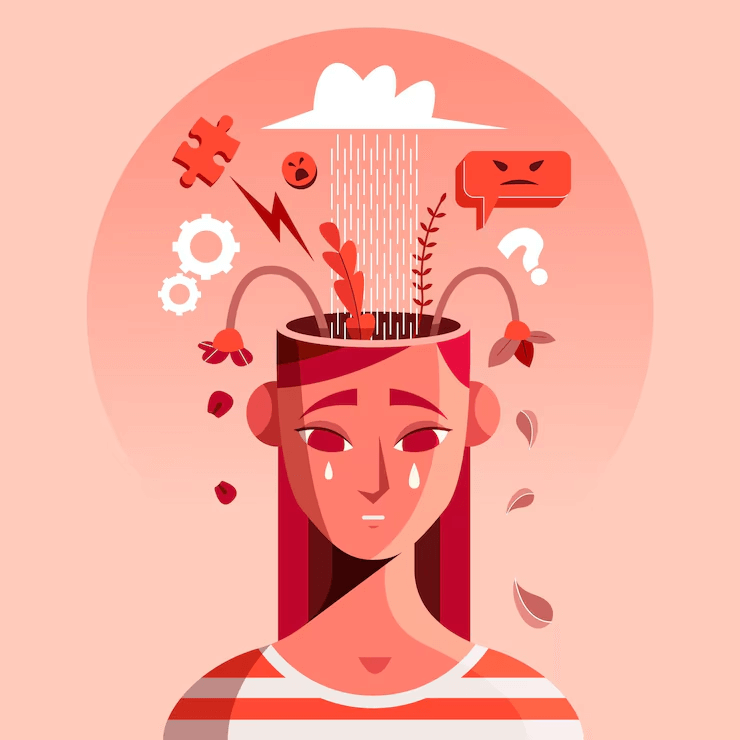
Chronic pain is often misunderstood. Many people believe it’s solely a physical issue—something to be fixed with medication, surgery, or physical therapy. But what if chronic pain isn’t just about the body? According to psychotherapist and mind-body expert Nicole Sachs, pain is real, but its origin is deeply connected to our emotions, repressed feelings, and long-term stress responses.
Sachs, who appeared on Heal Squad with Maria Menounos, shared her personal journey of overcoming debilitating back pain and her discovery that emotional pain often manifests physically. “The pain is not in your head,” she explains. “It is real, but the origin of the pain lives in the mind-body system.”
How Stress and Emotions Manifest in the Body
Chronic stress and emotional repression affect the nervous system, keeping the body in a prolonged state of fight-or-flight. This sustained stress leads to pain signals being sent to certain muscle groups and bodily systems, such as the stomach, back, head, or joints.
Unprocessed emotions—including rage, shame, fear, sadness, regret, and grief—can be trapped in the body, triggering chronic pain conditions. Sachs credits Dr. John Sarno’s work in mind-body medicine as the foundation for her understanding: “Rage is often expressed through back pain, but unresolved emotions can manifest anywhere in the body.”
Nicole Sachs’ Journey: From Chronic Pain to Healing
Sachs’ journey began at 19 when she was diagnosed with a severe spinal condition, spondylolisthesis. Doctors told her she would need surgery, would likely never have children, and would live a life of pain management. Fearful but determined, she followed the traditional medical route—steroids, muscle relaxers, and opioids—until she stumbled upon Dr. Sarno’s book Healing Back Pain.
She conducted a simple self-experiment: Instead of focusing on the physical pain, she asked herself why she was angry or stressed in that moment. To her surprise, her pain started to fade. “That was the spark,” she recalls. “I replaced my fear with curiosity and started to explore what was really happening inside me.”
Through deep self-reflection, journaling, and acknowledging repressed emotions, Sachs eventually became pain-free. She went on to have three children and now helps others overcome their own chronic pain through her program, The Cure for Chronic Pain.
Journaling: The Key to Unlocking Repressed Emotions
One of the most effective tools Sachs recommends is journaling—specifically, a practice she calls Journal Speak. This technique involves:
- Writing honestly and without a filter: Get your raw emotions out on paper.
- Exploring past and present emotional triggers: Sachs suggests making three lists: childhood experiences, current life stressors, and personality traits that may contribute to repressed emotions.
- Letting go of what you write: The goal is to process—not dwell on—these emotions. Sachs advises destroying or deleting the journal entry after writing.
According to Sachs, this daily practice rewires the nervous system, shifting the body from a state of fight-or-flight to rest and repair. Over time, pain dissipates as the nervous system stops interpreting repressed emotions as a physical threat.
The Role of Personality in Chronic Pain
Certain personality traits make people more prone to chronic pain, including:
- People-pleasers who put others before themselves
- Perfectionists who hold themselves to impossibly high standards
- Those who suppress their emotions rather than express them
Sachs explains that many chronic pain sufferers are carrying unresolved emotional burdens from childhood, family dynamics, or traumatic experiences. “The nervous system perceives repressed emotional pain as more dangerous than physical pain,” she says. “So it redirects the emotional pain into symptoms.”
Chronic Pain, Anxiety, and Autoimmune Disorders
Sachs’ work goes beyond traditional back pain. She has helped people suffering from migraines, fibromyalgia, autoimmune diseases, irritable bowel syndrome (IBS), and even infertility by uncovering emotional connections to their symptoms.
She also highlights the rise of Long COVID, which shares many traits with chronic pain syndromes. Many Long COVID sufferers experience fatigue, brain fog, body pain, and shortness of breath—all symptoms Sachs associates with the nervous system being stuck in fight-or-flight mode. “Your nervous system thinks it’s keeping you safe,” she explains. “But when we process repressed emotions, symptoms improve or disappear altogether.”
Breaking Free: How to Heal Chronic Pain
Sachs emphasizes that you don’t need to change your external circumstances to heal—just your awareness of what’s inside you. Here are her core principles for healing:
- Believe: Acknowledge that pain is real but also deeply connected to emotional suppression.
- Do the Work: Commit to daily journaling, self-reflection, and emotional processing.
- Practice Patience and Self-Kindness: Healing is a journey, and self-compassion is key.
Final Thoughts
Sachs’ message is clear: Your body is not betraying you. It’s trying to protect you. Chronic pain isn’t just physical; it’s often a response to emotional suppression. By acknowledging and processing repressed emotions, you can move out of survival mode and into a state of healing.
To dive deeper into Nicole Sachs’ work, visit The Cure for Chronic Pain website, listen to her podcast, or join her Journal Speak community.
For more healing and wellness tips, be sure to subscribe to the Heal Squad with Maria Menounos podcast via YouTube or Apple Podcasts.