The Science of Love: Relationship Expert Mark Groves on Healing, Growth, and Connection
Understanding Relationships with Mark Groves
Relationships are the foundation of human connection, shaping our emotional well-being, personal growth, and overall life satisfaction. On a recent episode of Heal Squad with Maria Menounos, human connection specialist Mark Groves shared his insights on why some relationships thrive while others crumble, how childhood wounds shape our romantic choices, and the key to lasting love. If you’ve ever struggled with relationships, over-functioning, or emotional patterns, this conversation is packed with revelations that can transform your love life.
Why Do Some Relationships Last While Others Fall Apart?
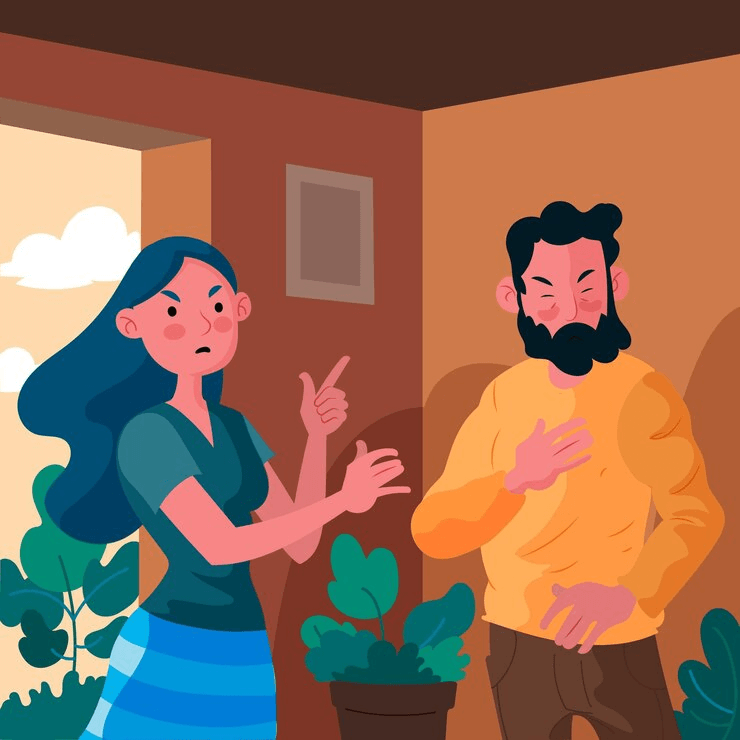
One of the biggest misconceptions about successful relationships is that they are free of conflict. According to Groves, the healthiest couples don’t avoid conflict; they navigate it skillfully. Conflict, when handled correctly, serves as a bridge to deeper intimacy.
“Your ability to navigate conflict and the depth of your relationship is far more indicative of success than the number of years you’ve been together,” Groves explains.
Unfortunately, many of us grow up without learning how to handle relational tension. We inherit communication patterns from our families and often repeat the same unhealthy cycles. Without self-awareness, we unconsciously seek out partners who trigger our deepest wounds, hoping to resolve them through our romantic relationships.
The Role of Childhood Trauma in Adult Relationships
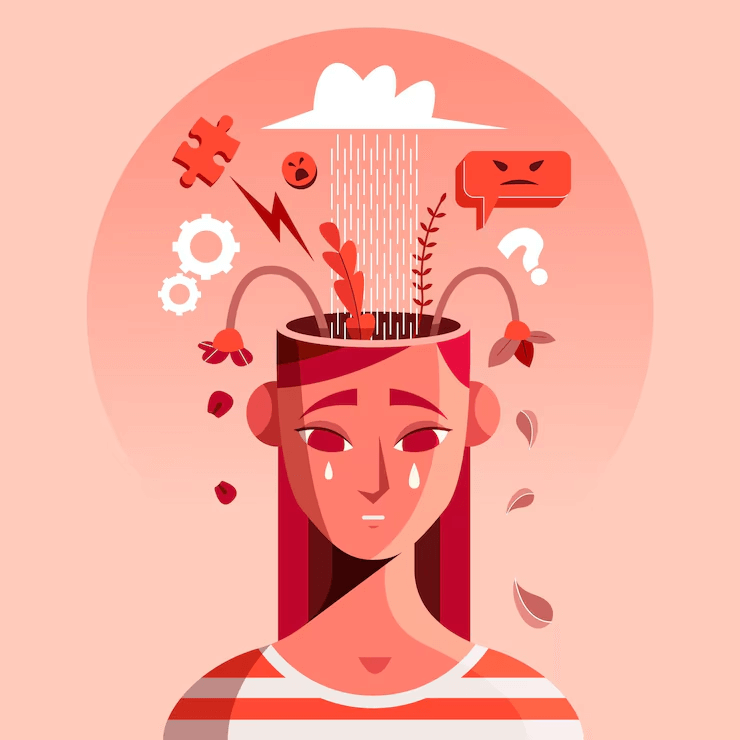
Many people unknowingly seek partners who mirror the emotional wounds of their caregivers. Groves describes how unmet childhood needs create patterns that repeat in our romantic lives.
For instance, if your father was emotionally unavailable, you may find yourself drawn to partners who are distant or inconsistent. Conversely, if your childhood was marked by overbearing caretakers, you might feel suffocated in relationships with partners who offer stability and commitment.
“The wounds we don’t heal will show up in our relationships,” Groves says. “If toxicity and unreliability were normal for you as a kid, they’ll feel normal to you as an adult.”
This is why many people fall into cycles of chasing love from those who can’t fully reciprocate, mistaking anxiety for chemistry. True healing begins with identifying and addressing these patterns so we can consciously choose healthier relationships.
Taking Responsibility for Your Relationship Patterns
One of the hardest but most necessary steps in improving our relationships is taking responsibility for our patterns. Groves emphasizes that while our past experiences may not be our fault, healing is our responsibility.
“We are the common denominator in all of our relational outcomes,” he says. “It’s painful to recognize, but it’s also incredibly empowering.”
Instead of blaming partners or external circumstances, Groves suggests asking reflective questions like:
- What relationship patterns keep showing up in my life?
- What type of partners am I attracted to, and why?
- What emotional needs were unmet in my childhood, and how do they influence my adult relationships?
By doing this work, we can break free from destructive cycles and create healthier, more fulfilling partnerships.
Over-Functioning in Relationships: The Silent Burnout
Many people—especially women—struggle with over-functioning in relationships, constantly putting others’ needs before their own. This often leads to burnout, resentment, and emotional depletion.
“Resentment is a sign that you are not prioritizing yourself,” Groves warns. “Caretaking and over-functioning are often survival strategies we learned as kids, but as adults, they drain us.”
The key to breaking this pattern is to set boundaries and prioritize self-care without guilt. Groves suggests shifting from over-functioning to balanced giving by:
- Allowing partners to take responsibility for their own needs
- Recognizing that being “needed” isn’t the same as being “loved”
- Learning to say no without fear of rejection
When we stop overextending ourselves, we create space for healthier, more reciprocal relationships.
Healing Through Self-Awareness and Growth
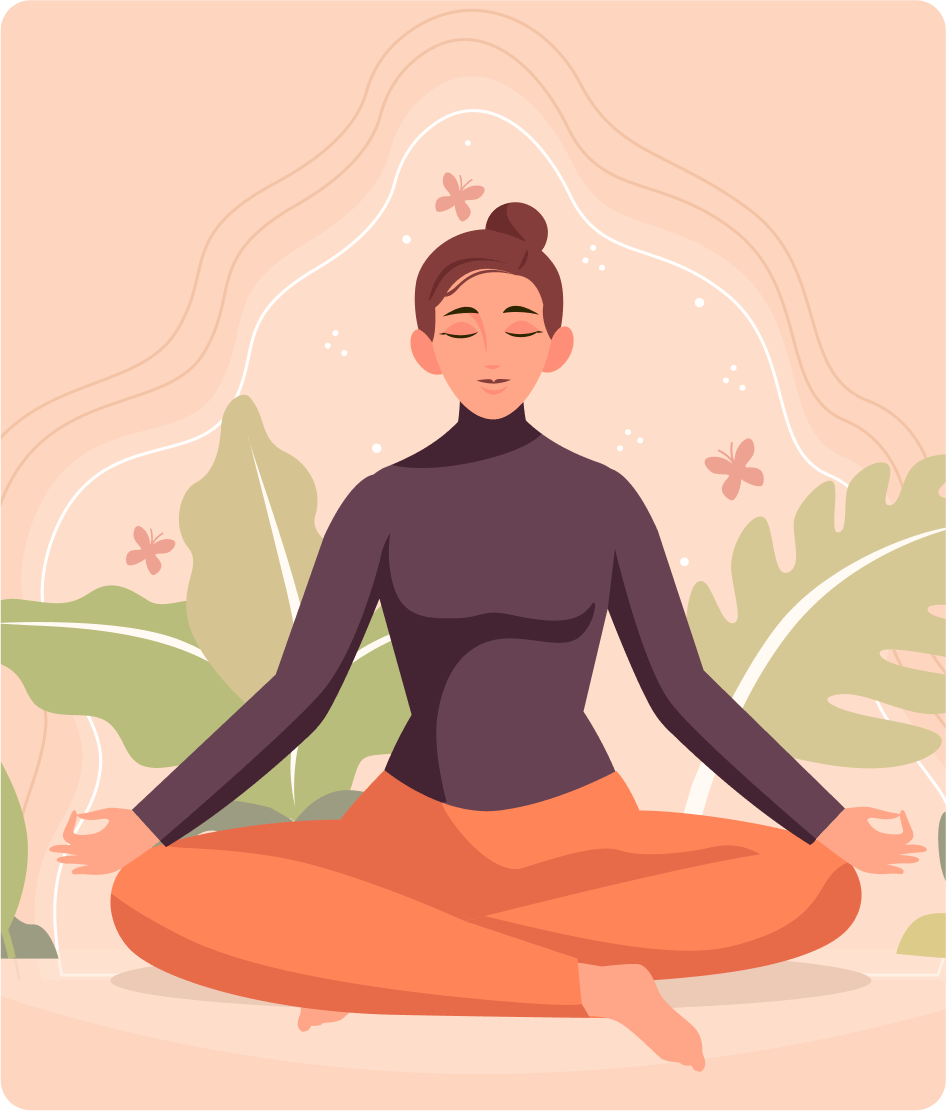
True transformation in relationships happens when we become aware of our unconscious behaviors and make intentional changes. Groves stresses that healing requires both self-compassion and a willingness to step outside our comfort zones.
“Living in integrity with your knowledge means implementing the changes you know you need to make,” he says. “If you don’t, you’re just carrying around awareness without action.”
If we want deeper connections, we have to do the hard work of confronting our fears, setting boundaries, and choosing partners who align with our healed selves—not our wounded ones.
Final Thoughts
Mark Groves’ wisdom serves as a powerful reminder that relationships are not about finding the perfect person but about becoming the best version of ourselves. When we take responsibility for our patterns, prioritize self-care, and cultivate emotional awareness, we can create relationships that are not just surviving but thriving.
To hear the full conversation with Mark Groves and gain more relationship insights, tune into Heal Squad with Maria Menounos. For more healing and wellness tips, be sure to subscribe to the Heal Squad with Maria Menounos podcast via YouTube or Apple Podcasts.