How to Heal Relationship Trauma with Mark Groves: Introduction
Relationships are at the heart of everything we do, shaping our emotional well-being, personal growth, and even our health. On Heal Squad with Maria Menounos, human connection specialist Mark Groves shared profound insights into why some relationships thrive while others falter. From understanding our unmet childhood needs to overcoming patterns of over-functioning and codependency, Groves dives deep into the art of self-awareness, communication, and connection. If you’ve ever wondered why you keep attracting the same kind of relationships or struggle with expressing your needs, this episode is packed with game-changing revelations.
What Is a Human Connection Specialist?
Mark Groves, the founder of Create The Love, defines himself as a “human connection specialist,” someone who studies why relationships work—or don’t. His journey began in the corporate world of sales, where he learned how behavioral psychology influences decision-making. However, a painful breakup led him down the path of understanding relationships on a deeper level.
Through his podcast, Instagram, and coaching programs, Groves helps individuals make sense of love, communication, and self-sabotaging behaviors. He believes that the key to thriving relationships lies in self-awareness and breaking unconscious relational patterns.
Why Some Relationships Succeed and Others Fail
What separates long-lasting, fulfilling relationships from those that crash and burn? According to Groves, successful relationships aren’t conflict-free but rather navigate conflict differently.
Key Traits of Thriving Couples:
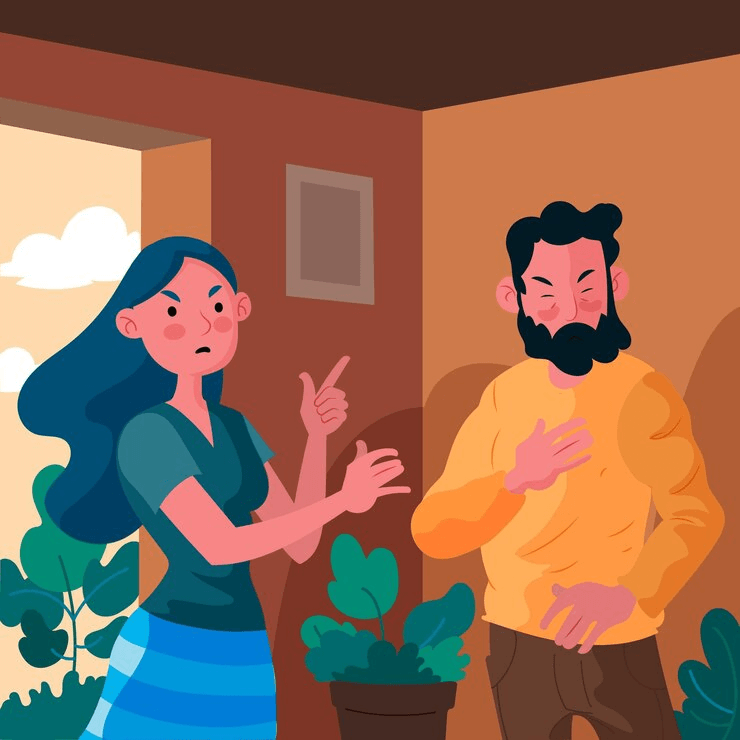
- Conflict as a Bridge to Intimacy – The healthiest couples don’t avoid conflict but use it as a tool for deeper understanding.
- Commitment to Repair – Leaving a partner in pain after an argument erodes trust. Strong couples prioritize repairing emotional wounds quickly.
- Self-Awareness in Conflict – Arguments aren’t just about what’s said in the moment. Often, they stem from unresolved childhood traumas and unmet emotional needs.
“Our relationships are where our childhood wounds show up—and where they need to be healed,” Groves explains.
The Hidden Impact of Childhood Trauma on Relationships
Many of our relationship struggles stem from our early life experiences. Without realizing it, we often recreate the emotional patterns we observed growing up.
Signs Your Childhood Is Influencing Your Relationships:
- You’re drawn to emotionally unavailable partners because a parent was absent.
- You seek validation through over-functioning, as you were taught that love is earned through service.
- You avoid expressing emotions because vulnerability wasn’t welcomed in your family.
“We don’t just inherit eye color and height; we also inherit relational patterns,” Groves says. The key is recognizing these cycles and consciously working to break them.
Taking Responsibility for Your Patterns
Self-awareness is crucial in breaking toxic relationship cycles. But it requires radical responsibility.
How to Start:
- Identify Your Patterns – Reflect on recurring relationship struggles. Are you always the caretaker? Do you push people away?
- Acknowledge Your Role – Instead of blaming others, recognize how your actions contribute to relationship dynamics.
- Take Small Steps – If you’re an over-functioner, practice setting boundaries. If you shut down during conflict, try expressing one feeling at a time.
“It’s not your fault, but it is your responsibility,” Groves reminds us. Growth begins the moment you decide to change.
How Over-Functioning Can Destroy Relationships
Over-functioners are the fixers, the caretakers, the ones who put everyone else first—but at a great personal cost.
The Problem with Over-Functioning:
- Leads to burnout and resentment.
- Attracts under-functioning partners who rely on you too much.
- Creates a one-sided relationship dynamic where your needs are never prioritized.
If this sounds familiar, Groves recommends Harriet Lerner’s The Dance of Intimacy, which explores how to step back and allow others to step up.
Breaking Free from Trauma Bonds
Many relationships form through unconscious trauma bonds, where two people connect over shared wounds rather than true compatibility.
Signs of a Trauma Bond:
- A deep emotional connection that feels “fated” but is rooted in dysfunction.
- A cycle of highs and lows, where love and pain coexist.
- A sense of addiction to the relationship, even when it’s harmful.
The way out? Awareness. “If you always attract emotionally unavailable people, ask yourself: Where in my past did I first experience emotional unavailability?” Groves advises.
The Importance of Individuality in Relationships
One of the biggest threats to long-term desire and connection is losing your sense of self within a relationship.
Maintaining Your Identity While in Love:
- Pursue hobbies and interests that are uniquely yours.
- Encourage your partner’s independence.
- Embrace the space between you—this is where attraction lives.
“When we maintain our own identity, we bring a more vibrant, fulfilled version of ourselves to the relationship,” Groves says.
Final Thoughts: Living in Integrity with Your Knowledge
Knowledge is powerful, but only if applied. Groves challenges us to live in integrity with what we learn about ourselves. “If you know something isn’t serving you, you owe it to yourself to change it,” he says.
This episode of Heal Squad with Maria Menounos is packed with invaluable insights into love, self-awareness, and breaking free from limiting patterns. Take notes, reflect, and most importantly—apply what you’ve learned.
For more healing and wellness tips, be sure to subscribe to Heal Squad with Maria Menounos via YouTube or Apple Podcasts.