How to Change Your Thoughts and Break Free From the Patterns Keeping You Stuck
Most of us want something in our lives to change.
We want to feel less stressed. Stop worrying so much. Have more energy. Improve our relationships. Let go of anger. Become healthier. Feel happier.
But then we wake up tomorrow and think the same thoughts, react to the same people, follow the same routines and feel many of the same emotions.
According to Dr. Joe Dispenza, that’s where change has to begin.
In this Heal Squad conversation, Maria Menounos sits down with Dr. Dispenza after attending one of his week-long events and experiencing what she describes as a profound personal transformation. Together, they explore meditation, habits, emotional patterns and what it means to consciously practice becoming a different version of yourself.
His basic premise is surprisingly simple:
If you want your life to change, you have to become aware of the thoughts, behaviors and emotional patterns you’re bringing into it.
Your Personality Helps Create Your Personal Reality
One of Dispenza’s central ideas is that your personality is made up of how you think, how you act and how you feel.
If you continually think the same thoughts, make the same choices, behave in the same ways and experience the same emotions, your life can become increasingly predictable.
Over time, those responses can become automatic.
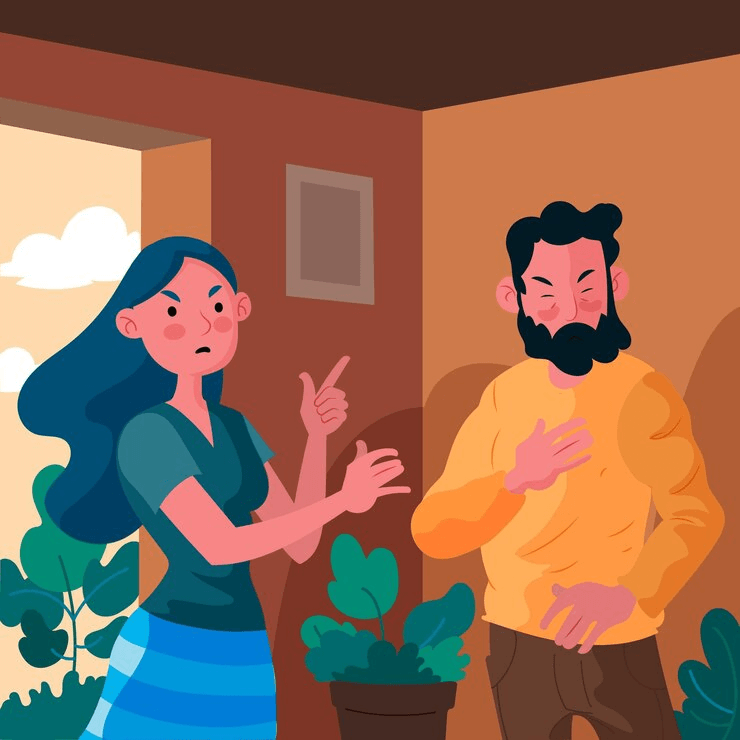
You don’t decide to become irritated. You’re irritated before you’ve even thought about it.
You don’t choose to worry. The worry simply starts.
You don’t consciously reach for your phone. Your hand is already moving.
Dispenza describes these as programs we’ve practiced so many times that they begin running without our conscious involvement.
And that’s why wanting to change isn’t always enough.
First, you have to see the program.
You Can’t Change a Pattern You Don’t Notice
Think about some of the thoughts you have regularly.
I can’t do this.
Things never work out for me.
I’m too busy.
I don’t have enough time.
Why does this always happen to me?
Now consider your behaviors.
Do you complain?
Blame?
Judge?
Make excuses?
Automatically reach for a distraction whenever you’re uncomfortable?
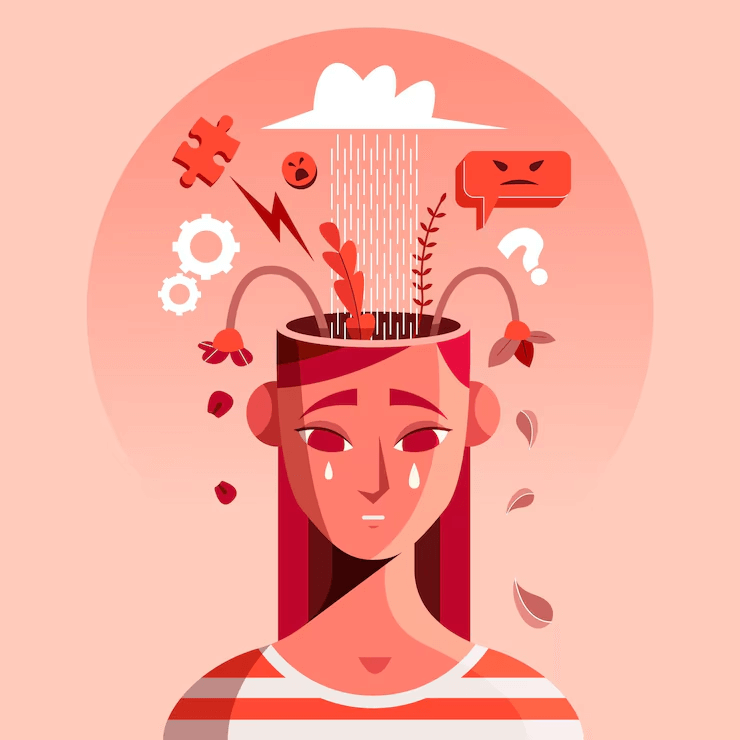
And then there are the emotions you may have become accustomed to feeling: worry, resentment, guilt, frustration, fear or unworthiness.
Dispenza’s approach begins with becoming conscious of these patterns rather than allowing them to operate unnoticed.
That awareness creates a small but incredibly important space:
You can notice your old response without automatically becoming it.
Why Change Can Feel So Uncomfortable
There’s a reason you can decide to change and then find yourself doing exactly the same thing three days later.
The familiar is comfortable—even when you don’t particularly like it.
Dispenza describes a habit as a set of automatic thoughts, behaviors and emotions acquired through repetition. Eventually, he argues, the body can become so accustomed to the routine that it seems to know what to do before the conscious mind gets involved.
So when you interrupt the pattern, discomfort can show up.
You decide not to react.
Something inside you wants to react.
You sit down to meditate.
Suddenly you desperately need to check your phone.
You decide not to worry.
Your mind gives you 15 excellent reasons you should be worrying.
That discomfort doesn’t necessarily mean you’re failing.
It may simply mean you’re doing something unfamiliar.
Meditation Is Practice for Real Life
Maria openly admits that meditation hadn’t come easily to her.
She had tried different forms and struggled with sitting still. But after immersing herself in Dispenza’s teachings and attending his event, she says meditation began to feel completely different.
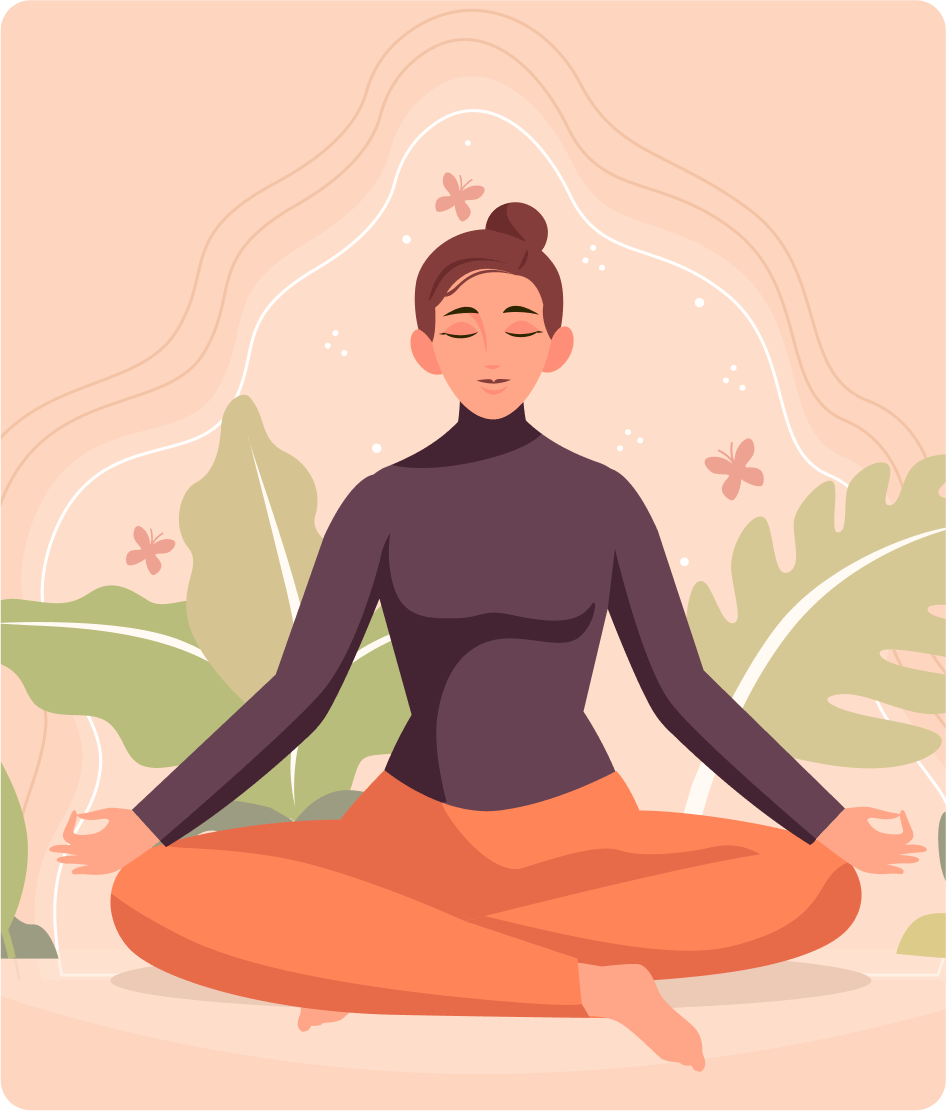
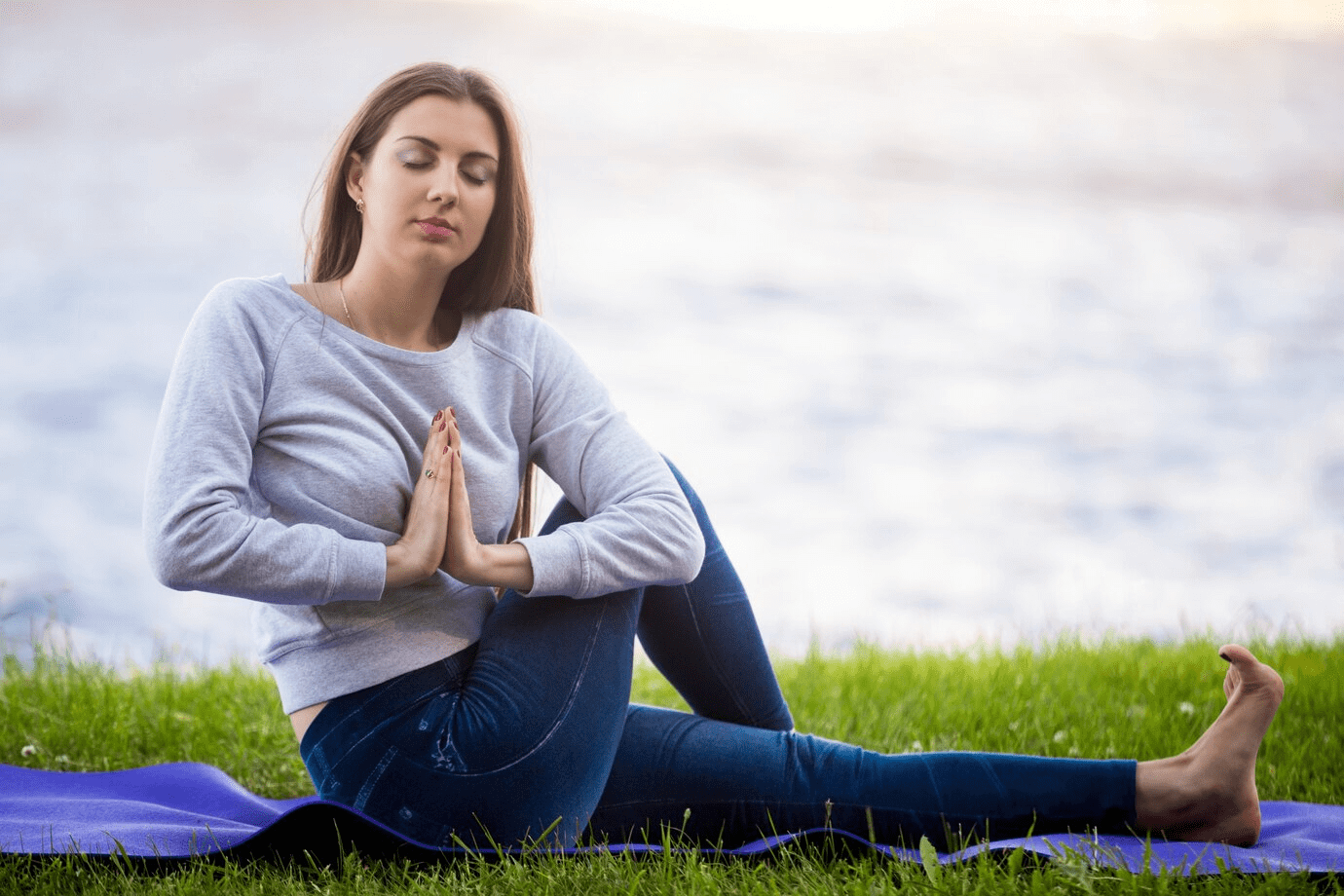
Dispenza explains meditation not simply as relaxation, but as an opportunity to observe yourself without all the usual stimulation of daily life.
You close your eyes.
You remove some of the distractions.
And sooner or later, your familiar patterns appear.
Impatience.
Restlessness.
Memories.
Worry.
The urge to get up.
The desire to check your phone.
Instead of immediately responding, you practice bringing yourself back to the present.
In that sense, the meditation itself isn’t the ultimate goal.
You’re practicing how you want to respond when your eyes are open.
Decide Who You Want to Be Before the Moment Arrives
One of the most practical ideas in the conversation is mental rehearsal.
Rather than waiting for a difficult situation and hoping you’ll magically respond differently, Dispenza suggests rehearsing the person you want to be beforehand.
Imagine an ordinary day.
How do you want to respond to your family?
How do you want to handle a difficult coworker?
What happens when you’re stuck in traffic?
How will you react when something doesn’t go according to plan?
What would patience look like?
What would confidence look like?
What would compassion look like?
What would the best version of you actually do?
The point isn’t simply to fantasize about a perfect future.
It’s to practice a different response before you need it.
Stop Waiting for the Future to Give You Permission to Feel Good
There’s another pattern many of us know well:
I’ll be happy when…
When I make more money.
When I meet someone.
When I get the job.
When my health improves.
When this stressful period ends.
When everything finally settles down.
We’re waiting for something outside ourselves to change how we feel inside.
Dispenza challenges that order. He encourages people to practice generating emotions such as gratitude, joy, wholeness and empowerment before the external circumstances arrive.
Whatever you think about some of the broader claims discussed in the episode, there’s a useful everyday question underneath them:
How much of the way I want to feel am I postponing until something else happens?
Pay Attention to Where Your Energy Goes
This became one of Maria’s biggest realizations.
She describes imagining that she has a limited amount of energy available each day—and noticing how much of it she had been spending on anger, stress, fear, worry and annoyance.
By afternoon, she was exhausted and relying on coffee to keep herself moving.
So she began asking a different question:
How do I want to use my energy today?
That’s a powerful exercise even without adopting every theory discussed in the conversation.
Think of your own daily “energy budget.”
How much goes toward something you cannot control?
How much goes toward replaying an argument?
Anticipating something that hasn’t happened?
Being irritated by another person’s behavior?
Scrolling?
Comparing?
Worrying?
Now ask:
Where would I rather spend it?
The Real Test Happens With Your Eyes Open
You can feel peaceful during a meditation and still lose your temper five minutes later.
That’s why Dispenza says the real goal is to become so practiced at creating a different internal state with your eyes closed that you can maintain it with your eyes open.
Maria describes getting that opportunity in real life.
While waiting for her husband during a medical procedure, she received a call saying an alarm had gone off at one of their buildings and someone may have broken in.
Historically, a situation involving safety could have sent her directly into fear and worry.
This time, she handled what she could—asking for police to be sent—and then made a conscious decision not to spend the waiting period catastrophizing about what might be happening.
It turned out to be an employee entering the building.
For Maria, the victory wasn’t that nothing bad happened.
The victory was that she changed her response before she knew the outcome.
Catch Yourself in the Moment
This may be one of the most immediately useful practices from the entire conversation.
When something triggers your familiar response, notice it.
You’re getting annoyed.
Catch it.
You’re beginning to catastrophize.
Catch it.
You’re reaching for your phone because you’re uncomfortable.
Catch it.
You’re replaying something someone said yesterday.
Catch it.
Then ask:
Do I want to keep rehearsing this version of myself?
You don’t have to become perfectly calm.
You don’t have to pretend you’re not angry.
You’re simply creating an opportunity to choose what happens next.
That’s where change starts becoming something you practice rather than something you hope for.
You Don’t Have to Wait for a Crisis to Change
People often make their biggest changes after something goes wrong.
A health scare.
A breakup.
Burnout.
A loss.
A career crisis.
Dispenza asks why we should have to wait.
Why not change from inspiration rather than desperation?
You don’t need your life to fall apart before examining what’s no longer working.
You can decide that you’re tired of carrying the same anger.
That worry isn’t helping.
That a habit doesn’t serve you anymore.
That you want to respond differently.
That you’re ready to stop allowing yesterday’s patterns to automatically become tomorrow’s life.
A Note About Healing Claims
The conversation includes extraordinary personal stories and claims about meditation, cancer and other serious medical conditions. Those experiences are part of what Maria and Dispenza discuss, but they shouldn’t be interpreted as evidence that meditation can cure cancer, Parkinson’s disease, ALS or other illnesses, or as a substitute for medical treatment.
Meditation and stress-management practices can be valuable parts of overall well-being, but serious medical conditions require appropriate evaluation and treatment from qualified healthcare professionals.
You can explore the mind-body connection without turning it into an either/or choice between emotional well-being and medical care.
Your Move
Tomorrow, don’t try to change your entire life.
Pick one pattern.
Maybe it’s worry.
Impatience.
Complaining.
Reaching for your phone.
Getting defensive.
Assuming the worst.
Notice the moment it begins.
Then ask yourself:
If I weren’t running the old program right now, how would I choose to respond?
Practice that response once.
Then practice it again.
Because lasting change may not begin with becoming an entirely new person.
It may begin with one moment when the old version of you automatically wants to take over—and you choose something different.