Healing Your Inner Child, Breaking Trauma Bonds and Emotional Addiction with Dr. Nicole LePera
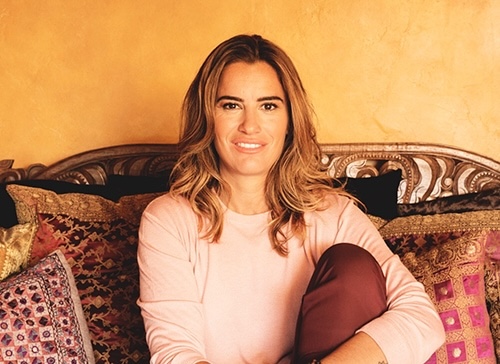
We all carry the lessons, habits, and emotional patterns of our childhood into adulthood—often without realizing it. On Heal Squad with Maria Menounos, holistic psychologist Dr. Nicole LePera explains how our early experiences shape our ability to meet our physical, emotional, and spiritual needs. If you’ve ever felt stuck in repetitive cycles of stress, anxiety, or toxic relationships, this conversation is packed with insights on healing your inner child and breaking free from trauma bonds.
Why We Get Stuck in Repetitive Emotional Patterns
Dr. LePera emphasizes that from childhood, we learn how to meet our needs based on the behaviors modeled by caregivers. However, our caregivers were also shaped by their own upbringing, passing down incomplete or even harmful emotional patterns.
“We are limited by what our caregivers know,” she explains. “I can’t teach someone something that I don’t even know myself.”
This leads to autopilot behavior—where we unconsciously repeat old emotional patterns, regardless of whether they serve us. “We are endlessly repeating a past from how we’re acting to what we’re thinking to how we’re feeling,” Dr. LePera says. “And we’re not living in consciousness.”
The First Step to Healing: Consciousness
Healing begins with developing a new habit of consciousness—an awareness of our habitual thoughts and reactions. According to Dr. LePera, 90–95% of our daily behaviors are on autopilot, running on ingrained programming.
“The first and most foundationally important tool is developing a new habit of consciousness,” she says. “Because when we observe ourselves, we can begin to see the patterns.”
To break free from autopilot, she suggests:
- Practicing meditation to cultivate mindfulness.
- Creating conscious check-ins throughout the day to observe emotional states.
- Using gratitude journaling to shift perspective from reactive to intentional living.
Emotional Addiction: Why We Keep Returning to Stress
One of the biggest revelations in the conversation was the concept of emotional addiction. Dr. LePera explains how our bodies become conditioned to familiar emotional states—even when they are harmful.
For example, if stress was a dominant emotion in childhood, we subconsciously seek out or create stressful situations in adulthood because they feel familiar. This is why, even when things are going well, some people suddenly feel uncomfortable or restless.
“I used to say I just wanted peace,” Dr. LePera shares. “Yet, when I had a peaceful moment on my couch, I would suddenly feel so agitated. I would either start cleaning my house top to bottom or pick a fight with my partner. I had to create stress because that’s what felt familiar.”
The key to breaking this cycle is recognizing when we’re being pulled toward familiar emotional states and making a conscious effort to sit with new emotions, rather than immediately reacting.
Breaking Trauma Bonds in Relationships
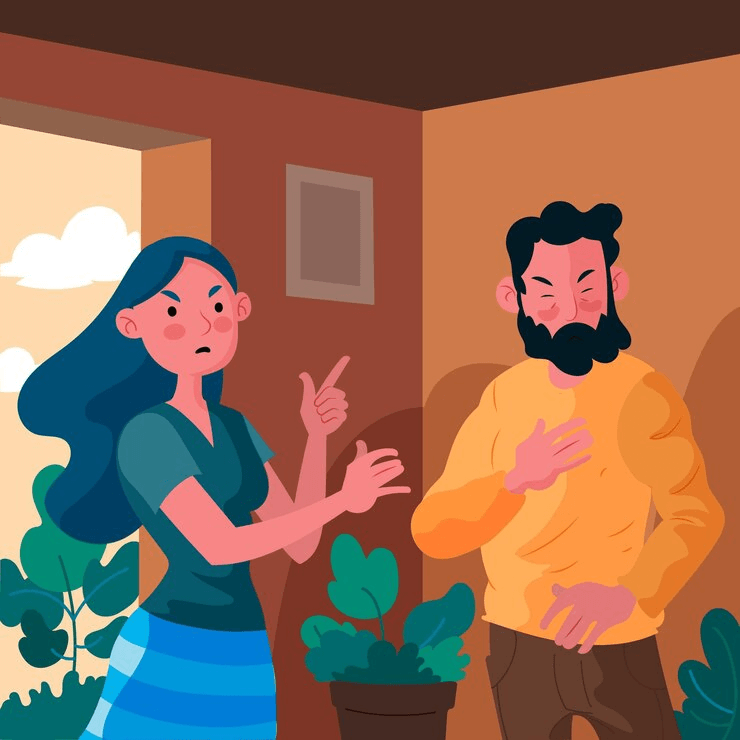
Many of us form trauma bonds—relationships rooted in the emotional patterns of our childhood. Whether it’s becoming a caretaker, craving validation, or attracting emotionally unavailable partners, these patterns often stem from early conditioning.
“What we learned in childhood becomes the way we attempt to meet our needs in adulthood,” Dr. LePera says.
To shift out of a trauma bond, she recommends:
- Observing your relationship patterns—Are you repeating the same roles in different relationships?
- Setting emotional boundaries—Learn to say no to relationships that require self-sacrifice to feel “worthy.”
- Developing self-awareness—Recognize when you’re reacting from childhood conditioning rather than present reality.
The Body’s Role in Trauma Healing
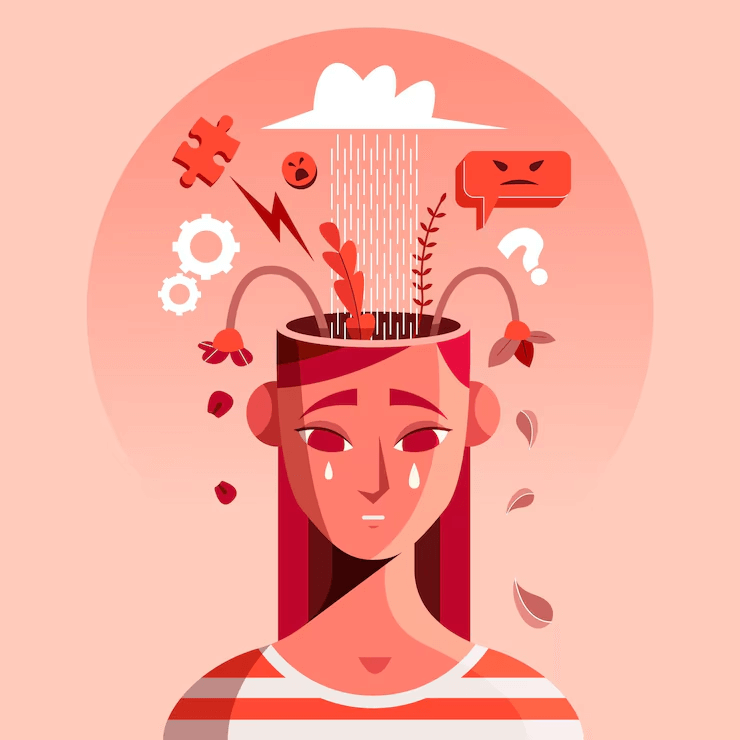
Dr. LePera highlights how unresolved trauma doesn’t just live in the mind—it manifests in the body.
“Stress and trauma live in our nervous system,” she explains. “My nervous system was constantly in fight-or-flight mode, which eventually led to my body shutting down. I started fainting and experiencing cognitive dysfunction.”
She emphasizes that healing isn’t just about changing thoughts—it’s about working with the body to regulate the nervous system. Some tools for this include:
- Breathwork to calm the fight-or-flight response.
- Grounding techniques like walking barefoot or engaging with nature.
- Daily journaling to reinforce new beliefs and behaviors.
Reparenting Yourself: A Lifelong Practice
Healing childhood wounds isn’t about blaming caregivers—it’s about recognizing the patterns we inherited and choosing to reparent ourselves in a healthier way.
Dr. LePera stresses that healing is an ongoing process. “Healing and living in consciousness is a daily practice,” she says. “There is no ‘done.’ We are constantly evolving.”
One of the most powerful tools she recommends is future self-journaling—writing as if the change has already happened. This mental rehearsal helps rewire the brain and solidify new behaviors.
Final Thoughts
Dr. Nicole LePera’s insights offer a roadmap for anyone looking to break free from emotional conditioning, trauma bonds, and subconscious stress cycles. By cultivating consciousness, recognizing emotional addictions, and reparenting ourselves, we can create a future that isn’t dictated by the past.
For more healing and wellness tips, be sure to subscribe to the Heal Squad with Maria Menounos podcast via YouTube or Apple Podcasts.