Emotional Agility with Dr. Susan David
Why Emotional Agility is the Key to Mental Well-Being
In an ever-changing world, the ability to navigate emotions with flexibility and resilience is essential. Heal Squad with Maria Menounos recently welcomed Dr. Susan David, a best-selling author and award-winning Harvard psychologist, to discuss emotional agility—a skill that allows us to experience emotions fully without letting them dictate our actions.
“Courage is not the absence of fear; courage is fear walking,” says Dr. David, underscoring the importance of recognizing and embracing emotions rather than suppressing them.
What is Emotional Agility?
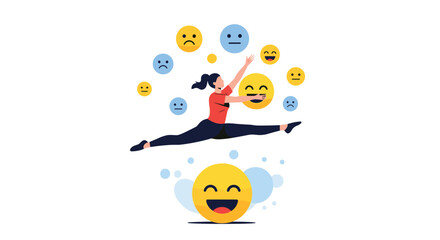
Emotional agility is the ability to manage emotions in a way that enhances decision-making, relationships, and overall well-being. According to Dr. David, research shows that emotional rigidity—being stuck in unhelpful thoughts and behaviors—is linked to depression and anxiety. Conversely, emotional agility fosters psychological resilience, allowing people to respond to life’s challenges with intention.
However, emotional agility is not about controlling emotions or forcing positivity. Instead, it’s about loosening up, understanding emotions, and using them as signals to guide our actions.
Why Avoiding Emotions is Harmful
Many people deal with emotions in two unhealthy ways:
- Bottling them up: Ignoring emotions or pushing them aside leads to a buildup of tension and stress, often resulting in emotional outbursts or physical symptoms.
- Brooding over them: Dwelling excessively on emotions can keep people stuck in negative thought cycles, increasing anxiety and stress.
Instead of falling into these traps, Dr. David suggests a more constructive approach: acknowledging emotions, examining their origins, and then deciding how to respond.
How to Develop Emotional Agility
If you feel like your emotions own you rather than the other way around, here are three practical strategies to develop emotional agility:
1. Name Your Emotions Precisely
Instead of saying, “I’m stressed,” dig deeper. Are you feeling overwhelmed, disappointed, exhausted, or lonely? Research shows that when we label emotions more accurately, our brains become better equipped to process them and take constructive action.
2. Reframe Your Thoughts
Rather than saying, I am sad, shift to I am noticing that I feel sad. This simple rewording creates psychological distance, preventing emotions from overtaking your identity. When you separate yourself from an emotion, you regain control over how you respond.
3. Use Emotions as Data, Not Directives
Emotions are signals, not instructions. Feeling angry doesn’t mean you should lash out—it may indicate that something important to you (such as fairness or respect) is being violated. Instead of reacting impulsively, use emotions to clarify your values and take thoughtful action.
How Values Shape Emotional Agility
Dr. David emphasizes the importance of aligning emotions with core values to make better decisions and build resilience. To identify your values:
- Ask yourself, What did I do today that felt worthwhile?
- Examine your strongest emotions—what do they tell you about what truly matters to you?
- Write down, Even in the midst of this challenge, who do I choose to be?
Applying Emotional Agility in Everyday Life
Dr. David shares a compelling story about taking her infant son to get vaccinated. As he cried in pain, she instinctively said, It’s okay, it’s okay. A doctor gently corrected her: It’s not okay. He’s in pain. It will be okay, but it’s not okay now.
This lesson highlights a crucial aspect of emotional agility: acknowledging emotions without trying to fix or dismiss them. Rather than suppressing difficult emotions, we should validate them and make space for healing.
The Bigger Picture: Emotional Agility and Society
Beyond personal growth, emotional agility is crucial for societal change. Issues like mental health awareness, racial justice, and the pandemic’s psychological impact require uncomfortable conversations. Avoiding these discussions for the sake of “positivity” prevents real progress.
“When we refuse to acknowledge emotions, we refuse to acknowledge people’s experiences,” Dr. David explains. Emotional agility enables us to engage in tough conversations with compassion and curiosity rather than defensiveness.
Final Thoughts
Emotional agility isn’t about eliminating discomfort—it’s about learning to navigate it with self-awareness, compassion, and intention. When we recognize that emotions are signals guiding us toward our values, we reclaim control over our lives.
To hear more from Dr. Susan David and dive deeper into emotional agility, listen to her full interview on Heal Squad with Maria Menounos.
For more healing and wellness tips, be sure to subscribe to the Heal Squad with Maria Menounos podcast via YouTube or Apple Podcasts.