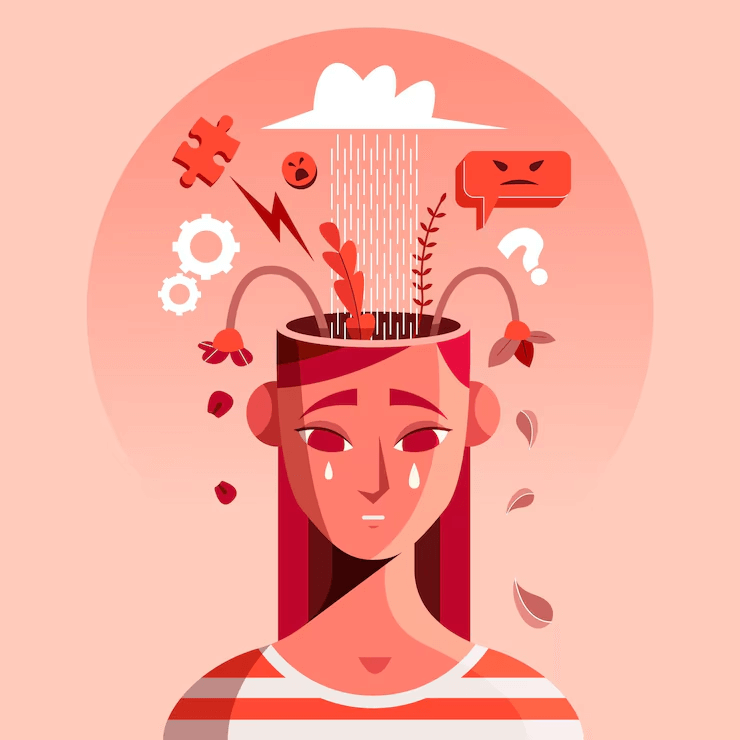
Your Nervous System and How to Heal from Trauma with Sarah Baldwin
Introduction
In a recent episode of Heal Squad with Maria Menounos, trauma expert and somatic practitioner Sarah Baldwin shared transformative insights on how our nervous system responds to trauma and stress. She explained why our coping mechanisms are designed to protect us and provided actionable strategies to help regulate our nervous system. If you’ve ever felt overwhelmed by anxiety, frustration, or emotional shutdown, Baldwin’s insights can help you recognize your body’s signals and begin the process of healing.
The Science of Nervous System Regulation
Baldwin explained that every reaction we have—whether it’s anxiety, anger, or shutting down—is a protective response from the nervous system. Our body is constantly scanning for threats, and when it perceives danger (whether real or imagined), it shifts into different states:
- Sympathetic Nervous System: The fight-or-flight response, where we feel hyper-alert, anxious, or aggressive.
- Freeze State: A state of immobilization where we feel stuck, overwhelmed, or unable to act.
- Dorsal Nervous System: A state of total shutdown, where we experience numbness, dissociation, or hopelessness.
Understanding which state we are in allows us to choose the right tools to regulate ourselves effectively.
Tools for Sympathetic Nervous System Regulation
When the body is in a state of fight-or-flight, we feel a sense of urgency, restlessness, and agitation. Many of us try traditional meditation techniques, but Baldwin warns that sitting still can often make anxiety worse. Instead, she suggests:
- Movement: Walking, dancing, or engaging in physical activity helps release built-up energy.
- Shaking and Tapping: Allowing your body to tremble or using gentle tapping on the chest can signal safety to the nervous system.
- Music Therapy: Listening to music that matches your current emotional state can help you gradually transition to calmness.
- Breathing Techniques: The 4-7-8 breath (inhaling for four seconds, holding for seven, exhaling for eight) helps reset the body’s response.
Navigating the Freeze State
If you find yourself feeling stuck, indecisive, or unable to take action, you might be in the freeze state. Baldwin suggests:
- Grounding Exercises: Focusing on five things you can see, hear, smell, touch, and taste helps bring awareness back to the present moment.
- Humming and Swaying: These repetitive motions mimic natural self-soothing behaviors.
- Soft Eye Gaze: Instead of tunnel vision, expanding your field of vision by looking at the entire room signals safety to the brain.
- Tactile Stimulation: Running your hands under warm water or holding an ice cube can help bring you back to your body.
Overcoming Dorsal Shutdown
For those who experience emotional shutdown, dissociation, or deep fatigue, Baldwin emphasizes the importance of gradually reintroducing movement and sensory input:
- Orienting Exercise: Slowly scanning the environment and naming objects helps bring awareness to the present.
- Light Physical Activity: Gentle stretching or walking outside can slowly re-engage the body.
- Two-Part Breath: Taking two short, sharp breaths followed by a longer exhale helps increase energy without overwhelming the system.
- Social Connection: Talking to a trusted friend or loved one can provide reassurance and grounding.
Supporting Children’s Nervous Systems
For parents, Baldwin highlights that children’s nervous systems mirror their caregivers. If a parent is anxious or dysregulated, the child picks up on those signals. The best way to help children is to model emotional regulation by practicing these techniques yourself. Teaching children simple strategies, like deep breathing or body awareness exercises, can give them lifelong tools for emotional resilience.
Making Better Decisions Through Regulation
One of the most powerful takeaways from Baldwin’s discussion is that when we are dysregulated, our thoughts are not always accurate. If we make decisions from a place of panic, overwhelm, or shutdown, we may regret them later. By regulating our nervous system first, we can approach situations from a place of clarity and confidence.
Final Thoughts
The nervous system is the foundation of our emotional and physical well-being. Learning to recognize and regulate its different states can empower us to respond to life’s challenges with more resilience and balance. Baldwin’s approach to nervous system healing provides practical, science-backed tools that anyone can integrate into their daily lives.
For more healing and wellness tips, be sure to subscribe to the Heal Squad with Maria Menounos podcast via YouTube or Apple Podcasts.