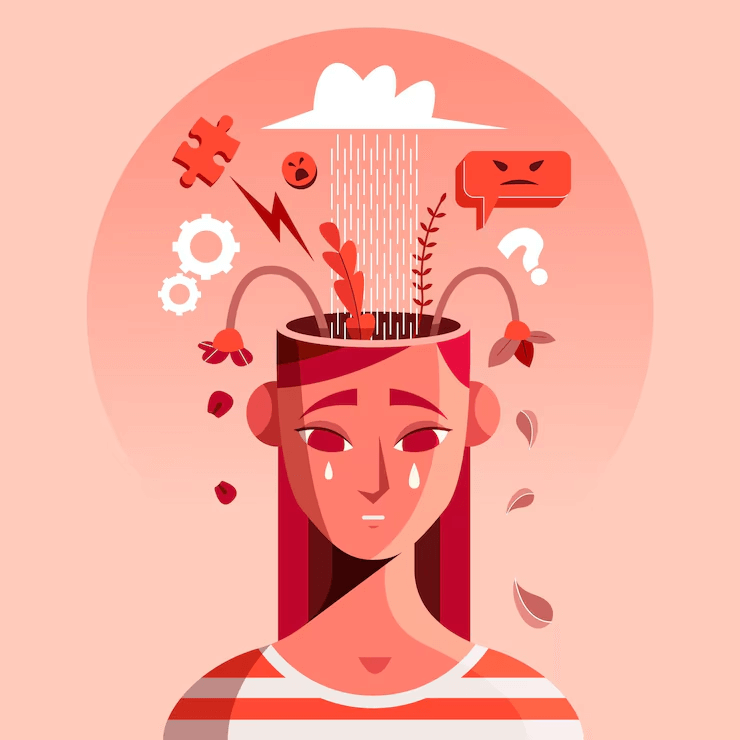
How to Make Stress Your Friend: Insights from Dr. Kelly McGonigal
Introduction
Stress is an unavoidable part of life. But what if we told you that stress isn’t the enemy—it’s actually a signal that you care? Dr. Kelly McGonigal, a New York Times bestselling author, Stanford professor, and health psychologist, is revolutionizing the way we think about stress. With her viral TED Talk amassing over 25 million views, she explains that shifting our mindset about stress can dramatically impact our physical and mental well-being.
In a recent episode of Heal Squad with Maria Menounos, Dr. McGonigal shared groundbreaking research on how our perception of stress can determine its effect on our health. She also provided powerful strategies to help us navigate stress with resilience and purpose.
The Surprising Science Behind Stress
For years, stress has been demonized as a leading cause of illness. But Dr. McGonigal’s research reveals a surprising twist—stress only harms you if you believe it does.
A groundbreaking study followed 30,000 adults over a decade, analyzing their stress levels and beliefs about stress. The findings? Those who experienced high stress and believed it was harmful had a 43% higher risk of premature death. However, individuals who faced significant stress but did not view it as harmful had the lowest mortality rates in the study.
This research suggests that our mindset about stress influences how it affects us. When we interpret stress as a sign that we care and that our bodies are preparing us to handle challenges, it can actually enhance our performance, resilience, and overall well-being.
How to Reframe Your Stress Response
Instead of viewing stress as a threat, Dr. McGonigal encourages us to see it as a natural response that can be harnessed for growth. Here are some key takeaways:
1. Recognize That Stress Means You Care
Rather than seeing stress as a weakness, acknowledge that it arises because something matters to you. Whether it’s a work deadline, a relationship, or a personal goal, stress signals that you are invested in the outcome.
2. Use Stress to Build Connection
Feeling lonely or overwhelmed? Those emotions might be your body’s way of urging you to reach out for support. Instead of withdrawing, connect with others—whether it’s friends, family, or colleagues—because social connection is one of the most powerful buffers against stress.
3. Shift Your Inner Dialogue
When you feel anxious before a big event, rather than thinking, I can’t handle this, try saying, My body is giving me energy to rise to the challenge. Studies show that viewing stress as a performance booster rather than a hindrance can improve confidence and outcomes.
4. Find Meaning in Difficult Situations
Rather than resisting stress, ask yourself: What is this teaching me? Stressful moments often present opportunities for personal growth and resilience. Accepting stress as a part of life helps you navigate it more effectively.
Your Body: A Built-In Stress-Relief Pharmacy
One of Dr. McGonigal’s most fascinating insights is that movement is medicine. Exercise doesn’t just strengthen the body—it literally changes brain chemistry.
Your muscles act as a natural pharmacy, releasing chemicals like endorphins and endocannabinoids that:
- Reduce anxiety and depression
- Enhance motivation and focus
- Improve emotional resilience
The best part? You don’t need an intense workout to experience the benefits. Just three minutes of movement—walking, stretching, or even dancing—can trigger a positive shift in mood and stress resilience.
Willpower: The Key to Stress Management
Dr. McGonigal is also an expert on willpower—the ability to make choices that align with our values, even when it’s challenging. According to her, willpower consists of three elements:
- Won’t Power: The ability to resist distractions and impulses that pull you away from your goals.
- Will Power: The determination to take positive action, even when you don’t feel like it.
- Want Power: The clarity of knowing why something matters to you. When your values are clear, making the right decisions becomes easier.
To strengthen willpower, start by asking yourself: Why is this goal important to me? Reconnecting with your deeper motivations can help you stay committed, whether it’s to an exercise routine, a work project, or a healthier lifestyle.
Final Thoughts: Embracing a New Relationship with Stress
Stress isn’t something to eliminate—it’s something to work with. When we shift our mindset, we empower ourselves to handle challenges with greater confidence and resilience. By embracing stress as a signal of what matters, using movement as medicine, and strengthening our willpower, we can transform stress from an enemy into an ally.
For more healing and wellness tips, be sure to subscribe to Heal Squad with Maria Menounos via YouTube or Apple Podcasts.