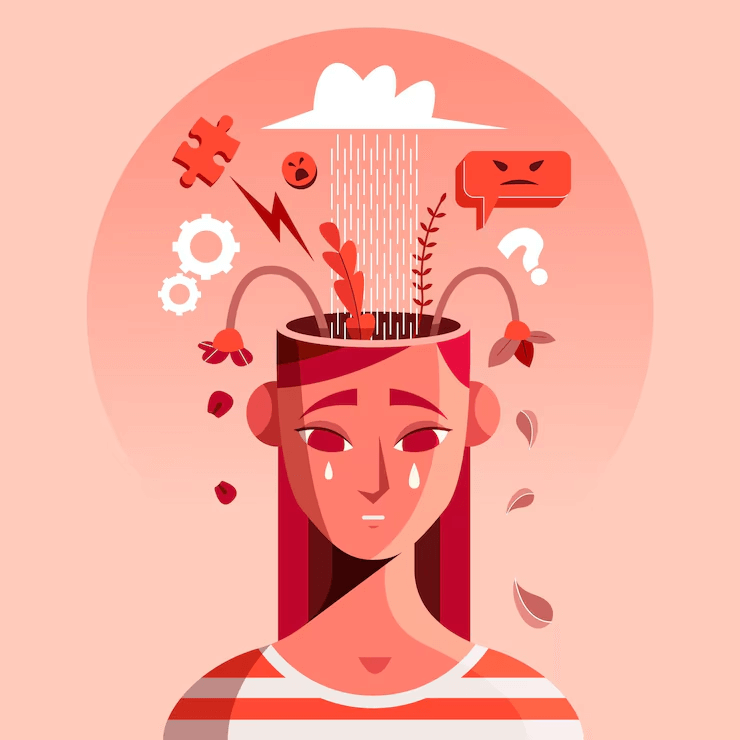
Finding Balance: Toure Roberts on Soul Awareness and Living a Fulfilled Life
Introduction
Are you ready to cultivate a more balanced, fulfilling, and purpose-driven life? In a recent episode of Heal Squad with Maria Menounos, best-selling author, entrepreneur, and pastor Toure Roberts joins Maria to discuss the power of true balance and soul awareness. Through insights from his book Balance: Positioning Yourself to Do All Things Well, Toure shares practical tools to help us prioritize our well-being, align with our deepest needs, and embrace the courage to slow down.
If you’ve ever felt overworked, exhausted, or stuck in cycles of stress and imbalance, this conversation is for you. Read on to learn how understanding the difference between being tired and being weary can change the way you approach rest, productivity, and your overall well-being.
The True Meaning of Balance
Many of us assume that balance means juggling multiple responsibilities without dropping the ball. However, according to Toure, true balance is about prioritizing your unique needs first.
Balance is not a one-size-fits-all concept. What works for one person may not work for another, and the key to unlocking a harmonious life is tuning into your own internal signals. Roberts emphasizes that balance is about “meeting the unique, deep internal needs of the individual first.”
The Difference Between Tired and Weary
One of the most powerful distinctions Toure makes is the difference between being tired and being weary.
- Being tired is a natural, temporary state that can be resolved with rest, sleep, or short breaks.
- Being weary is a deeper level of exhaustion that affects your emotions, spirit, and mental clarity. It’s a sign that you are spiritually and emotionally depleted—not just physically tired.
When you ignore weariness and push through exhaustion, you increase your risk of burnout, poor decision-making, and overall unhappiness. Recognizing the warning signs of weariness is essential to preventing total depletion.
The Courage to Be Still
One of the biggest reasons people struggle with balance is their resistance to stillness. Many believe they “can’t afford to stop” because life, work, or obligations demand constant action. However, Roberts argues that stopping and taking intentional breaks requires more courage than launching new projects or constantly pushing forward.
Slowing down allows us to reset, recharge, and come back stronger. When we don’t take time to be still, we risk making major life decisions from a place of exhaustion rather than clarity.
How to Become Soul Aware
Toure introduces the concept of soul awareness, which goes beyond traditional self-awareness. While self-awareness helps us understand our actions and emotions, soul awareness connects us to the deepest, most authentic part of ourselves.
To develop soul awareness, he suggests:
- Practicing daily stillness and meditation
- Paying attention to your body’s signals and energy levels
- Observing your thoughts and identifying patterns of fear or scarcity
- Releasing limiting beliefs and embracing self-love
When you prioritize soul awareness, you become more attuned to your true needs, make better decisions, and naturally attract abundance and fulfillment.
Fear-Based Decision Making vs. Abundant Thinking
A major theme in Roberts’ book is how fear-driven decision-making leads to imbalance. Many people operate from a place of scarcity, constantly worrying about worst-case scenarios or trying to outrun failure.
However, Roberts explains that true success comes from moving toward abundance rather than away from fear. When you let go of fear-based thinking and focus on creating from a place of confidence, you open yourself up to greater opportunities and success.
The Power of Being Alone
For many, the idea of being alone carries a negative connotation. However, Roberts highlights that the original meaning of alone comes from the phrase all one, symbolizing completeness and self-connection.
Spending intentional time alone allows us to reconnect with our inner selves, remove external influences, and gain clarity on our purpose. Rather than fearing solitude, embrace it as an opportunity for growth and self-discovery.
Final Takeaways: How to Apply These Lessons to Your Life
If you’re feeling overworked, stressed, or stuck in cycles of imbalance, take a moment to reflect on these key takeaways:
- True balance is about meeting your own needs first, not trying to meet external expectations.
- There’s a difference between being tired and being weary—pay attention to your energy levels.
- Stillness requires courage but is essential for long-term well-being.
- Soul awareness helps you connect with your deepest, most authentic self.
- Making decisions from a place of abundance rather than fear leads to more success and fulfillment.
- Time alone is powerful and can help you gain clarity and peace.
By implementing these strategies, you can create a more balanced, fulfilling life where your well-being comes first.
For more healing and wellness tips, be sure to subscribe to the Heal Squad with Maria Menounos podcast via YouTube or Apple Podcasts.