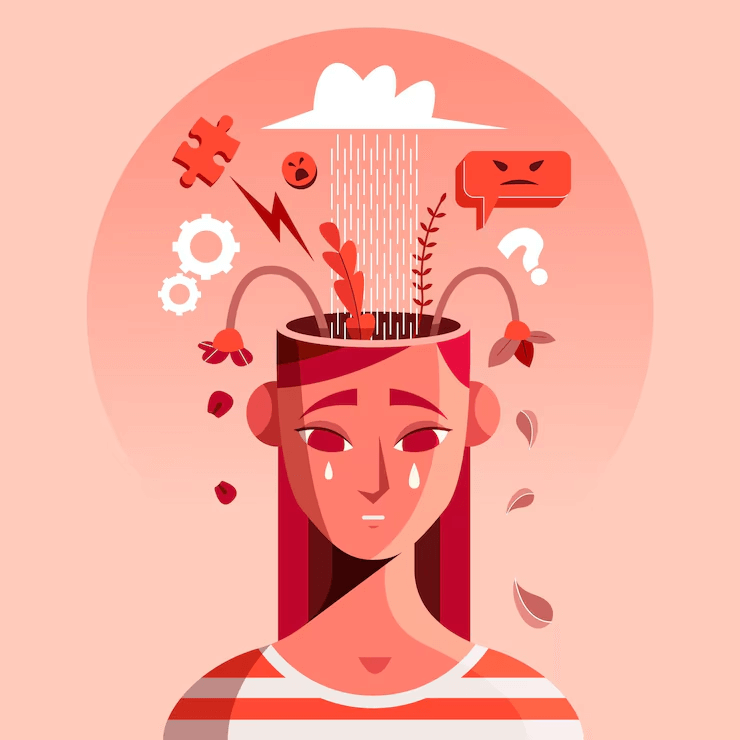
The End of Mental Illness: Transforming Brain Health with Dr. Daniel Amen
In today’s fast-paced world, mental health challenges are more prevalent than ever, yet they remain misunderstood and stigmatized. Renowned psychiatrist Dr. Daniel Amen, author of The End of Mental Illness, believes that the way we approach mental health is fundamentally flawed. In his latest conversation on Heal Squad with Maria Menounos, Dr. Amen discusses why we need to shift the conversation from “mental illness” to “brain health,” offering actionable steps to improve cognitive function, emotional well-being, and overall quality of life.
Reframing Mental Health: A Shift to Brain Health
Dr. Amen argues that the term “mental illness” perpetuates stigma and discourages people from seeking help. Instead, he suggests we view these challenges as brain health issues, much like we view heart disease or diabetes.
“If we can see these as medical and not a choice,” Dr. Amen explains, “it decreases shame and guilt, increases compliance with treatment, and fosters compassion from loved ones.”
The traditional approach to diagnosing psychiatric disorders, which often relies solely on symptom checklists, fails to address the root causes of mental distress. By focusing on brain function through imaging and holistic assessment, Dr. Amen advocates for a more personalized and effective treatment model.
The Dangers of Overprescription: Why Medication Isn’t Always the Answer
Many people struggling with anxiety, depression, or other cognitive disorders are quickly prescribed psychiatric medications without deeper investigation. While Dr. Amen acknowledges that medication can be helpful in certain cases, he cautions against its overuse.
“Eighty-five percent of psychiatric drugs are prescribed by non-psychiatric physicians in seven-minute office visits,” he reveals. “The problem is that these medications can change your brain in ways that make it dependent on them to feel normal.”
Before turning to medication, Dr. Amen recommends alternative strategies that have been shown to be just as effective, if not more so, than antidepressants:
- Exercise: Walking for 45 minutes four times a week has been found to improve mood as effectively as antidepressants.
- Omega-3 Fatty Acids: Consuming 3 grams of omega-3s per day can significantly improve cognitive function and emotional resilience.
- Cognitive Reframing: Training the brain to challenge negative thoughts—what Dr. Amen calls “killing the ANTs (automatic negative thoughts)”—can dramatically improve mental health.
- Dietary Adjustments: A nutrient-rich, anti-inflammatory diet supports brain health and reduces symptoms of depression and anxiety.
Gut Health and Brain Function: The Missing Link
Dr. Amen emphasizes the critical connection between gut health and brain function. Research shows that the gut microbiome plays a significant role in mental well-being, producing neurotransmitters like serotonin and regulating inflammation.
“Food is medicine—or poison,” he warns. “Fast food, processed sugars, and inflammatory ingredients wreak havoc on brain function and contribute to mental health issues.”
One study compared two islands: one with fast-food restaurants and one without. The island without fast food had significantly higher levels of omega-3s in its population and five times less depression. This powerful data underscores the importance of a clean, whole-food diet for both gut and brain health.
Breaking the Cycle of Anxiety and Depression
One of the biggest challenges with mental health struggles is the cycle they create—negative thoughts lead to poor sleep, which leads to poor diet choices, which further impair brain function. So how do we break this cycle?
Dr. Amen recommends a simple but powerful strategy:
- Write down negative thoughts: Whenever you’re feeling anxious or depressed, identify the specific thought causing distress.
- Ask yourself five questions:
- Is this thought true?
- Can I absolutely know it’s true?
- How do I feel when I believe this thought?
- How would I feel if I didn’t have this thought?
- What is the opposite of this thought?
- Retrain your brain: By consistently challenging irrational thoughts, you strengthen your cognitive resilience and prevent automatic negative thinking from taking over.
Small Habits, Big Changes: Daily Practices for Brain Health
Dr. Amen encourages people to adopt tiny daily habits that lead to significant improvements in brain function:
- Start the day with a positive mindset: Each morning, say, “Today is going to be a great day.”
- Reflect on daily wins: At night, list three things that went well that day to prime the brain for positivity.
- Prioritize sleep: Poor sleep leads to cognitive decline, mood disorders, and increased risk of neurodegenerative diseases.
- Ask before making choices: When faced with a decision, ask, “Is this good for my brain or bad for it?”
The Future of Mental Health: A New Paradigm
With his revolutionary approach, Dr. Amen hopes to transform how we think about mental well-being. “The end of mental illness begins with a revolution in brain health,” he asserts. By making conscious choices about diet, exercise, thought patterns, and self-care, we can not only prevent but also reverse many mental health challenges.
For those struggling or looking to optimize their cognitive function, Dr. Amen’s book The End of Mental Illness provides a comprehensive roadmap to better brain health. His clinics also offer brain imaging and personalized treatment plans for those seeking deeper insights into their cognitive function.
To hear more from Dr. Daniel Amen and Maria Menounos, tune in to Heal Squad with Maria Menounos.
For more healing and wellness tips, be sure to subscribe to the Heal Squad with Maria Menounos podcast via YouTube or Apple Podcasts.