Mark Groves on Love, Relationships, and the Power of Self-Awareness
Why Some Relationships Thrive While Others Struggle
What makes relationships work? Why do some last while others fall apart? According to human connection specialist Mark Groves, it all comes down to self-awareness, communication, and a willingness to take responsibility for your actions. On Heal Squad with Maria Menounos, Groves shares invaluable insights into relationship patterns, emotional intelligence, and how our childhood wounds shape our romantic connections. If you’ve ever struggled with relationship dynamics, this conversation is for you.
The Role of a Human Connection Specialist
Groves describes his journey into relationship psychology as a personal quest. Originally working in sales, he became fascinated by what drives human behavior. But it was his own romantic struggles that led him to deeper introspection. “Why am I great at communicating in business but not about my emotions?” he asked himself. That question led to years of research, coaching, and eventually, the creation of his platform Create the Love, which helps people build the relationships they truly desire.
Why Some Relationships Last and Others Don’t
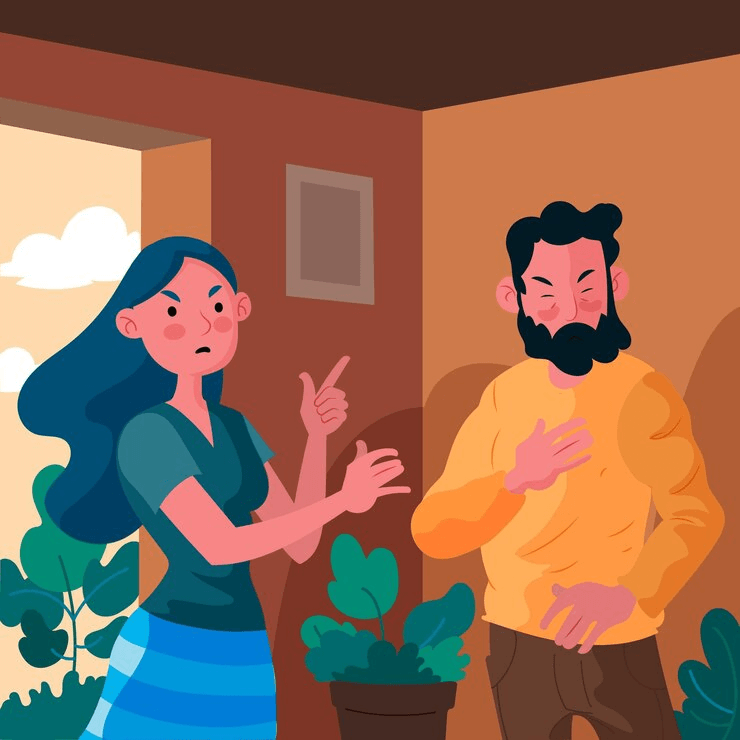
According to Groves, successful couples don’t necessarily fight less—they fight differently. “It’s not about avoiding conflict,” he explains. “Great couples use conflict as a bridge to intimacy.” In contrast, struggling couples either avoid conflict altogether or engage in destructive communication patterns.
The key? Repair. “The healthiest relationships don’t leave each other in pain,” Groves says. Whether it’s an argument about leaving the toilet seat up or deeper emotional wounds, making your partner feel seen and heard is essential.
Understanding Relationship Trauma and Childhood Patterns
Much of how we show up in relationships is rooted in childhood experiences. “We unconsciously recreate the dynamics we grew up with,” Groves explains. For example, if a parent was emotionally unavailable, we might be drawn to partners who are distant. If we were rewarded for caretaking, we might take on the role of the over-functioner in a relationship, giving too much at the cost of our own well-being.
To break these cycles, Groves suggests asking yourself: What is the need I never had met as a child? Answers might include wanting to feel prioritized, heard, or safe. Recognizing these unmet needs allows us to consciously choose healthier relationship patterns.
Taking Responsibility in Relationships
Groves emphasizes that taking responsibility for our own actions is the most empowering thing we can do. “It’s not your fault, but it is your responsibility,” he says. This means acknowledging patterns, owning mistakes, and making a conscious effort to change.
One of the biggest barriers to this? Defensiveness. According to research from the Gottman Institute, defensiveness is one of the top predictors of divorce. Instead of reacting with excuses or counterattacks, Groves suggests responding with, ‘I can see some truth in what you’re saying.’ This simple shift can transform the way couples communicate.
Breaking Free from Over-Functioning and Codependency
Many women, especially, fall into the trap of over-functioning in relationships—taking care of everyone else while neglecting their own needs. “Resentment is a 100% accurate indicator that you’re not prioritizing yourself,” Groves warns.
To shift this dynamic, he suggests:
- Setting boundaries and recognizing that saying “no” doesn’t make you selfish.
- Encouraging partners to take responsibility for their own needs.
- Creating space for individual growth within the relationship.
Healing from Relationship Trauma and Learning to Love Yourself
Divorce, breakups, and relational disappointments can be some of life’s greatest teachers—if we’re willing to learn from them. Groves encourages people to see endings not as failures but as opportunities for growth. “The moment you prioritize your own well-being, you are choosing yourself,” he says. And that, in itself, is an act of self-love.
For those struggling to break free from toxic patterns, Groves recommends self-reflection, therapy, and relational education. “We should be teaching this in schools,” he emphasizes. Since that’s not yet the case, it’s up to us to seek out the tools we need to create better relationships.
Final Thoughts
If you’re looking to improve your relationships, Mark Groves’ insights are a must-listen. By understanding our patterns, taking responsibility, and committing to personal growth, we can cultivate deeper, more fulfilling connections.
For more healing and wellness tips, be sure to subscribe to Heal Squad with Maria Menounos on YouTube or Apple Podcasts.