Mark Groves on Love, Relationships, and Healing: The Key to Thriving Connections
Introduction
Relationships are the cornerstone of our lives, shaping our emotional well-being and influencing our personal growth. But why do some relationships thrive while others fall apart? In a recent episode of Heal Squad with Maria Menounos, human connection specialist Mark Groves breaks down the complexities of love, communication, and relational patterns. Whether you identify as an over-functioner in relationships or struggle with setting boundaries, Mark shares powerful insights that can lead to deeper and healthier connections. Get ready to take notes—this episode is full of game-changing relationship wisdom.
What is a Human Connection Specialist?
Mark Groves calls himself a “human connection specialist,” a title born out of his deep curiosity about what makes relationships work. Initially, his interest in human behavior stemmed from sales—understanding why people make certain choices. However, after a difficult breakup, he turned his focus to romantic relationships, asking himself why he was good at discussing everything except his feelings. That led him down the path of studying love, attachment, and relational success.
Through his platform Create the Love, his podcast, and his social media presence, Mark helps people decode their relationship patterns and develop emotional intelligence. His work is a testament to the idea that while relationships shape us, we also have the power to reshape how we show up in them.
Why Do Some Relationships Last While Others Fail?
Mark explains that lasting relationships have a few things in common:
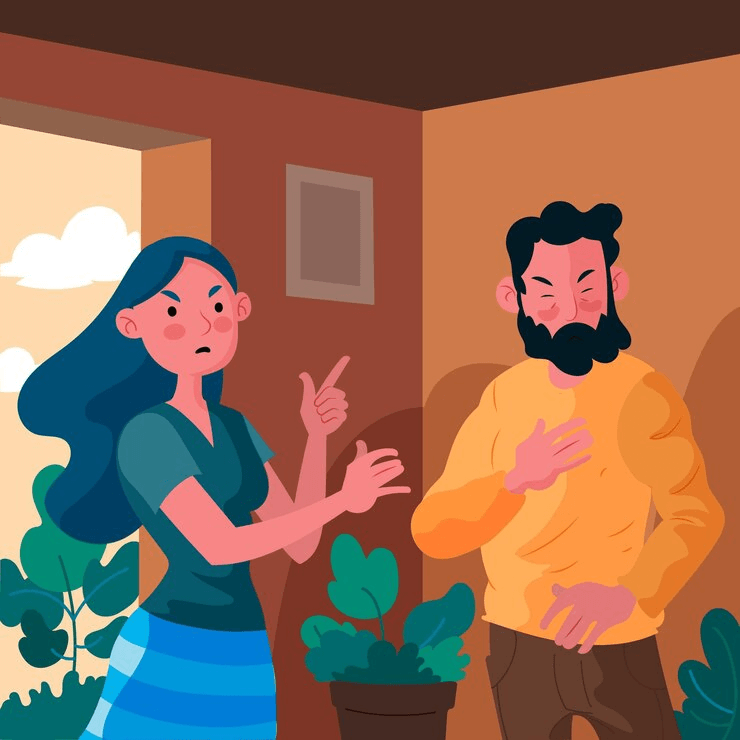
- Effective Conflict Resolution: It’s a myth that happy couples never fight. Instead, they navigate conflict with empathy and problem-solving rather than blame and avoidance.
- Prioritizing Repair: Successful couples ensure that misunderstandings don’t linger. If one partner is in pain, the other makes an effort to bridge the gap.
- Emotional Awareness: Many of our relational challenges stem from childhood wounds we aren’t aware of. Identifying these patterns helps break cycles of dysfunction.
If you find yourself arguing over the same things repeatedly, chances are, it’s not just about the issue at hand but about unmet emotional needs from the past.
Understanding Relationship Trauma & Childhood Patterns
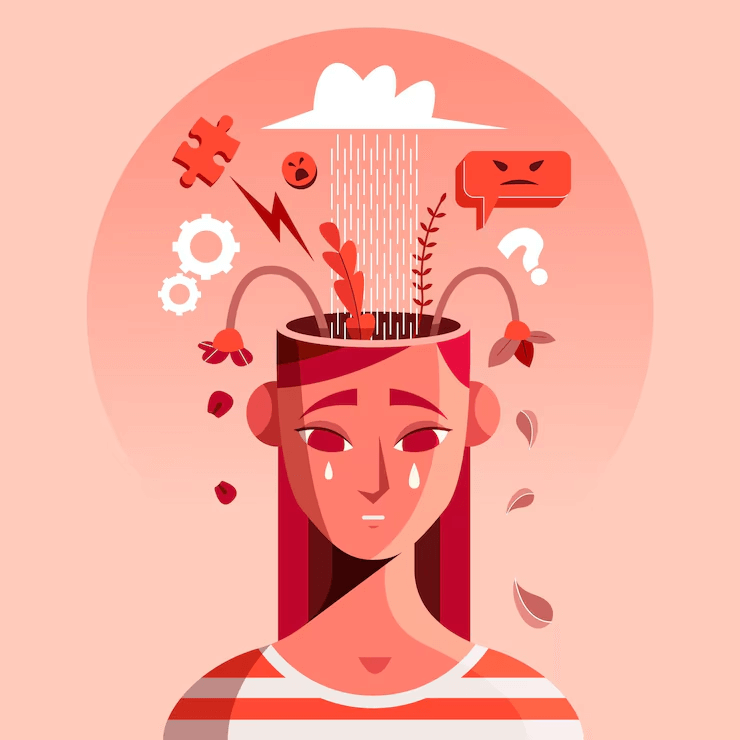
One of the biggest hurdles to healthy relationships is unresolved trauma. Mark emphasizes that many of us unknowingly replicate the relational dynamics of our childhood. For example:
- If your parent was emotionally unavailable, you might be drawn to partners who are distant or hard to reach.
- If love in your childhood home was chaotic, stability in a relationship might feel unfamiliar, even boring.
- If conflict was avoided in your family, you might struggle to express your needs, fearing rejection.
The key to healing? Awareness. Once you identify your unconscious patterns, you can start making different choices. “If you don’t process your unprocessed pain, it will become a pattern,” Mark warns.
Taking Responsibility for Your Relationship Patterns
Many people struggle with taking ownership of their relationship patterns. It’s easy to blame partners for repeated heartbreak, but Mark urges us to ask: What role am I playing in this dynamic?
This doesn’t mean self-blame—it means empowerment. When we take responsibility, we reclaim the power to create change. Here’s how:
- Audit Your Patterns: What types of people are you drawn to? Do they remind you of past experiences?
- Recognize Self-Sabotage: Do you push people away when they get too close? Do you tolerate behaviors that don’t serve you?
- Own Your Needs: It’s not selfish to have needs. The right partner will honor them rather than dismiss them.
The Challenge of Over-Functioning in Relationships
Many women, in particular, are socialized to be caretakers in relationships, often at the expense of their own well-being. If you constantly find yourself overextending for others—whether it’s your partner, family, or friends—it may be time to step back and reassess.
Signs of over-functioning include:
- Feeling responsible for everyone else’s emotions
- Suppressing your own needs to keep the peace
- Resentment towards your partner for “not doing enough”
Mark explains that over-functioners tend to pair with under-functioners, creating an imbalance that drains one person while enabling the other. The solution? Learning to prioritize yourself and setting clear boundaries. While this shift may initially cause friction in relationships, it ultimately fosters healthier dynamics where both partners contribute equally.
The Power of Boundaries and Self-Prioritization
Many people fear setting boundaries because they worry about how others will react. However, Mark reminds us that healthy relationships require boundaries. When we fail to prioritize ourselves, resentment builds, and connections suffer.
Steps to start prioritizing yourself:
- Recognize Your Needs: If you’re feeling exhausted or resentful, ask yourself what you truly need.
- Communicate Clearly: Express your needs without guilt. It’s okay to say, “I need time for myself.”
- Expect Resistance: People who benefit from your over-functioning may push back at first, but healthy relationships will adjust.
By prioritizing yourself, you actually bring more to your relationships, rather than less. When both partners maintain their individuality, the relationship thrives.
How to Communicate Effectively and Reduce Defensiveness
According to Mark, one of the biggest barriers in relationships is defensiveness. Instead of listening openly, many people react with justification or blame. He shares a game-changing phrase to de-escalate tension: “I can see some truth in what you’re saying.”
When you acknowledge your partner’s perspective, even slightly, you open the door for constructive conversation rather than conflict. Other communication shifts include:
- Avoiding “you always” or “you never” statements, which trigger defensiveness.
- Validating feelings rather than dismissing them.
- Practicing self-reflection before reacting emotionally.
The Gottman Institute, a leading research organization on marriage and relationships, found that couples who communicate effectively and repair quickly have a much higher chance of staying together long-term.
Final Thoughts
The way we show up in relationships reflects our inner world. If we want fulfilling, connected partnerships, we must first do the inner work. Mark Groves reminds us that while love is natural, relationships are a skill—and skills can be learned.
For more relationship wisdom, listen to the full interview with Mark Groves on Heal Squad with Maria Menounos. And for more healing and wellness tips, be sure to subscribe to the Heal Squad with Maria Menounos podcast via YouTube or Apple Podcasts.