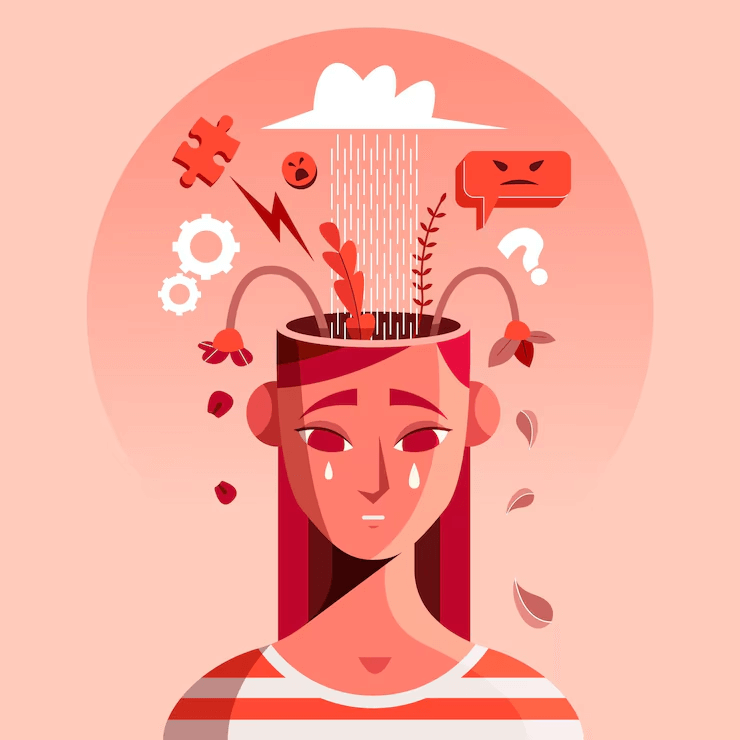
Zachary Levi on Radical Love, Mental Health, and Learning to Heal Yourself
Understanding the Journey of Healing with Zachary Levi
Mental health has long been a difficult topic to navigate, but in recent years, more public figures are coming forward to share their personal struggles—helping to break down stigmas and normalize seeking help. One such advocate is actor Zachary Levi, best known for Shazam! and Chuck. On Heal Squad with Maria Menounos, Levi opens up about his mental health battle, his transformative therapy experience, and his book, Radical Love: Learning to Accept Yourself and Others.
Levi’s journey, which includes hitting rock bottom at 37 years old, confronting childhood traumas, and ultimately seeking life-saving therapy, is an inspiring testament to the power of self-awareness and radical self-love.
The Breaking Point: When Zachary Levi Knew He Needed Help
Like many who struggle with mental health, Levi didn’t realize just how deeply buried his pain was—until it all came crashing down. He moved to Austin, full of ambition and plans for the future, but soon found himself spiraling into a complete mental breakdown.
At his lowest, Levi recalls hearing the dark whispers of depression, convincing him that his existence was meaningless. It was at this moment that he realized he had two choices: continue down a dangerous path or seek professional help. Fortunately, he chose the latter and checked himself into intensive therapy in Connecticut, a decision that ultimately saved his life.
The Power of Therapy: “I Had to Throw the Kitchen Sink at It”
Levi’s therapy experience wasn’t passive—it was an all-in commitment to healing. He engaged in a rigorous three-week mental health program that included:
- Psychotherapy & Cognitive Behavioral Therapy (CBT) – Helping him uncover and reframe deep-seated negative thoughts.
- Dialectical Behavioral Therapy (DBT) – Teaching emotional regulation and coping skills.
- Meditation & Mindfulness Practices – Aiding in stress relief and self-awareness.
- Fitness & Nutrition – Recognizing the mind-body connection in mental well-being.
Most importantly, Levi credits one compassionate woman, a caretaker at the facility, for rekindling his ability to feel genuine, unconditional love—something he hadn’t fully grasped before.
The Wake-Up Call: Learning to Love Himself
One of the most profound realizations Levi had in therapy was that he didn’t truly love himself. Many of us assume we do, but his experience revealed a harsh truth—he didn’t even like himself.
This is a common struggle, as societal conditioning often teaches us that self-worth is tied to external validation, success, or appearance. Levi describes how childhood experiences and imposter syndrome played a huge role in his lack of self-acceptance, and how dismantling these deep-rooted beliefs was a necessary step in his healing process.
The Role of Medication: Breaking the Stigma Around Antidepressants
Levi was hesitant about taking medication for mental health, largely due to societal and personal stigmas. However, after consulting with professionals, he realized that antidepressants weren’t a crutch, but a tool—like a stepping stool allowing him to “turn the lights on” in a dark room.
His biggest takeaway? Medication isn’t the only solution, but it can be a vital part of the healing process when used responsibly and under guidance.
Why Radical Love is the Answer
Levi believes that love—especially self-love—is the missing ingredient in many people’s lives. His book, Radical Love, isn’t just about mental health; it’s about learning to accept yourself, forgive others, and understand that healing is a journey, not a destination.
He shares an essential truth:
“Radical love means radically accepting, radically forgiving, and radically loving ourselves and others.”
In a world that operates largely out of fear, learning to lead with love—even towards those who have hurt us—is the most powerful thing we can do.
Practical Steps for Self-Love and Healing
So, how can you start practicing radical self-love? Levi suggests:
- Therapy – Whether it’s talk therapy, EMDR, or somatic therapy, seek professional guidance.
- Mindfulness & Meditation – Developing awareness of negative thoughts and learning to reframe them.
- Physical Health – Exercise, eat nourishing foods, and take care of your body as a way of respecting yourself.
- Setting Boundaries – Love doesn’t mean allowing toxicity; healthy boundaries are essential.
- Compassion Over Judgment – Whether it’s towards yourself or others, operate from understanding instead of criticism.
Why This Conversation Matters More Than Ever
Levi’s willingness to be vulnerable about his struggles serves as a beacon of hope for anyone battling anxiety, depression, or trauma. Conversations like these are crucial in shifting the narrative around mental health, therapy, and self-worth.
As Maria Menounos puts it, Heal Squad is all about learning, growing, and becoming better together. Levi’s story is proof that healing is possible, but it requires courage, commitment, and radical self-love.
For more healing and wellness tips, be sure to subscribe to Heal Squad with Maria Menounos on YouTube or Apple Podcasts.