Hannah Hart on Understanding Depression
Depression affects millions of people worldwide, yet misconceptions about what it truly is persist. Many struggle to distinguish between temporary sadness and clinical depression, which can lead to either dismissing a serious condition or unnecessarily labeling normal emotions as a disorder. On a recent episode of Better Together with Maria Menounos, YouTube star, author, and LGBTQ+ advocate Hannah Hart opened up about her journey with depression, how she manages it, and the importance of authenticity in navigating mental health.
Sadness vs. Depression: Understanding the Difference
One of the most common misunderstandings about depression is confusing it with sadness. In their conversation, Maria and her team referenced a Psychology Today article that explores this distinction:
- Sadness is a normal emotional response to difficult circumstances. It is temporary and often resolves once the situation changes.
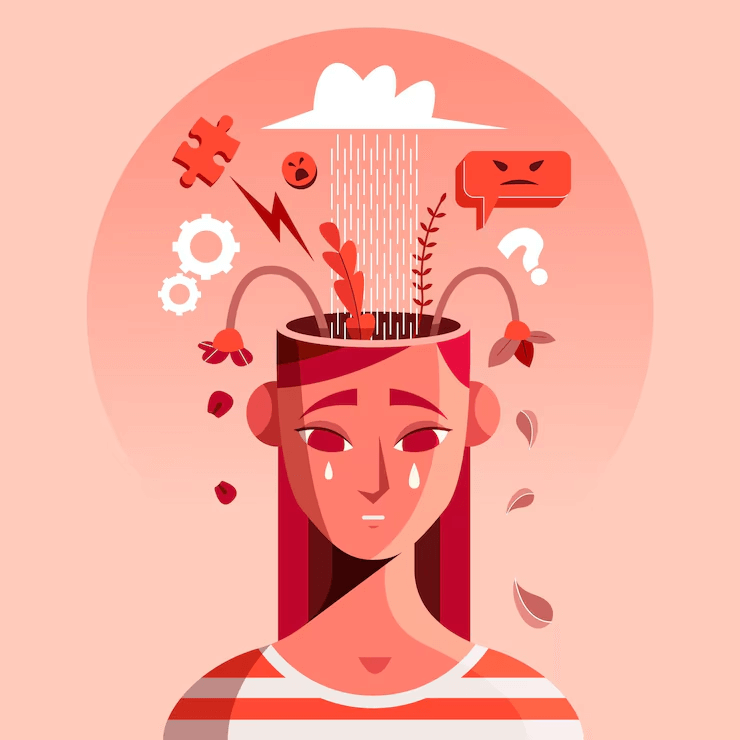
- Depression, however, is a clinical mental health disorder that affects thoughts, feelings, and behaviors, often persisting for weeks, months, or longer. It can lead to a loss of motivation, extreme fatigue, and an overall sense of hopelessness.
Hannah shared that she has major depressive disorder, which is different from simply feeling down. She emphasized that even amid success, depression can persist, challenging the misconception that external achievements automatically lead to happiness.
Mental Health and Success: Why Depression Doesn’t Discriminate
Hannah’s career skyrocketed when her viral series My Drunk Kitchen gained massive popularity, leading to book deals, television appearances, and a loyal fan base. Despite this, she has grappled with depression throughout her life.
“Some of the most successful people I’ve met are deeply depressed,” she said, highlighting that mental illness does not discriminate based on professional accomplishments.
Success, while fulfilling, does not necessarily “cure” underlying mental health challenges. She described her ongoing work to restructure her life in a way that acknowledges and manages her depression, rather than letting it define her.
Finding Support: The Importance of Therapy and Self-Awareness
A crucial takeaway from the discussion was the role of therapy and self-reflection in managing mental health. Hannah emphasized the need for professional help but also the importance of being selective in finding the right therapist.
Maria echoed this sentiment by sharing how Eye Movement Desensitization and Reprocessing (EMDR) therapy dramatically helped a friend struggling with severe depression. EMDR, a psychotherapy treatment designed to alleviate distress associated with traumatic memories, has been gaining recognition for its effectiveness.
Hannah noted that while EMDR and other therapies can be life-changing, finding the right practitioner is essential. “It’s like anesthesiology—you really need to know what you’re doing,” she cautioned, underscoring the importance of qualified professionals.
Celebrating Life Amid Challenges
Despite dealing with depression, Hannah has found ways to embrace joy, particularly in celebrations and small victories. Having grown up in a Jehovah’s Witness household where holidays were not observed, she initially struggled with understanding how to celebrate milestones. Over time, she learned to be present in the moment and allow herself to enjoy life’s good moments, even amid personal struggles.
Maria echoed this idea, referencing the teachings of Esther Hicks, who encourages people to focus on what feels satisfying and build upon it—a mindset shift that can help counteract depression.
Authenticity in Mental Health Conversations
One of the most powerful aspects of Hannah’s approach to mental health is her commitment to authenticity. She acknowledged that while she shares her experiences publicly, she is mindful about what and when she shares—ensuring that she has fully processed her emotions before bringing them to her audience.
In a world where social media often portrays a curated version of reality, Hannah’s honesty about her struggles is a refreshing reminder that even those who seem to “have it all” can face mental health challenges.
Final Thoughts: The Importance of Community and Self-Care
At the end of the episode, Maria reinforced a key message: we are better together. By having open and honest conversations about mental health, we can reduce stigma, provide support, and remind each other that no one has to go through their struggles alone.
If you or someone you love is struggling with depression, know that help is available. Therapy, self-reflection, and supportive communities can all play a role in healing. And most importantly, remember that mental health is a journey, not a destination.
For more healing insights from Hannah Hart and others, subscribe to Heal Squad with Maria Menounos on Youtube and Apple Podcasts