The Empath’s Guide to Thriving with Dr. Judith Orloff
What Is an Empath and How Can You Protect Your Energy?
Do you ever walk into a room and suddenly feel drained? Do you find yourself absorbing other people’s emotions, even when you don’t mean to? You might be an empath, and Dr. Judith Orloff, psychiatrist and bestselling author of The Empath’s Survival Guide, joined Heal Squad with Maria Menounos to help us understand what it means to be highly sensitive and how to protect ourselves from emotional vampires and toxic energy.
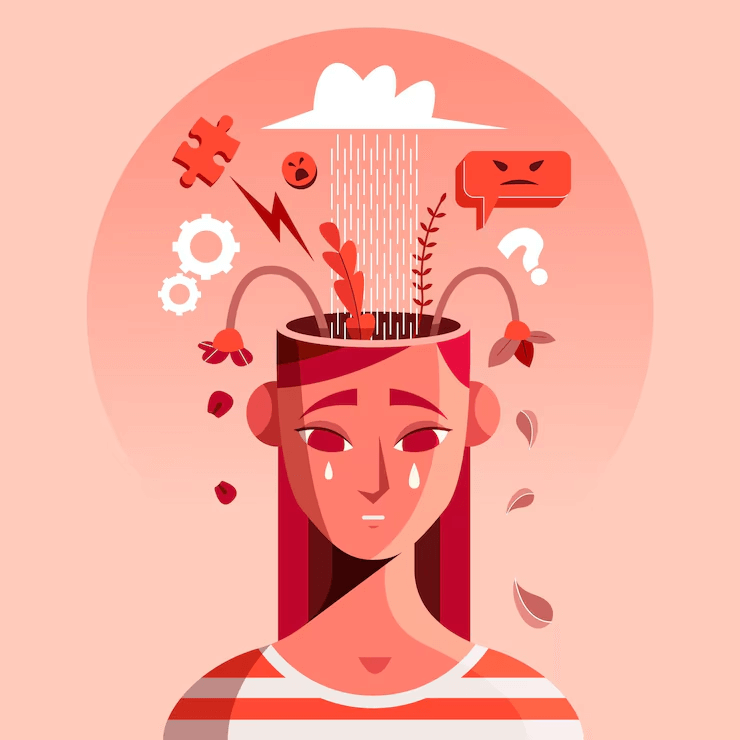
Empaths are more than just “sensitive people.” They act like emotional sponges, absorbing the energies, emotions, and even physical symptoms of those around them. Unfortunately, without the right tools, this can lead to chronic exhaustion, anxiety, and even illness.
Understanding the Empathic Experience
Dr. Orloff, a psychiatrist and empath herself, explained that many empaths don’t realize the impact of their surroundings until they feel overwhelmed. “Oftentimes, people don’t realize they’re empaths and they walk around with symptoms that aren’t their own,” she says.
Empaths are often labeled as “too sensitive” by parents, teachers, or peers, making them feel like there’s something wrong with them. However, as Dr. Orloff emphasizes, sensitivity is a gift—one that requires self-care and boundary setting to truly thrive.
The Signs You Might Be an Empath
Not sure if you’re an empath? Dr. Orloff outlines some common traits:
- You feel deeply affected by other people’s emotions.
- You find large crowds and noisy environments overwhelming.
- You need alone time to recharge.
- You prefer deep conversations over small talk.
- You physically feel other people’s pain or discomfort.
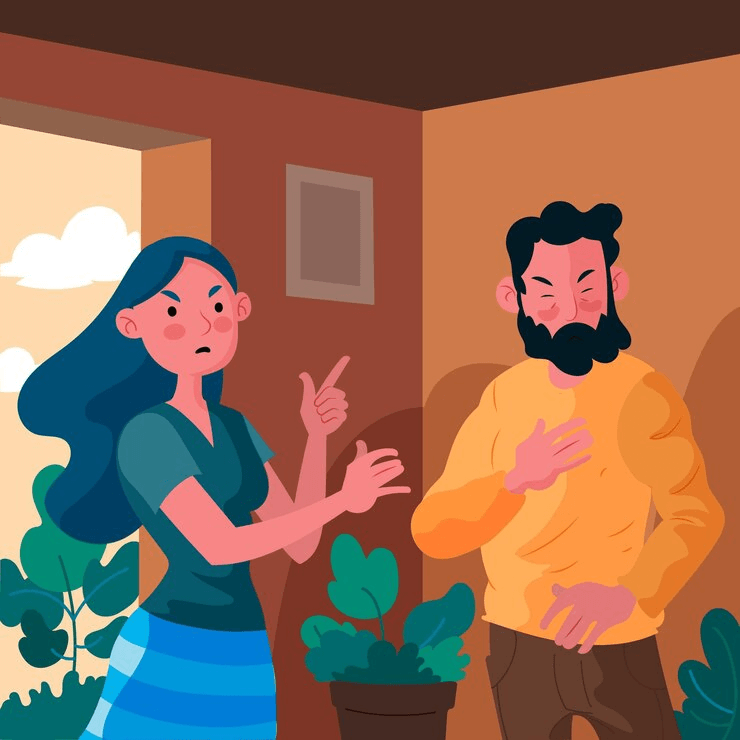
- You attract emotionally needy or toxic people (a.k.a. energy vampires).
If any of these resonate, you’re likely an empath—and it’s time to start protecting your energy.
How to Shield Yourself from Toxic Energy
One of the biggest challenges for empaths is dealing with energy vampires—people who unknowingly (or sometimes knowingly) drain others’ emotional reserves. Dr. Orloff recommends the following strategies to protect yourself:
- Set Boundaries: Learn to say “no” without guilt. You don’t have to explain yourself.
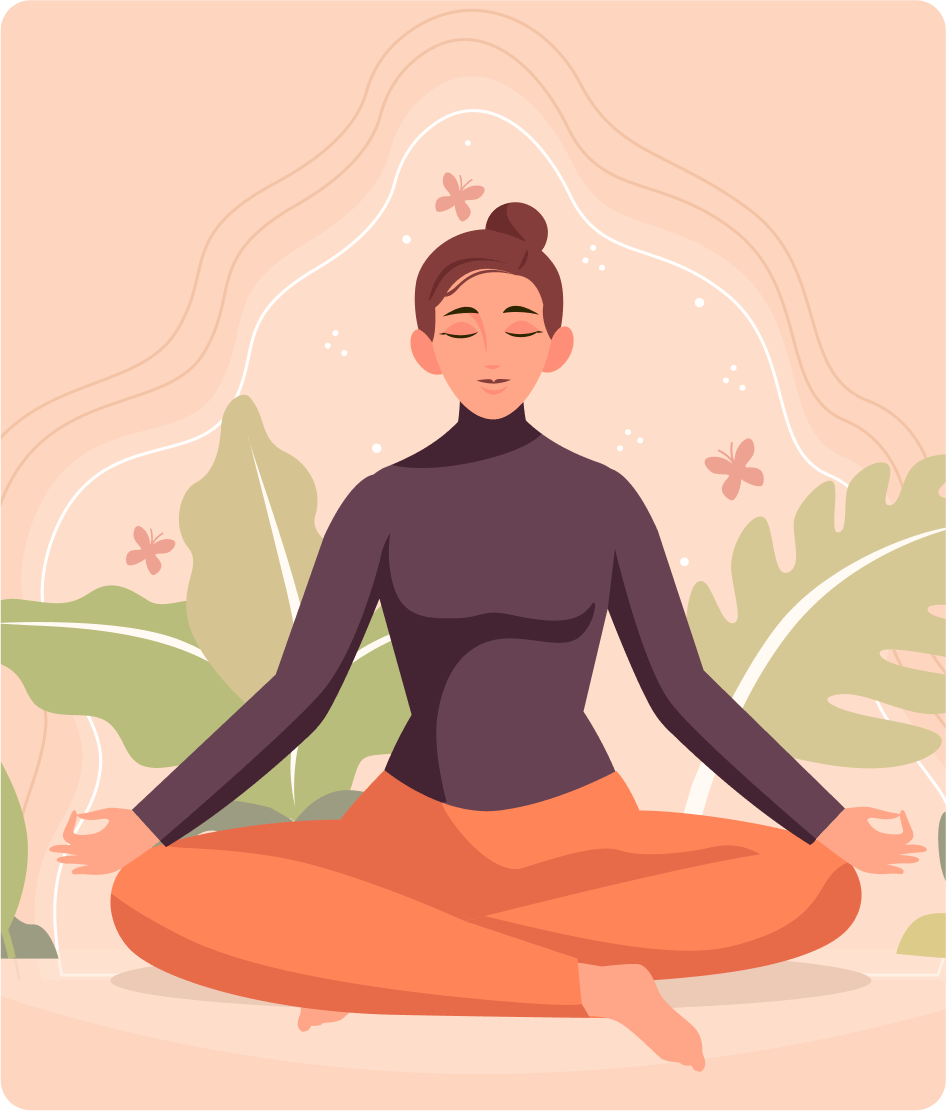
- Use the Shielding Technique: Imagine a protective bubble around you, keeping out negativity.
- Limit Exposure: If someone leaves you feeling exhausted, reduce your time around them.
- Take Solo Breaks: Make alone time a daily practice to reset your emotional energy.
- Practice Grounding: Spend time in nature, meditate, or take salt baths to release absorbed energy.
- Trust Your Gut: If a person or situation feels off, honor that instinct and step away.
The Link Between Empaths and Illness
Did you know that certain illnesses are more common in empaths? Dr. Orloff explains that chronic fatigue, autoimmune diseases (like Hashimoto’s and Crohn’s), anxiety, and depression are frequently seen in highly sensitive individuals. The reason? Empaths tend to carry emotional burdens that aren’t theirs, leading to stress-related illnesses. Learning to protect your energy can make a world of difference in your health.
Navigating Relationships as an Empath
Empaths often struggle in relationships, especially when paired with narcissists or energy-draining individuals. Dr. Orloff warns about “wound-mate relationships,” where partners bond over unresolved trauma rather than genuine connection. Instead, she encourages empaths to seek partners who respect their need for space and emotional recovery.
Interestingly, Dr. Orloff notes that some empaths benefit from sleeping in separate bedrooms from their partners to maintain their energetic balance. “It’s not about love—it’s about self-care,” she explains. A well-rested empath is a happier, healthier partner.
Becoming Soul-Aware
One of the most powerful takeaways from Dr. Orloff’s interview is the concept of “soul awareness.” Empaths often struggle to differentiate their own emotions from those they absorb. Taking time each day to check in—through meditation, journaling, or quiet reflection—can help empaths reconnect with their true selves.
Dr. Orloff suggests tracking how you feel before and after interactions to see how certain people or environments impact you. If you notice a significant energy drop, it’s time to rethink who and what you give your energy to.
Final Thoughts: Empowerment for Empaths
The biggest takeaway from Dr. Orloff’s wisdom? Being an empath is a gift, not a burden—if you learn how to manage it properly. By setting boundaries, practicing energetic protection, and prioritizing self-care, you can transform your sensitivity into your greatest strength.
For more healing and wellness tips, be sure to subscribe to Heal Squad with Maria Menounos via YouTube or Apple Podcasts.