In a world driven by hustle and constant activity, the mind-body connection often goes overlooked. Yet, understanding the deep links between our emotions and physical health is essential for overall well-being. In a recent episode of Heal Squad with Maria Menounos, Maria sat down with Jared Tavasolian, a seasoned trainer, health coach, and nutrition expert, to discuss his unique approach to healing through full-body reflexology and nervous system regulation.
The Power of Reflexology and Emotional Health: Jared has spent over 20 years helping clients optimize their health, and one of his core modalities is full-body reflexology, an innovative approach that addresses the whole body, not just the feet. Reflexology is often understood as a practice applied solely to the feet, but Jared explained how he uses it on the entire body to balance organ systems and promote healing. Each point on the body reflects specific organs and emotional stressors, creating an inside-out approach to health. When Maria first experienced this treatment, she was amazed by the immediate results and the unexpected relief from the painful points Jared worked on.
“When Jared worked on certain points that were initially painful, they became painless by the end of the session,” Maria said. “It was amazing to feel such a shift so quickly.”
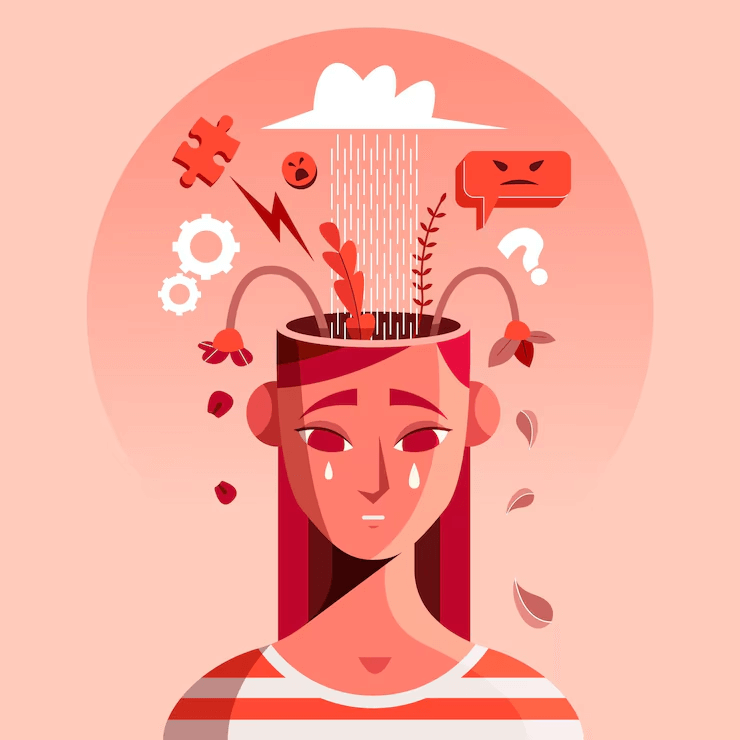
The Emotional and Physical Body Connection: One of the most profound concepts Jared shared is the connection between emotions and organ systems, a principle rooted in Chinese medicine. Each organ not only has a physical function but also stores emotional energy. For example, the large intestine holds emotions tied to grief, guilt, and the fear of letting go. The liver is associated with anger, while the stomach is linked to anxiety.
“Our bodies can’t distinguish between internal and external stress,” Jared explained. “A physical imbalance in an organ might reflect an emotional imbalance as well.”
For many of us, this idea is revolutionary. Rather than simply treating symptoms with supplements or medication, Jared encourages looking deeper into the emotional causes of our physical ailments. When we understand how emotions like fear, resentment, or worry manifest in the body, we can take steps to address them holistically.
Rest and Digest vs. Fight or Flight: Jared also emphasized the importance of the nervous system in overall health, particularly the balance between the parasympathetic (rest and digest) and sympathetic (fight or flight) systems. Our bodies are designed to spend the majority of time in a calm, healing state, but modern lifestyles often push us into fight or flight mode for extended periods. This prolonged stress response can wreak havoc on digestion, sleep, and mental well-being.
Jared noted, “People need permission to slow down. We’re constantly told to hustle, but rest is where healing happens.”
To help his clients reconnect with their bodies, Jared advocates for mindfulness and daily check-ins. He shared a simple but powerful mantra: “What do you need today?” By tuning into the body’s needs in the moment—whether it’s rest, nourishment, or a breath of fresh air—we can cultivate a more balanced and peaceful state of being.
Understanding Health on Your Own Terms: Jared challenged the conventional notion of health as purely physical. He pointed out that many people who appear fit on the outside may still struggle with internal imbalances. Health, as Jared and Maria discussed, is much more than just physical appearance; it’s about feeling good, having energy, and maintaining a healthy emotional state.
Jared shared some of his markers for true health: good digestion, radiant skin, restful sleep, and a sense of happiness and purpose. These are qualities that cannot be measured by outward appearance alone, but they are essential indicators of genuine well-being.
Final Thoughts: Tailoring Health to Fit Your Life: The conversation between Jared and Maria highlighted the importance of defining health and happiness on your own terms. Everyone’s path to wellness is unique, and what works for one person may not work for another. By reconnecting with your own body, paying attention to emotional and physical needs, and slowing down when necessary, you can find balance in a busy world.
As Jared so aptly put it, “We can’t heal the world, but we can heal ourselves, and by doing that, we can become brighter lights for others.”