Why Some People Feel Drained by Crowds, Noise and Other People — And What Can Help
A crowded room leaves you exhausted.
Someone spends an hour complaining to you, and afterward you feel as though you’ve run a marathon.
Bright lights, loud noises and busy environments become overwhelming faster than they seem to for everyone else.
You love people—but sometimes you desperately need to get away from them.
Psychiatrist and The Empath’s Survival Guide author Dr. Judith Orloff describes people who experience the world this way as empaths—highly sensitive people who, in her view, are particularly affected by the emotions, energy and even physical experiences of those around them.
Orloff describes empaths as “emotional sponges,” and while some of her ideas about literally absorbing another person’s physical symptoms extend beyond established medical evidence, the larger experience she describes will be recognizable to many people: too much stimulation can leave you feeling physically and emotionally depleted.
Her prescription starts with something many busy people rarely give themselves permission to do.
Stop.
Get quiet.
And give your nervous system a chance to come down.
You Can Love People and Still Need Time Away From Them
Needing solitude doesn’t necessarily mean you’re antisocial.
Orloff distinguishes between introverted and extroverted empaths. An introverted empath may prefer one-on-one interactions or small groups and feel particularly drained by large gatherings. An extroverted empath may genuinely enjoy people, conversation and social events.
But Orloff says both can need time alone afterward to decompress.
That’s an important distinction for people who have always thought:
I’m outgoing. Why does this exhaust me?
Enjoying an experience and being depleted by it aren’t mutually exclusive.
You can love the party and still need silence afterward.
You can enjoy your coworkers and still need to close the office door.
You can adore your family and still need time when nobody is talking to you.
Solitude isn’t necessarily rejection.
Sometimes it’s recovery.
What Sensory Overload Can Feel Like
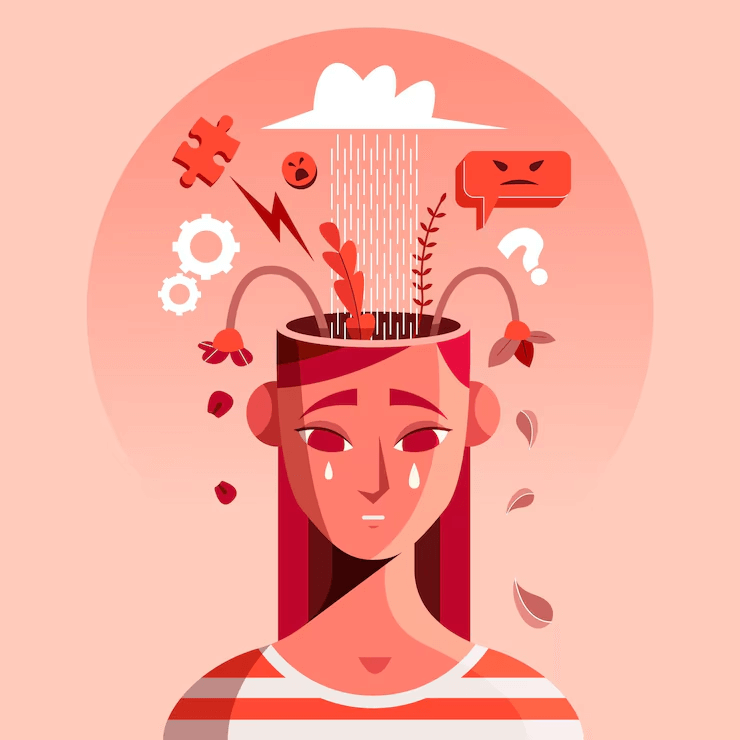
Orloff describes sensory overload as reaching a point where too much is coming at you too quickly.
Lights.
Sounds.
People.
Opinions.
Anger.
Emotions.
Activity.
For someone particularly sensitive to stimulation, she says, eventually it can all become too much.
And once you’re in that state, your thinking may change too.
Problems can suddenly feel impossible.
You may think:
I can’t do this.
I can’t handle that.
Everything is too much.
Orloff cautions against making important decisions from that overwhelmed state. Her recommendation is to reduce the stimulation first.
For her, that means retreating to a quiet meditation space, limiting conversation, darkening the room and giving herself time to settle.
The takeaway is practical even if you don’t identify as an empath:
When you’re overwhelmed, your first task may not be solving the problem. It may be lowering the stimulation enough to think clearly again.
Alone Time Can Be Part of Self-Care
There’s a tendency to treat alone time as something we earn after everything else is finished.
But everything else is rarely finished.
Orloff argues that for highly sensitive people, decompression needs to become part of the schedule—not something squeezed in only after exhaustion sets in.
“You just can’t keep going, going, going,” she says.
That can be especially challenging in demanding jobs where the expectation is to move continuously from meeting to call to event to obligation.
Orloff’s solution doesn’t have to mean disappearing for an entire day.
It can mean creating small periods with less input.
No conversation.
No crowd.
Less noise.
Lower lights.
A closed door.
A walk alone.
A few minutes without someone needing something from you.
Orloff even uses a “Do Not Disturb” sign at home when she needs solitude so the people around her understand that her withdrawal isn’t personal.
Sometimes a boundary works better when the people around you understand what it’s for.
Emotional Overload Can Come From People, Too
Not all overstimulation is physical.
Sometimes it’s another person’s problems.
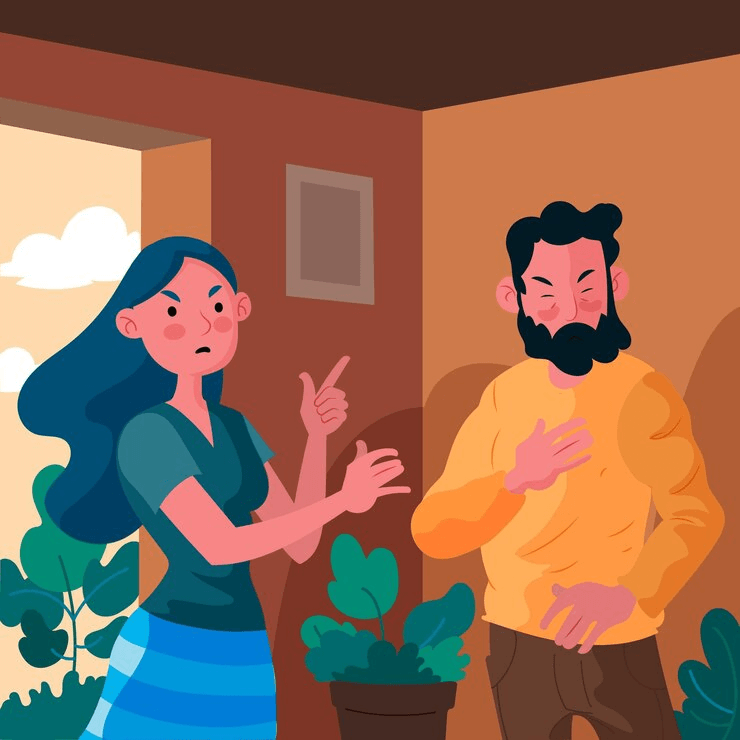
Orloff describes what she calls an “emotional dumper”—someone who unloads their frustrations, complaints or problems onto another person without recognizing the toll the interaction may be taking.
Being supportive is one thing.
Becoming someone else’s emotional dumping ground is another.
For highly sensitive people, Orloff says prolonged exposure to these conversations can lead to what she calls an “emotional hangover”—feeling depleted after absorbing someone else’s distress.
The difficult part is that sensitive people may also be very good listeners.
People trust them.
They open up to them.
And saying I can’t take any more right now can feel uncaring.
But Orloff argues that protecting your own capacity isn’t the same as lacking compassion.
Boundaries Don’t Have to Be Mean
Setting a boundary doesn’t require telling someone:
You’re exhausting. Go away.
Tone matters.
Orloff emphasizes being clear without becoming cruel or uncaring.
That might mean saying you only have a few minutes to talk.
Changing the subject.
Physically moving away from a stressful interaction when possible.
Not answering every call immediately.
Creating protected alone time.
Or simply recognizing that you don’t have the capacity for a particular conversation right now.
Boundaries can feel uncomfortable when you’re accustomed to being available to everyone.
But without them, resentment and exhaustion can eventually make genuine connection harder.
A healthy boundary isn’t necessarily about caring less. It can help you remain capable of caring at all.
Be Careful About the Energy You’re Giving Others, Too
One of the more useful parts of Orloff’s conversation turns the idea around.
It’s easy to identify the people who drain us.
It’s harder to ask whether we sometimes drain other people.
The person who listens to everyone else’s problems can still become the person who unloads too much when they’re suffering.
Orloff encourages accountability for what we bring into relationships and openness to feedback when we’re becoming overly negative, self-absorbed or consumed by our own problems.
That’s an important check on the entire idea of protecting your energy.
The goal isn’t to divide the world into sensitive people and “toxic” people.
It’s to become more conscious of the emotional exchange happening in both directions.
Ask:
Do I feel heard in this relationship?
But also:
Do I listen?
Do I ask before unloading something heavy?
Does every conversation become about my problems?
What does the other person feel after spending time with me?
Boundaries work both ways.
Track How You Feel Before and After Interactions
Orloff offers a practical way to begin understanding which environments and relationships affect you most.
Track yourself.
Before interacting with someone, notice how you feel.
Then notice whether anything changes while you’re with them.
Do you suddenly become tired?
More anxious?
Happier?
Tense?
Do you develop a headache or stomach discomfort?
Then check in again after you leave.
Orloff says she uses this before-during-after comparison to distinguish her own state from what she believes she may be absorbing from someone else.
You don’t have to accept the idea that you’re literally absorbing another person’s symptoms for the exercise to be useful.
You’re gathering information.
Maybe a particular environment consistently overwhelms you.
Maybe certain conversations leave you tense.
Maybe another person reliably makes you feel calmer.
Maybe you discover that the problem isn’t the people at all—it’s the noise, crowding or lack of downtime.
Tracking creates the opportunity to notice patterns rather than simply arriving home exhausted and wondering what happened.
Sensitivity Doesn’t Have to Be a Weakness
Being called “too sensitive” is rarely intended as a compliment.
Orloff wants to change that.
“Sensitivity is a gift,” she says.
Sensitive people may notice things others miss.
They may be highly attuned to other people’s feelings.
They may listen deeply.
They may notice subtle changes in a room or relationship.
But a strength without boundaries can become exhausting.
The goal, then, isn’t necessarily to become less sensitive.
It’s to understand what your sensitivity requires from you.
Maybe you can’t move from one high-stimulation environment to another all day without consequences.
Maybe you need more quiet than someone else.
Maybe a packed gym isn’t the best environment for you.
Maybe large gatherings require recovery time.
There’s nothing particularly useful about forcing yourself into environments that repeatedly overwhelm you simply because you think you should be able to tolerate them.
Physical Symptoms Still Deserve Medical Attention
Orloff also discusses what she calls “empathic illness”—physical symptoms she believes an empath may absorb from another person—and expresses concern that some sensitive people may be unnecessarily pathologized or medicated.
That is one area where her claims should be approached cautiously.
Feeling stressed or overwhelmed around someone can certainly be a reason to examine the interaction. But new, persistent, severe or unexplained physical or mental-health symptoms shouldn’t automatically be attributed to another person’s emotions or “energy.”
They deserve appropriate evaluation by a qualified healthcare professional.
You can examine how an environment affects you and investigate a medical symptom.
Those aren’t mutually exclusive.
What to Do When Everything Feels Like Too Much
If you’ve reached the point where every sound is irritating, every request feels impossible and one more conversation seems like more than you can handle, you may not need to push harder.
Reduce the input.
Find somewhere quieter.
Step away from the conversation if you can.
Give yourself a little physical space.
Lower the stimulation.
And postpone unnecessary decisions until you’ve had an opportunity to settle.
Orloff’s larger message is that highly sensitive people can learn to work with their sensitivity rather than constantly fighting it.
That begins by recognizing your limits before you blow past them.
Your Move
For the next few days, pay attention to your energy around people and environments.
Before you enter a busy situation, ask:
How do I feel right now?
Check again while you’re there.
Then check after you leave.
Notice the patterns.
Maybe you discover that large crowds drain you.
Maybe certain conversations do.
Maybe noise affects you more than you realized.
Maybe you simply need more recovery time between obligations.
Then give yourself permission to respond to what you’ve learned.
Because being sensitive doesn’t necessarily mean you need to toughen up.
Sometimes it means you need to become better at recognizing when you’ve had enough.